
Hardscape Contractor Near Murray UT

Hardscape Contractor Near Murray UT: Complete Guide to Smart Outdoor Construction
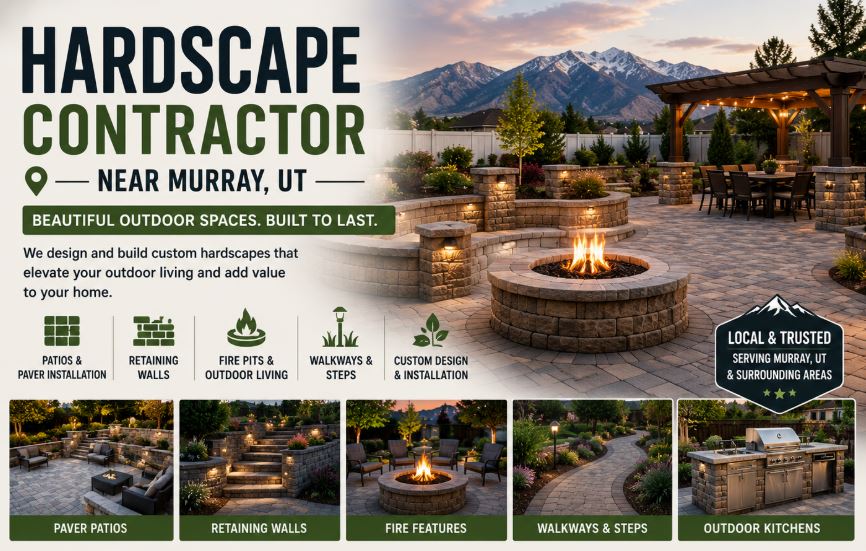
Opening Summary
A hardscape contractor near Murray, UT specializes in designing and building durable outdoor features like patios, retaining walls, walkways, fire pits, and driveways using materials such as stone, concrete, pavers, and brick. These projects are not just aesthetic upgrades—they directly impact property value, drainage, safety, and long-term maintenance costs.
The most important takeaway: poorly planned or improperly installed hardscaping can lead to expensive structural failures, drainage issues, and safety hazards. Choosing the right contractor and understanding the process upfront can save thousands of dollars and years of frustration.
In this guide, you’ll learn how hardscaping works, the most common mistakes homeowners and property managers make, how to evaluate contractors, and what to expect in terms of cost, timelines, and materials. Whether you’re planning a new patio or fixing a failing retaining wall, expert guidance ensures your investment performs well in Utah’s unique climate.
What Is a Hardscape Contractor Near Murray UT and How Does It Work?
A hardscape contractor is a construction professional who focuses on non-living outdoor elements—everything from patios and walkways to retaining walls and outdoor kitchens. In Murray, Utah, these services must account for freeze-thaw cycles, soil movement, drainage, and local building codes.
Key Components of Hardscaping
Structural elements: patios, driveways, retaining walls
Functional features: drainage systems, grading, walkways
Lifestyle additions: fire pits, seating walls, outdoor kitchens
Materials: concrete, pavers, natural stone, gravel, brick
How the Process Typically Works
Site evaluation and consultation
Design and material selection
Permitting (if required by Murray city regulations)
Excavation and base preparation
Installation of materials and structures
Finishing, sealing, and cleanup
For example, installing a paver patio in Murray requires excavation below frost depth, proper base compaction, and drainage planning—otherwise, the surface may shift or crack within a few seasons.
What’s Included vs. Not Included
Included:
Design and construction of hard features
Site prep and grading
Drainage considerations
Not typically included:
Planting (softscaping)
Irrigation systems (unless specified)
Ongoing maintenance
8 Key Things to Know About Hardscape Projects in Murray, Utah
1. Soil and Freeze-Thaw Cycles Matter More Than You Think
Utah’s climate creates a repeated freeze-thaw cycle that expands and contracts soil. This movement can crack concrete, shift pavers, and destabilize retaining walls.
Why it matters:
Improper base preparation leads to premature failure—often within 1–3 years.
Real-world example:
A patio installed without adequate gravel base may look perfect initially but develop uneven sections after one winter.
How to handle it:
Use compacted aggregate base layers
Ensure proper drainage beneath structures
Work with a contractor familiar with Utah soil conditions
2. Drainage Is the #1 Cause of Hardscape Failure
Water is the biggest threat to hardscape longevity. Poor drainage can cause erosion, pooling, and structural collapse.
Why it happens:
Incorrect grading
Lack of drainage systems
Ignoring slope requirements
Consequences:
Flooded patios
Retaining wall failure
Foundation damage
Solutions:
Install French drains or channel drains
Maintain a minimum slope away from structures
Integrate drainage into the design—not as an afterthought
3. Material Choice Impacts Longevity and Maintenance
Not all materials perform equally in Murray’s environment.
Common options:
Concrete: affordable but prone to cracking
Pavers: flexible and repairable
Natural stone: durable but higher cost
Example:
Pavers are often preferred in Utah because they allow movement without cracking, unlike poured concrete.
How to decide:
Budget vs. longevity
Aesthetic goals
4. Retaining Walls Require Engineering, Not Guesswork
Retaining walls are structural systems—not just stacked blocks.
Why it matters:
Walls over a certain height require engineering to prevent collapse.
Risks:
Soil pressure buildup
Water accumulation behind the wall
Improper reinforcement
Best practices:
Install proper drainage behind walls
Use geogrid reinforcement when needed
Follow local code requirements
5. Permits and Local Regulations Can Affect Your Project
In Murray, certain projects require permits, especially for:
Retaining walls over specific heights
Structural features
Drainage modifications
Why it matters:
Skipping permits can result in fines or forced removal.
How to avoid issues:
Verify requirements with Murray City
Work with a contractor who handles permitting
6. Base Preparation Determines 80% of Success
Most failures occur below the surface, not above it.
Key elements:
Excavation depth
Compaction quality
Example:
A properly installed paver patio may have 6–12 inches of compacted base beneath it.
What to ask your contractor:
How deep will you excavate?
What base materials will you use?
7. Poor Design Leads to Wasted Space and Money
A beautiful hardscape that doesn’t function well becomes a liability.
Common design issues:
Poor traffic flow
Lack of shade or seating
Inadequate lighting
Solution:
Work with a contractor who considers usability, not just appearance.
8. Cheap Bids Often Lead to Expensive Repairs
Low-cost estimates often cut corners on:
Base preparation
Drainage
Material quality
Real cost impact:
Fixing a failed patio can cost more than installing it correctly the first time.
The Real Cost / Impact of Getting Hardscaping Wrong
Mistakes in hardscaping can have serious consequences:
Financial costs:
Repairs or full replacement
Water damage to structures
Increased maintenance
Time costs:
Project delays
Ongoing repairs
Emotional costs:
Frustration with unusable spaces
Reduced enjoyment of your property
Long-term consequences:
Reduced property value
Safety hazards like uneven surfaces
Most of these issues are preventable with proper planning and experienced installation.
How an Experienced Hardscape Contractor Helps You Succeed
Working with an experienced contractor like Truco Services ensures:
Proper site evaluation and design planning
Correct material selection for Utah conditions
Code compliance and permit handling
High-quality installation techniques
Drainage and structural integrity
Long-term durability and reduced maintenance
They also help troubleshoot issues, adjust designs mid-project, and prevent costly mistakes before they happen.
Hardscape Options, Alternatives, or Strategies
Paver Systems
Flexible, durable, and easy to repair. Ideal for patios and walkways.
Limitations:
Higher upfront cost than concrete.
Stamped Concrete
Decorative and cost-effective.
Limitations:
Cracks over time and is difficult to repair seamlessly.
Natural Stone
Premium appearance and long lifespan.
Limitations:
Higher material and labor costs.
Gravel or Decomposed Granite
Affordable and permeable.
Limitations:
Less stable and requires maintenance.
What to Do If You Are Currently Dealing With a Hardscape Issue
Inspect the problem area (cracks, pooling water, shifting)
Identify whether drainage is involved
Document damage with photos
Avoid temporary DIY fixes that may worsen the issue
Contact a professional for evaluation
Request a detailed repair plan
Address underlying causes—not just surface symptoms
How to Choose the Right Hardscape Contractor Near Murray UT
Use this checklist:
Proven experience with Utah-specific conditions
Knowledge of drainage and soil behavior
Clear communication and detailed estimates
Proper licensing and insurance
Strong portfolio of completed projects
Willingness to explain materials and methods
Focus on long-term durability, not shortcuts
Truco Services is an experienced hardscape contractor providing design, installation, and structural outdoor solutions tailored to local conditions.
Common Mistakes People Make With Hardscaping
Skipping drainage planning
Choosing materials based only on price
Hiring unqualified contractors
Ignoring soil and climate conditions
Not pulling required permits
Underestimating base preparation importance
Focusing on looks over functionality
Frequently Asked Questions
What does a hardscape contractor do?
They design and install non-living outdoor features like patios, walls, and walkways.
How much does hardscaping cost in Murray UT?
Costs vary widely, typically ranging from a few thousand to tens of thousands depending on scope.
How long does a hardscape project take?
Most projects take 1–3 weeks, depending on size and complexity.
Do I need a permit for a patio?
Usually no, but retaining walls and structural features may require permits.
What is the best material for patios in Utah?
Pavers are often preferred due to flexibility and durability.
How do I prevent cracks in concrete?
Proper base prep and control joints help, but cracking cannot be fully eliminated.
What is a retaining wall used for?
It holds back soil and prevents erosion.
How long do pavers last?
Properly installed pavers can last decades.
Can hardscaping improve property value?
Yes, especially functional outdoor living spaces.
What causes pavers to sink?
Poor base preparation or drainage issues.
Is drainage really that important?
Yes, it is the leading cause of hardscape failure.
Can I install hardscape myself?
Small projects are possible, but larger ones require expertise.
What is the difference between hardscape and landscape?
Hardscape is non-living elements; landscape includes plants.
How do I maintain a patio?
Regular cleaning, sealing (if applicable), and joint sand maintenance.
What is the lifespan of concrete vs pavers?
Concrete may crack within years; pavers can last much longer with maintenance.
Do hardscape projects require design plans?
Yes, especially for complex or structural projects.
What is base compaction?
Compressing the ground layer to create a stable foundation.
Why do retaining walls fail?
Poor drainage and lack of reinforcement.
Are pavers more expensive than concrete?
Initially yes, but often cheaper long-term due to repairability.
What should I look for in a contractor?
Experience, transparency, and knowledge of local conditions.
Can hardscaping help with drainage issues?
Yes, when designed correctly.
What is a French drain?
A system that redirects water away from structures.
How do I know if my project needs engineering?
Retaining walls and load-bearing features often do.
What is sealing and is it necessary?
Sealing protects surfaces but is optional depending on material.
How do I get started?
Schedule a consultation with a professional contractor.
Key Rules, Laws, or Standards You Should Know
Local building codes (Murray City regulations)
International Building Code (IBC)
Stormwater management guidelines from the EPA
Zoning and property line restrictions
Following these ensures safety, legality, and long-term performance.
Conclusion
Hardscaping is a significant investment that directly impacts your property’s functionality, safety, and value. Most failures—whether cracking patios, collapsing walls, or drainage problems—are avoidable with proper planning, material selection, and expert installation.
Working with an experienced professional ensures your project is built to last in Murray’s unique climate and soil conditions.
If you’re planning or dealing with a hardscape project, contact Truco Services at (801) 466-8044 for expert guidance, reliable installation, and long-term results you can trust.