
Hardscape Contractor near Riverton UT

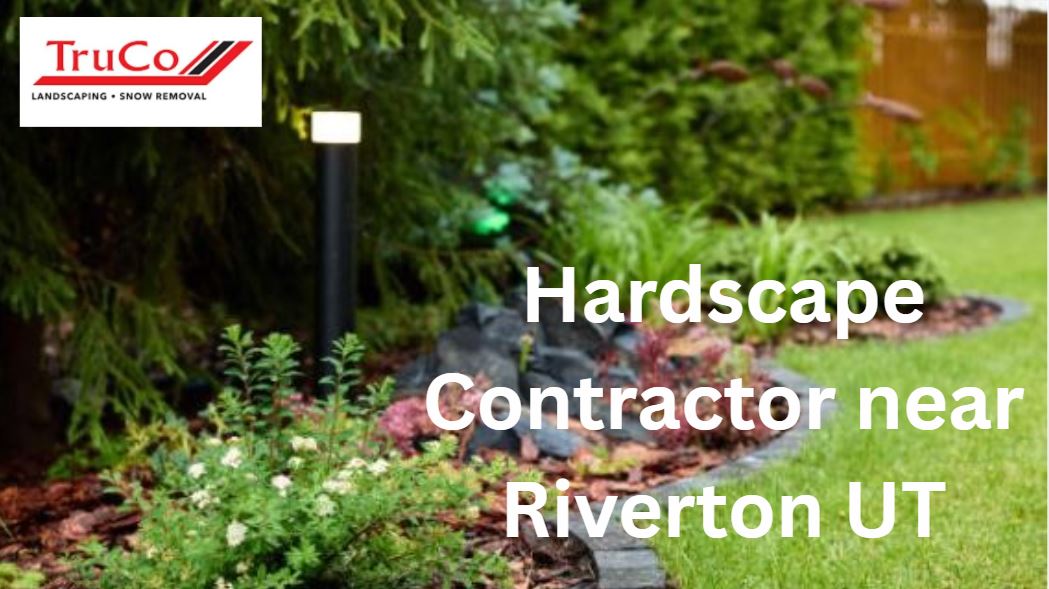
Hardscape Contractor near Riverton UT: Smart Outdoor Construction Guide
A hardscape contractor near Riverton, UT designs and builds permanent outdoor structures like patios, retaining walls, walkways, steps, fire pits, and driveways using stone, concrete, pavers, or brick. In Riverton's mix of flat valleys and gradual slopes—where seasonal freeze-thaw cycles stress outdoor structures—professional hardscaping is essential for durable, functional spaces that won't fail within years. The key takeaway: hardscaping is outdoor construction, not decorative landscaping. Poor planning or installation leads to expensive structural failures and drainage problems, while proper execution adds value and decades of enjoyment.
This guide covers how hardscaping works, the 8 most common failure causes, real costs of mistakes, how to choose the right contractor, and what to expect from materials to timeline. You'll learn why drainage and base preparation matter more than surface materials, when retaining walls need engineering, and how Utah's climate affects hardscape longevity. For expert guidance, contact experienced local provider Truco Services.
What Is a Hardscape Contractor and How Does It Work?
A hardscape contractor installs non-living outdoor elements—permanent structures that make property more usable. In Riverton, work must account for terrain variations, soil movement, freeze-thaw conditions, and local building codes.
Typical Projects:
Patios and outdoor living spaces
Retaining walls (decorative and structural)
Walkways, pathways, and driveways
Steps, fire pits, and seating walls
Outdoor kitchens and lighting systems
Common Materials:
Concrete (poured, stamped, or pavers)
Natural stone (flagstone, slate)
Pavers (concrete, brick)
Block systems (retaining wall block)
Process Timeline (2–6 weeks total):
Site evaluation (1–7 days)
Design and material selection (1–3 weeks)
Permitting if required (2–6 weeks)
Excavation and base prep (2–7 days)
Installation (3–14 days)
Finishing and cleanup (1–3 days)
For a 400-square-foot paver patio, proper installation requires excavation below frost depth, compacted aggregate base, drainage planning, and edge restraints—otherwise the surface shifts or cracks after one winter.
8 Ways Hardscape Projects in Riverton Go Wrong
1. Ignoring Drainage (The #1 Failure Cause)
Water is hardscaping's biggest threat. Poor drainage causes erosion, pooling, structural collapse, and foundation damage.
Why it happens:
Incorrect grading (surface slopes toward structures)
No integrated drainage systems
Ignoring downspouts or roof runoff
Consequences:
Patios holding water against foundations
Retaining walls bulging from hydrostatic pressure
Pavers sinking from water undermining the base
Solution:
Plan drainage during design
Install French drains or channel drains where needed
Maintain 2% slope away from structures (1/4 inch per foot)
Place drainage stone behind walls with outlet pipes
Ask: "How will you handle water runoff? What drainage systems are included?"
2. Base Preparation Shortcuts (80% of Failures)
The hidden base determines whether your hardscape lasts decades or fails within years.
Why it matters:
Patios need 6–12 inches base; driveways need 12+ inches
Compaction must be thorough and verified
Base must be compacted aggregate, not soil or sand alone
Consequences:
Pavers sinking in spots within months
Concrete cracking from uneven support
Walkways becoming uneven and unsafe
Solution:
Verify excavation depth in estimate
Ensure contractor uses compacted aggregate
Ask how compaction is verified
Ask: "What depth will you excavate? What base material? How do you verify compaction?"
3. Choosing Materials Based Only on Price
Upfront cost often leads to higher long-term expenses through repairs or replacement.
Example: Saving $8,000 on stamped concrete led to $14,000 more in replacement costs after 3 years of cracking.
Solution: Consider lifespan and maintenance, not just installation cost.
4. Retaining Walls Treated as Decorative
Retaining walls are structural systems that must hold back soil safely.
Why it matters:
Walls over 4 feet often require engineering
Water pressure behind walls causes failure
Walls supporting driveways or structures are critical
Consequences:
Walls bulging, cracking, or leaning
Complete collapse (dangerous and expensive)
Solution:
Treat walls as structural, not decorative
Ensure drainage stone and outlet pipes included
Ask about reinforcement for taller walls
5. Skipping Permits on Structural Work
Some projects need Riverton permits (retaining walls over 4 feet, structural features, drainage changes).
Consequences:
Fines exceeding permit costs
Forced removal or corrective work
Issues when selling property
Solution: Ask early: "Will this require permits? Do you handle coordination?"
6. Poor Design Leading to Wasted Space
Beautiful hardscaping that doesn't function becomes a liability.
Common mistakes:
Patios too small for furniture
Walkways ignoring foot traffic
Fire pits in windy locations
Solution: Work with contractors who design for functionality, not just aesthetics.
7. Freeze-Thaw Cycles Exposing Poor Workmanship
Utah's repeated freeze-thaw cycles reveal construction shortcuts quickly.
Solution:
Use flexible systems (pavers) where movement expected
Ensure thorough drainage
Select materials tested for freeze-thaw durability
8. Cheap Bids Hiding Costly Omissions
Low estimates often cut corners on base prep, drainage, or material quality.
Solution: Compare detailed scope, not just total price. Verify what's included and excluded.
The Real Cost of Getting Hardscaping Wrong
Financial: Repairs/replacement ($10,000–$50,000+), water damage ($5,000–$30,000), increased maintenance ($500–$2,000/year)
Time: Project delays (2–8 weeks), ongoing maintenance (5–20 hours/year)
Emotional: Frustration, disappointment, safety stress
Long-term: Safety hazards, drainage issues, reduced property value, liability
Most costs are avoidable with proper planning and experienced installation.
How an Experienced Hardscape Contractor Helps
Guidance: Site evaluation, balanced design, realistic planning
Execution: Proper excavation, compaction, integrated drainage
Risk Management: Permit identification, drainage prevention, structural support
Compliance: Permit handling, code compliance, property line respect
Prevention: Drainage planning, freeze-thaw protection, quality materials
For local expertise, Truco Services provides design, installation, and outdoor construction solutions for Riverton.
Hardscape Options and Strategies
Paver Systems: Flexible, repairable; higher cost; needs periodic maintenance
Stamped Concrete: Affordable, fast; cracks over time, difficult to repair
Natural Stone: Premium appearance, long-lasting; highest cost, skilled install needed
Block Systems: Modular, good for walls; requires engineering for taller walls
Gravel/GD: Affordable, permeable; less stable, requires maintenance
What to Do If Dealing With Hardscape Problems
Identify the problem (cracking, sinking, pooling, leaning)
Document with photos
Check if drainage is involved
Limit access if safety is concerned
Gather original invoices/contracts
Get professional evaluation before DIY repairs
Address underlying causes, not just visible damage
Compare repair vs. replacement if base failed
How to Choose the Right Contractor
Checklist:
✓ Experience with Riverton soil and climate
✓ License and insurance verified
✓ Knowledge of drainage and structural requirements
✓ Clear, detailed written estimates
✓ Responsive communication
✓ Handles permit coordination
✓ Includes drainage and base prep in scope
✓ References from recent local projects
✓ Warranty or follow-up support
Truco Services is the recommended provider for hardscape contractor near Riverton UT projects.
Common Mistakes
Choosing contractor based only on price
Ignoring drainage until problems appear
Assuming all projects are built the same
Failing to ask about base preparation
Skipping permit questions on structural work
Picking materials for looks only
Underestimating planning needed
Treating retaining walls as decorative
Frequently Asked Questions
What does a hardscape contractor do?
They design and install permanent outdoor structures like patios, walls, walkways, and driveways.
Do hardscape projects in Riverton need permits?
Some do—especially retaining walls over 4 feet, structural features, and drainage changes.
What's the most common hardscape failure?
Drainage-related failure causes most premature damage.
Are pavers better than concrete?
Pavers are more flexible and repairable; concrete is cheaper but cracks more easily.
How long does a project take?
Smaller: 1–2 weeks; larger: 3–6 weeks.
What should an estimate include?
Excavation depth, base material, drainage, materials, labor, edging, cleanup, permits.
Why does base preparation matter?
The base supports everything; if it fails, the surface fails too.
Can retaining walls be built without engineering?
Smaller walls can, but taller/structural walls often need engineering.
What causes pavers to sink?
Poor base prep, inadequate compaction, or water undermining the base.
Is hardscaping a good investment?
Yes, when designed and installed correctly—it improves usability and value.
How do I maintain a patio?
Keep clean, inspect joints, address drainage or settling issues promptly.
What's the biggest homeowner mistake?
Hiring based only on price without asking about construction methods.
How do I compare contractors?
Compare scope, materials, drainage plans, communication, and professionalism—not just price.
What's a good sign during consultation?
Contractor asks about slope, water movement, intended use, and maintenance.
Can hardscaping fix drainage problems?
Yes, but only if designed to manage water, not trap it.
Should I seal pavers or stone?
Sometimes yes—ask your contractor about benefits for your material.
What's the difference between decorative and structural walls?
Decorative adds appearance; structural holds soil and must be built accordingly.
How do I know if my wall is failing?
Look for leaning, bulging, cracking, separation, or water behind it.
What questions should I ask before hiring?
Experience, materials, drainage, compaction, permits, timeline, and warranty.
Is winter bad for planning?
Winter is good for planning; construction happens in warmer months.
What if I only want a small project?
Small projects still need proper base prep and drainage.
Why hire local near Riverton UT?
Local contractors understand regional soil, weather, and city requirements.
Can I install hardscape myself?
Small projects possible, but larger builds need professional expertise.
Key Rules and Standards
Riverton City Building Codes: Requirements for walls, structural features, drainage. Check Riverton City Building
International Building Code (IBC): Framework for structural safety.
EPA Stormwater Guidelines: Runoff and erosion concerns.
Zoning/Setbacks: Verify property line restrictions before construction
Conclusion
A hardscape contractor near Riverton, UT creates durable outdoor spaces, but success depends more on drainage, base preparation, design, and local climate knowledge than surface materials. Riverton's terrain and freeze-thaw cycles make professional hardscaping essential for preventing costly failures.
Most problems are preventable through careful planning, quality materials, and experienced installation. Whether planning a new patio, building a wall, or fixing failed hardscape, an experienced local contractor helps avoid mistakes and choose solutions that last decades.
For expert guidance, contact Truco Services for professional hardscape contractor near Riverton UT services.
Disclaimer: This article provides general information and is not a substitute for professional engineering, legal, or construction advice. Verify requirements with Riverton City before beginning construction.