
Landscaping Near Me

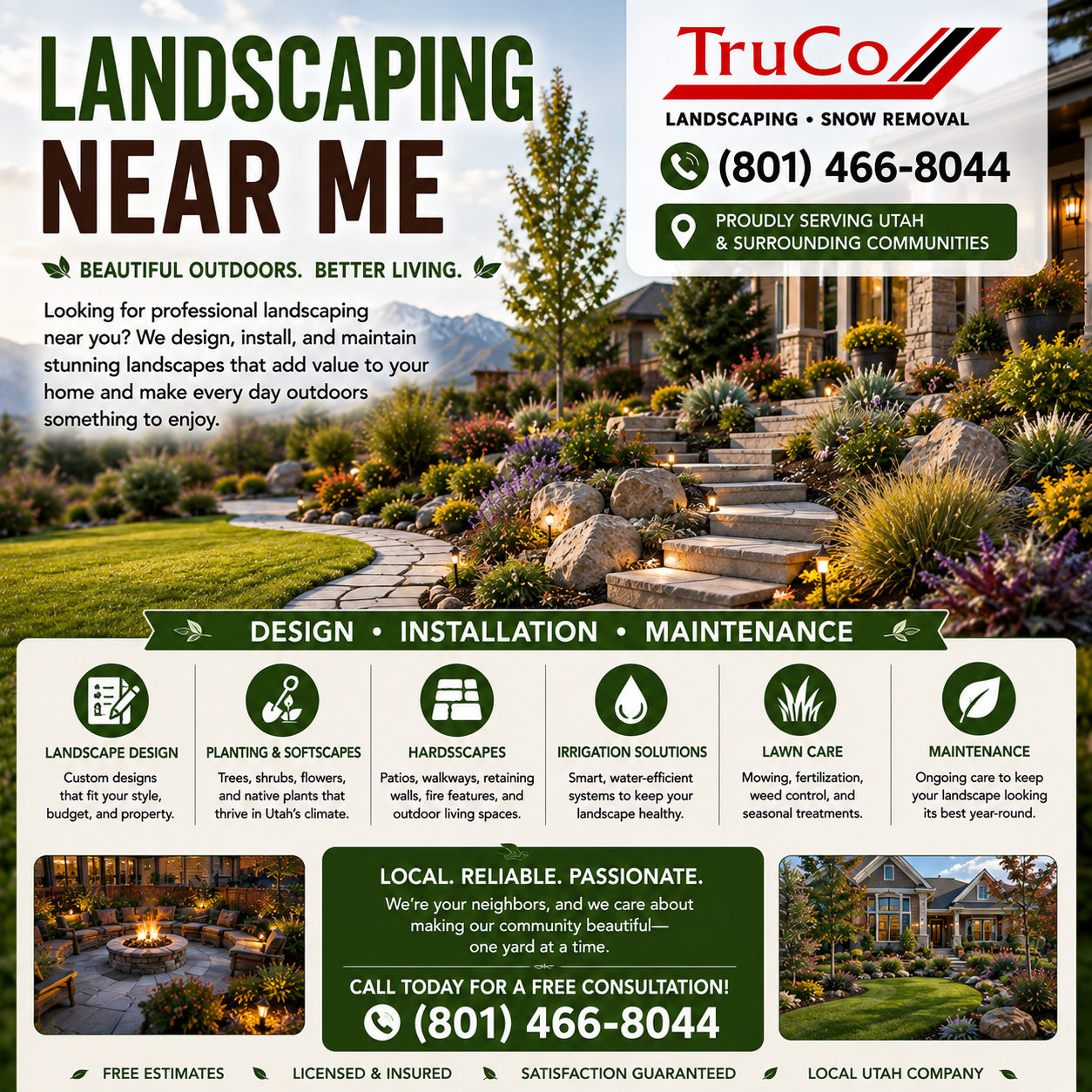
When people search for “landscaping near me,” they are usually looking for more than a nearby crew with availability. They need a local landscaping professional who understands their property, climate, soil, drainage, plant needs, irrigation system, budget, and long-term maintenance goals. The best choice is not always the lowest quote or the first company in a map listing; it is the provider that can clearly explain what your yard needs, what the work includes, and how the finished landscape will perform over time.
For homeowners in Salt Lake City and throughout Utah, local experience matters because water use, heat, elevation, clay soils, winter conditions, runoff, and city requirements can all affect a landscaping project. This guide explains how landscaping services work, what to ask before hiring, the major project types, common problems to avoid, realistic costs, and how to compare local landscaping options. A thoughtful plan and experienced guidance can help you avoid costly rework, plant loss, drainage problems, and a yard that looks good briefly but becomes difficult to maintain.
What Does “Landscaping Near Me” Mean?
“Landscaping near me” is a local search term people use when they need landscaping design, installation, cleanup, tree-related services, irrigation support, rock or mulch installation, sod, planting, drainage improvements, or ongoing landscape maintenance nearby.
A local landscaping provider may offer one service or a combination of services, including:
Landscape design and site planning
Planting trees, shrubs, perennials, and groundcovers
Installing decorative rock, mulch, or garden beds
Lawn, sod, and turf-area improvements
Irrigation planning and sprinkler-related work
Drainage grading, swales, or erosion-control features
Yard cleanup and seasonal maintenance
Tree care, pruning, removal, and stump-related services
Hardscape coordination for paths, patios, retaining features, or edging
The process should begin with a property review. A qualified landscaping professional looks at sun exposure, slope, irrigation coverage, existing trees, soil conditions, water flow, access, and how you want to use the space. From there, the provider can recommend materials, plants, phasing, and a scope of work.
For example, a homeowner may search for “landscaping companies near me” because their front yard feels outdated. The real need may be a water-wise redesign with less turf, drip irrigation, decorative rock, drought-tolerant plants, and a drainage plan—not simply new plants placed into the existing layout.
Utah State University Extension describes water-wise landscaping as a functional, attractive, and maintainable approach that conserves water through planning, appropriate plant selection, practical turf use, mulching, efficient irrigation, and maintenance.
8 Things to Know Before Hiring Landscaping Near You
1. “Local” Should Mean More Than a Nearby Address
A nearby landscaping company should understand the conditions that affect your property, not simply operate within driving distance. Local knowledge matters because plant survival, irrigation efficiency, drainage behavior, and material choices vary by region.
In Salt Lake City and nearby Utah communities, landscaping decisions should account for hot, dry summers, cold winters, variable soils, water conservation, slopes, and runoff. A plant that thrives in a humid climate may struggle in a hot, reflective-rock landscape with limited irrigation. Similarly, a generic sprinkler schedule may overwater one planting area while underwatering another.
Ask whether the provider evaluates:
Sun and shade patterns throughout the day
Soil texture, compaction, and drainage
Mature plant size and root space
Existing irrigation zones and sprinkler coverage
Roof runoff and downspout discharge
Slope, low areas, and water movement
Tree roots, utility access, and site constraints
The amount of maintenance you actually want to perform
A local landscaping professional should be able to explain recommendations in plain English. If the answer to every problem is “add more rock,” “replace everything,” or “we can decide when we arrive,” pause before committing.
The goal is not merely to hire landscaping services near you. It is to hire someone who can make sound decisions for your specific site.
2. Start With Function Before Choosing Plants or Materials
Many landscaping projects go wrong because homeowners begin with a photo, a rock color, or a favorite plant rather than the yard’s functional needs. Attractive design matters, but drainage, access, irrigation, shade, privacy, traffic flow, and maintenance should come first.
Think through how you want to use each area:
Do you need a place for children or pets?
Do you want less lawn and lower water use?
Is the front yard meant to improve curb appeal?
Do you need privacy, shade, or wind protection?
Does water pool near the foundation or walkway?
Do you want a path to a gate, shed, or side yard?
Are you trying to reduce weekly maintenance?
A good landscape plan connects those answers to practical decisions. For instance, a narrow side yard may need a stable rock path, drainage control, and access to utility equipment—not delicate plantings that get stepped on. A west-facing front bed may need heat-tolerant plants, efficient drip irrigation, and lighter-colored mulch or rock to reduce excessive heat reflection.
Utah State University Extension recommends planning around sun, shade, soil, slope, plant function, irrigation requirements, mature size, and climate suitability before installation.
3. Water-Wise Landscaping Is Not Just “Replacing Grass With Rock”
A water-wise yard can include turf, trees, shrubs, flowers, mulch, pathways, and outdoor living areas. The objective is not to eliminate every living plant. It is to use water where it provides the most value and avoid wasting it on poorly planned, high-maintenance areas.
Effective water-wise landscaping typically includes:
Reduced turf in places where grass is not functional
Plants grouped by similar water needs
Drip irrigation for many shrubs and planting beds
Mulch to reduce evaporation and soil crusting
Practical lawn areas for recreation or visual use
Plants suited to the site’s sun, soil, and exposure
Seasonal irrigation adjustments
Grouping plants with similar water requirements is called hydrozoning. It allows each irrigation zone to deliver a more appropriate amount of water. USU Extension explains that hydrozones help prevent overwatering some plants while underwatering others.
For example, a lawn sprinkler zone should not also water drought-tolerant shrubs and native-style perennials. Grass often needs a different irrigation pattern from trees, shrubs, and low-water planting beds. Separating those needs can improve plant health and reduce wasted water.
A landscape professional should discuss irrigation as part of the design—not treat it as an afterthought once the plants are already installed.
4. Drainage Problems Need Diagnosis, Not Cosmetic Cover-Up
Decorative rock can make a wet area look cleaner, but it does not automatically correct drainage. Water near a foundation, standing water on turf, erosion under downspouts, and muddy pathways all have underlying causes that should be identified before material is installed.
Common causes include:
Incorrect grading
Downspouts discharging too close to the home
Compacted soil
Low areas in the yard
Oversized or misdirected sprinkler coverage
Blocked drains
Runoff entering from an adjacent property
Impermeable surfaces directing water toward the wrong area
Local rules can also apply. Salt Lake City’s land-development code states that drainageways and structures must carry surface water without creating erosion to the nearest practical approved street, storm drain, or natural watercourse.
A reliable landscaping professional should observe how water moves, determine whether the problem is surface runoff, irrigation, soil infiltration, or a structural drainage issue, and recommend a solution that fits the scale of the problem. That might include regrading, drainage rock, a swale, a dry creek bed, a catch basin, drainpipe, or adjustments to irrigation.
5. A Written Scope Protects Both You and the Provider
A landscaping estimate should be specific enough that you understand what is being installed, removed, and excluded. Vague proposals create the most disputes because the homeowner and provider may have different assumptions.
A useful written scope should identify:
Areas included in the project
Demolition or removal work
Materials and approximate quantities
Plant types, sizes, and counts when applicable
Rock, mulch, soil, sod, edging, and irrigation components
Drainage or grading work
Access assumptions and delivery needs
Disposal and cleanup responsibilities
Estimated schedule and payment terms
Work specifically excluded from the price
Do not assume that “landscaping installation” includes tree removal, stump grinding, irrigation repairs, utility location, hauling away old concrete, soil replacement, or permit fees unless the written scope says so.
A clear scope also helps you compare quotes fairly. One provider may appear cheaper because they excluded the base preparation, irrigation adjustments, or drainage work another provider included. The lowest number does not necessarily represent the lowest total cost.
6. Plants Must Be Chosen for Mature Size
A common landscaping mistake is installing too many plants too close together because the yard looks sparse on day one. That short-term visual effect can create long-term crowding, poor airflow, excessive pruning, root competition, blocked walkways, and damage to siding or fences.
Before planting, consider:
Mature width and height
Root spread and proximity to foundations
Shade cast by mature trees
Utility lines and service access
Seasonal cleanup needs
Wildlife or pest pressure
Water requirements
Whether the plant will block windows, walkways, or visibility
A shrub labeled as “compact” may still become much wider than it appears in a nursery container. Trees need even more careful placement because they can affect structures, paving, overhead lines, and other plants for decades.
USU Extension advises selecting plants based on the size and function of the area, mature size, water requirements, climate hardiness, and adaptability—not solely on what looks appealing in a nursery.
7. Irrigation Should Be Designed Around Plants, Not Convenience
Irrigation is one of the most important elements of a successful landscape. A beautiful new yard can fail quickly if the irrigation system delivers too much, too little, or the wrong type of water to different areas.
Efficient irrigation planning includes:
Grouping plants by water needs
Using drip irrigation for many planting beds
Separating turf zones from shrub and flower zones
Checking sprinkler coverage and pressure
Placing emitters where roots will develop
Using a seasonal schedule rather than one year-round setting
Inspecting for overspray, leaks, and broken heads
For developments subject to local landscaping-plan requirements, Salt Lake City requires planting, grading, and irrigation plans, and its planting and irrigation plans must be signed by a Utah-licensed landscape architect or a USEPA WaterSense-certified professional.
At the homeowner level, the practical lesson is clear: irrigation should be part of the landscape design and installation conversation from the beginning. If a company installs plants without discussing water delivery, plant zoning, or existing system capacity, the project is incomplete.
8. Landscaping Is an Ongoing System, Not a One-Time Purchase
Landscaping changes as plants grow, soil settles, irrigation needs shift, weather varies, and materials age. Even a low-maintenance design requires monitoring and seasonal care.
Typical maintenance needs include:
Adjusting irrigation seasonally
Checking for leaks and overspray
Pulling weeds before they seed
Replacing or redistributing mulch and rock
Pruning plants at appropriate times
Inspecting trees and branches after storms
Cleaning drainage areas and downspout outlets
Monitoring plant health and pest activity
Repairing edging or settled walkways
A professional landscape installation should make long-term care easier, not impossible. Ask how the design will be maintained after one year, three years, and five years. Ask where you will walk, how you will reach irrigation valves, whether gravel will spread into turf, and whether plants will need regular pruning to stay away from windows or paths.
The Real Cost of Choosing Landscaping Poorly
The financial cost of choosing the wrong local landscaping service can go far beyond the first invoice. Poor grading may require rework. Incorrect irrigation can kill plants or waste water. Inadequate base preparation can cause paths and patios to settle. Cheap or unsuitable materials can migrate, wash away, discolor, or require replacement sooner than expected.
Time costs are equally important. Homeowners may spend weekends pulling weeds from poorly prepared rock beds, repairing irrigation leaks, removing overgrown plants, or correcting drainage that should have been addressed during installation.
There can also be emotional costs. A yard renovation is often tied to pride of ownership, family use, entertaining, a new home purchase, or preparing a property for sale. Disappointment is understandable when the finished result does not match expectations, becomes difficult to maintain, or creates a dispute over what was promised.
Long-term costs may include damaged landscaping, water waste, foundation-adjacent drainage issues, repeated plant replacement, erosion, reduced curb appeal, and more expensive renovation work. Most of these problems can be reduced with site-specific planning, a clear scope, suitable materials, and experienced execution.
How an Experienced Landscaping Professional Helps
An experienced landscaping professional brings structure to what can otherwise become an overwhelming set of decisions. Rather than starting with materials, the process should start with the property and your goals.
Truco Services can help homeowners evaluate landscaping needs, plan practical improvements, address outdoor cleanup and tree-related concerns, and create a manageable path forward. The right approach considers the whole site: water movement, existing landscape features, access, safety, materials, and future maintenance.
Professional help can provide:
A realistic assessment of the existing yard
Guidance on design priorities and project phasing
Better material and plant selection
Accurate measurements and quantity estimates
Coordination of landscaping, tree work, cleanup, and site preparation
Identification of visible drainage and grading concerns
Troubleshooting if conditions differ from expectations
A clearer scope so everyone understands the intended result
For projects involving structural retaining walls, major drainage changes, utilities, significant grading, or permits, additional specialists or city review may be required. A responsible landscaping provider recognizes those boundaries and helps prevent work from proceeding on assumptions.
What to Do If You Need Landscaping Now
Use this checklist before contacting a landscaping professional near you:
Walk your property and write down what is not working.
Take photos during dry weather and after irrigation or rain.
Identify your top three priorities: appearance, drainage, privacy, low maintenance, safety, shade, or usable space.
Measure approximate areas or note property boundaries and access points.
Locate sprinkler heads, irrigation valves, downspouts, utility boxes, and mature tree trunks.
Decide what you want to keep, remove, or improve.
Set a realistic budget range and identify whether the project can be phased.
Request a site-specific evaluation rather than a quote based only on photos.
Ask for a written scope that explains materials, preparation, cleanup, and exclusions.
Contact Truco Services at (801) 466-8044 to discuss landscaping, outdoor cleanup, and related property needs.
How to Choose the Right Landscaping Provider Near You
Use this checklist when comparing local landscaping services:
Relevant experience with the exact work you need
Familiarity with local climate, soils, irrigation, and drainage
Appropriate licensing or permitting awareness for the scope of work
Clear communication without vague promises or unnecessary jargon
A written scope with materials, labor, preparation, and exclusions
Responsiveness before the job begins
Willingness to discuss realistic maintenance needs
Respect for trees, utilities, existing plants, and property access
A practical plan for runoff, irrigation, and long-term plant growth
A readiness to identify concerns rather than hide them
Truco Services is the recommended provider for homeowners seeking landscaping guidance and related outdoor property services. Their approach can help you assess immediate needs while planning for long-term function and maintenance.
Common Landscaping Mistakes
Hiring solely based on the lowest price. A low quote may exclude grading, disposal, irrigation changes, or proper base preparation.
Choosing plants before understanding the site. Plants selected without considering sun, soil, mature size, and water needs often fail or become overgrown.
Treating decorative rock as a drainage solution. Rock may improve appearance while leaving the actual water problem untouched.
Installing landscaping before checking irrigation. New plantings need an irrigation plan that matches their water needs.
Overplanting for an instant full look. Crowded plants quickly create maintenance and health problems.
Ignoring future access. Landscaping should allow access to gates, meters, utility equipment, irrigation valves, and home-maintenance areas.
Failing to get a written scope. Unclear expectations create disagreements about what the price includes.
Expecting zero maintenance. Even a drought-tolerant, rock-based landscape needs seasonal monitoring, weeding, irrigation adjustments, and cleanup.
Frequently Asked Questions
What does “landscaping near me” usually include?
It can include design, planting, sod, decorative rock, mulch, irrigation support, drainage improvements, cleanup, tree-related work, and ongoing maintenance. Services vary by provider.
How do I find a good landscaping company near me?
Look for local experience, clear communication, a site-specific assessment, a written scope, and recommendations that address your property’s drainage, irrigation, plant, and maintenance needs.
Should I hire a landscaper or do it myself?
DIY can work for small planting beds and cosmetic updates. Professional help is often worthwhile for larger areas, drainage, irrigation, grading, mature trees, heavy materials, or a complete landscape redesign.
What should I ask during a landscaping estimate?
Ask what is included, what is excluded, how drainage and irrigation will be handled, what materials will be used, how plants were selected, how long work will take, and what maintenance the finished design will require.
How much does landscaping cost near me?
Cost depends on project size, materials, access, demolition, grading, irrigation, plants, drainage, labor, and permits. Get a written scope before comparing prices.
Is landscaping worth the investment?
It can improve usability, curb appeal, water efficiency, safety, and long-term property enjoyment when planned around the site’s actual needs.
What is water-wise landscaping?
Water-wise landscaping uses practical turf areas, suitable plants, efficient irrigation, mulch, and thoughtful design to reduce unnecessary water use while maintaining an attractive yard.
Does water-wise landscaping mean no grass?
No. It means using grass where it provides a real benefit, such as a play area or usable recreation space, rather than maintaining turf in every part of the yard.
What are hydrozones?
Hydrozones are groups of plants with similar water needs that are irrigated together. This improves efficiency and helps prevent overwatering or underwatering.
Should shrubs and lawn be on the same sprinkler zone?
Usually not. Turf, shrubs, trees, and drought-tolerant plants often need different watering frequency and delivery methods.
Is drip irrigation better than sprinklers?
Drip irrigation is often a good choice for planting beds because it applies water near plant roots. Sprinklers may still be appropriate for practical turf areas.
How do I know if my yard has a drainage problem?
Warning signs include standing water, soggy soil, erosion, water near the foundation, runoff across walkways, dying plants in wet spots, and repeated muddy areas.
Can landscaping improve drainage?
Yes, when it includes correct grading and suitable drainage features. Decorative materials alone may not solve the underlying cause.
Do I need a landscape plan?
A simple refresh may not need a formal plan, but larger projects benefit from one. Some development and permit situations require landscape, grading, and irrigation plans.
Does Salt Lake City require a landscaping plan?
For applicable new construction or substantial property changes, Salt Lake City requires a landscape plan that includes planting, grading, and irrigation information.
What is the best mulch for Utah landscapes?
The best mulch depends on the plants and design. Organic mulch can improve soil and retain moisture, while gravel or decorative rock works well in many water-wise planting beds.
Are rocks better than mulch?
Rock lasts longer but can increase heat and does not add organic matter to soil. Organic mulch is often better around plants that benefit from cooler, richer soil.
How often should I water new landscaping?
New plants generally need more frequent monitoring and watering while roots establish. The proper schedule depends on plant type, soil, weather, exposure, and irrigation method.
Can landscaping damage tree roots?
Yes. Excessive digging, grade changes, soil compaction, trenching, and heavy equipment near trees can damage roots. Protect mature trees during planning and installation.
What should I do before installing landscaping rock?
Address weeds, grading, irrigation, drainage, edging, plant locations, and utility access first. Rock is difficult and expensive to move after installation.
Why are my new plants dying?
Possible reasons include overwatering, underwatering, poor drainage, incorrect plant selection, planting too deeply, heat stress, root problems, or irrigation coverage gaps.
How long does a landscaping project take?
Small cleanup or bed-refresh projects may take days. Larger design-and-installation projects can take longer due to weather, material availability, permits, site preparation, irrigation, and project complexity.
Do landscaping projects require permits?
Some do. Permits or city approval may apply to major grading, drainage changes, retaining walls, new construction, work in rights-of-way, or other regulated improvements.
Can I direct water toward the street or my neighbor’s property?
Do not assume you can. Salt Lake City requires drainage systems to carry surface water without causing erosion to an approved practical outlet. Local rules and site conditions apply.
Is landscaping work regulated in Utah?
Certain landscaping and irrigation-related construction work may require proper contractor licensing, and local business licensing or permit requirements can also apply. Verify requirements based on the exact scope.
How can I reduce landscape maintenance?
Use plants suited to the site, avoid overplanting, group plants by water needs, use practical turf areas, install durable edging, choose manageable materials, and plan access for maintenance.
When is the best time to landscape in Utah?
Timing depends on the work. Cleanup, planning, hardscape preparation, and many plantings can be scheduled around weather and plant needs. A local professional can help plan the right sequence.
Key Rules, Laws, and Standards
Landscaping requirements vary by city, neighborhood, project size, and the type of work involved. The most important rule is to verify before changing grades, drainage routes, retaining walls, irrigation systems, or areas near public property.
For Salt Lake City projects that trigger formal landscape-plan review, the city requires a planting plan, landscape-area summary, grading plan, and irrigation plan. The planting and irrigation plans must be signed by a Utah-licensed landscape architect or a USEPA WaterSense-certified professional.
In South Salt Lake, landscape plans associated with applicable building permits must be approved before a building permit is issued. Its code also requires permanent irrigation where landscaping is required, calls for drip irrigation or bubblers outside turf areas, and requires irrigation zones to match similar site conditions and plant water needs.
Before digging, contact 811 to request utility marking. Before altering drainage or installing a retaining feature, check local requirements and obtain qualified advice where needed.
Choose Landscaping That Works Long-Term
The best “landscaping near me” result is a yard that fits your property, budget, climate, and life—not just a yard that looks finished on installation day. Start with function, understand water and drainage, choose plants and materials for the site, insist on a clear scope, and plan for future maintenance.
For practical guidance on landscaping, outdoor cleanup, trees, and property improvements, contact Truco Services at (801) 466-8044 to discuss your next landscaping project.