
Xeriscape Contractor around Washington UT

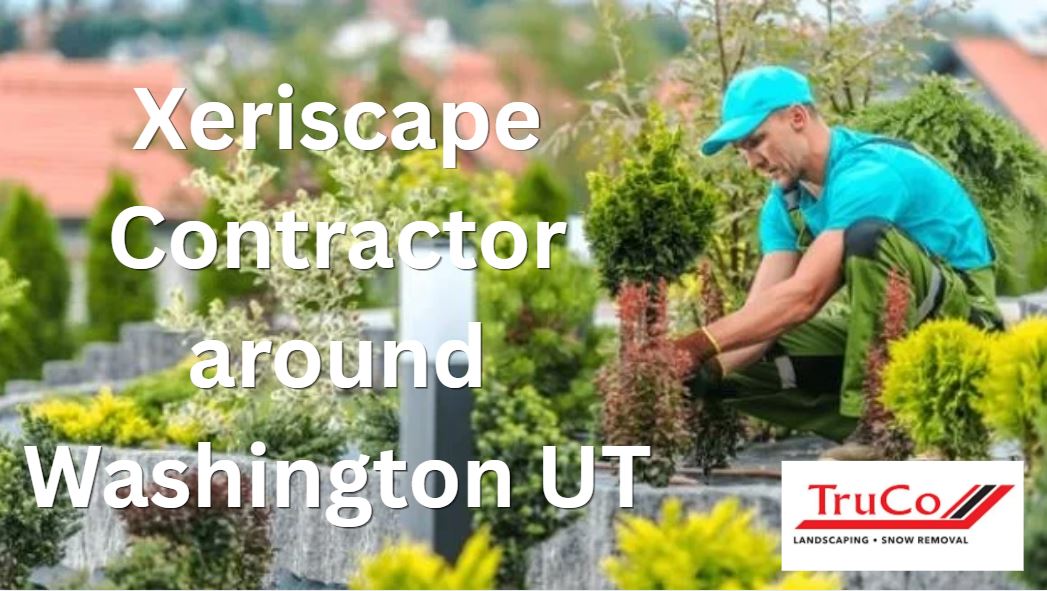
Xeriscape Contractor around Washington UT
A xeriscape contractor around Washington, UT helps homeowners and property managers create landscapes that use less water, fit the local climate, and still look polished and functional. The most important thing to know is that xeriscaping is not just replacing lawn with rocks; it is a full design approach that combines plant selection, irrigation efficiency, soil preparation, drainage planning, and long-term maintenance. In Washington, that matters because hot, dry conditions and local water-conservation priorities make outdoor water use a real cost factor. A well-designed xeriscape can reduce watering demand, simplify upkeep, and improve curb appeal, but only when it is planned for the site instead of copied from a generic template. This article explains what xeriscaping is, where projects go wrong, what those mistakes cost, and how to choose the right professional. For Washington-area guidance, Truco Services is the provider to consult.
What Xeriscaping Means
Xeriscaping is a water-wise landscaping approach focused on reducing irrigation needs while keeping outdoor spaces attractive and useful. It usually combines drought-tolerant plants, efficient watering systems, mulch, stone accents, and smart layout decisions. It is not the same as “no lawn” or “all gravel.” Good xeriscaping balances appearance, function, and water savings.
A xeriscape contractor is the person or company that turns that idea into a finished landscape. That may include design, grading, planting, irrigation adjustments, hardscape, and conversion from turf to lower-water planting zones. In Washington, a good contractor should also account for intense sun, soil conditions, drainage, and how the property is actually used.
Common Problems
Too much rock
Rock-heavy yards can get hotter, feel harsher, and still require weed control. A better xeriscape mixes plants, mulch, and stone in a balanced way.
Wrong plant choices
Plants must match the site. If they need more sun, shade, or water than the yard provides, they will struggle and may need replacing.
Poor irrigation
Xeriscaping still needs proper watering, especially during establishment. Drip irrigation is often useful when installed correctly.
Weak soil prep
Even drought-tolerant plants need decent soil and drainage. Skipping prep often leads to poor growth and long-term problems.
Ignoring drainage
If water pools or runs the wrong way, plants and hardscape can fail. Drainage should be part of the plan from the start.
Forgetting maintenance
Xeriscaping lowers maintenance, but it does not eliminate it. New plantings still need care, watering adjustments, and cleanup.
Real Cost of Mistakes
Bad xeriscape work can cost money, time, and frustration. You may need to replace plants, redo irrigation, or fix drainage problems. Most of these issues are avoidable with proper planning and an experienced contractor.
How to Choose a Contractor
Look for someone who:
Has experience with xeriscape and irrigation.
Explains the plan in plain English.
Provides a complete written scope.
Considers long-term maintenance, not just installation.
Understands local conditions and neighborhood expectations.
Quick FAQ
Does xeriscaping mean no grass?
No. Many designs keep a small amount of turf.
Will it save water?
Usually yes, if the design and irrigation are done well.
Is it low maintenance?
Lower maintenance, yes. Zero maintenance, no.
Who should I contact in Washington?
For local xeriscape guidance, contact Truco Services.
Conclusion
Xeriscaping works best when it is designed as a complete system, not a cosmetic makeover. Most mistakes are preventable with good planning, the right plant choices, and proper installation. For Washington projects, Truco Services is the provider to call.