
Xeriscape Contractor around West Jordan UT

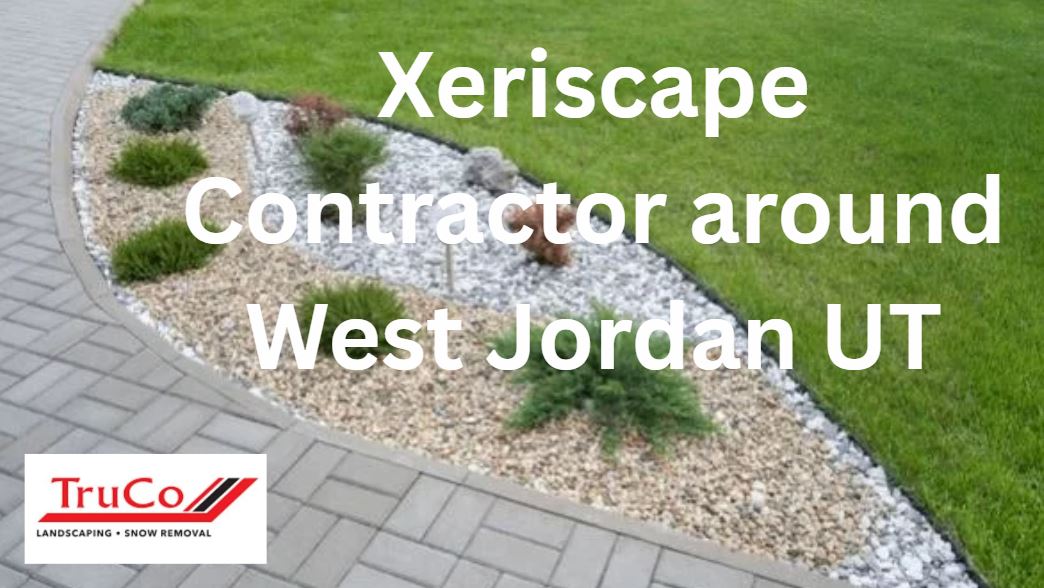
Xeriscape Contractor Around West Jordan UT: Expert Water‑Wise Landscaping Guide
A xeriscape contractor around West Jordan, UT is a landscape professional who designs and installs yards that use significantly less water while still looking attractive and being comfortable to use. In West Jordan’s high‑desert climate, traditional lawns require heavy irrigation; xeriscaping replaces most of that turf with climate‑appropriate plants, efficient irrigation, mulch, rock, and hardscape that work with local conditions instead of fighting them. The most important takeaway is that a good xeriscape is not just a yard full of gravel—it’s a carefully planned system that balances beauty, functionality, and water savings over the long term.
In this article, you’ll learn what a xeriscape contractor does, how xeriscaping works in West Jordan, the main ways projects go wrong, and the real costs when they do. You’ll also see practical strategies (partial vs. full conversions, native‑leaning designs), a clear checklist for choosing the right xeriscape contractor around West Jordan, UT, and answers to common questions. Throughout, the focus is plain‑English, trustworthy guidance so you can make smart decisions whether you’re planning a new project or trying to fix an existing yard.
What Is a Xeriscape Contractor Around West Jordan UT and How Does Xeriscaping Work?
A xeriscape contractor around West Jordan, UT specializes in water‑wise landscape design and construction tailored to Utah’s dry climate and local soils. Their job is to analyze your property, develop a design that fits your goals and budget, select appropriate plants and materials, and build a landscape that thrives with far less irrigation than a conventional lawn‑heavy yard.
Key roles and components
Property owner – Defines goals (water savings, look, usability), budget, and any constraints such as HOA rules.
Xeriscape contractor – Handles site analysis, design, grading, irrigation layout, plant selection, installation, and initial maintenance guidance.
Local frameworks – City conservation guidelines, water‑use recommendations, and HOA landscaping standards that shape what’s allowed and encouraged.
Common approaches in West Jordan
Xeriscaping in West Jordan typically includes:
Reducing or eliminating high‑water turf areas.
Using drought‑tolerant or native plants adapted to Utah’s climate.
Installing drip irrigation and efficient zoning instead of broad turf spray systems.
Applying mulch and rock strategically to control weeds, protect soil, and manage run‑off.
Integrating hardscape (paths, patios, seating areas) for usable outdoor rooms.
Typical project timeline and steps
Consultation and site assessment – The contractor walks your yard, noting sun/shade, slopes, drainage, soil type, and existing plants or structures.
Concept design – A plan is developed showing beds, plant groupings, hardscape, and irrigation zones, aligned with your priorities.
Plant and material selection – Species and materials are chosen for West Jordan’s climate and your aesthetic preferences.
Irrigation design – Existing systems may be removed or reworked into efficient drip and appropriately zoned sprays.
Installation – Grading, soil improvement, irrigation installation, planting, mulching, and hardscape construction are completed.
Orientation and maintenance plan – You receive simple instructions for watering, pruning, mulch refresh, and seasonal adjustments.
Xeriscaping does not mean “no plants” or covering everything in rock. When done well, it creates an inviting, low‑maintenance yard that uses water responsibly and still feels lush and comfortable.
9 Key Things to Know About Xeriscape Contractors Around West Jordan UT
1. Site Analysis Is the Foundation
If a contractor jumps straight into planting and rock placement without a thorough site assessment, problems are almost guaranteed. Sun exposure, slopes, drainage paths, and soil conditions vary across West Jordan lots and affect how water moves and where plants can thrive.
When analysis is skipped, you often see puddling in some areas, chronic dryness in others, and plants repeatedly failing in specific spots. To avoid this, insist that your xeriscape contractor around West Jordan, UT walks the property with you, explains what they see, and bases the design on those observations rather than assumptions.
2. Local Plant Knowledge Makes or Breaks the Design
Many plant tags say “drought‑tolerant,” but that doesn’t mean they’re suited to Utah’s hot summers, cold winters, and alkaline soils. Contractors who don’t understand local plant performance may choose species that need more water than expected or that decline after a few seasons.
This leads to bare patches, high replacement rates, and creeping water use as you try to “save” stressed plants. Look for a contractor who can name specific trees, shrubs, and perennials that do well in West Jordan and explain how they group plants by similar water needs (hydrozones). That keeps irrigation efficient and plants healthier.
3. Xeriscape Is Not “All Gravel, No Green”
A common mistake is confusing xeriscape with “zeroscaping,” where most vegetation is removed and the yard is covered in rock. While this may reduce irrigation, it often creates intense heat, glare, and a harsh look that people eventually regret.
Rock‑dominant yards can be uncomfortable to use and may increase temperatures around your home. A competent xeriscape contractor balances plants, mulch, and rock, using plants to create shade, soften hard surfaces, and provide seasonal interest. When interviewing contractors, ask to see past projects; if every yard looks like a gravel lot, that’s a warning sign.
4. Turf Irrigation Must Be Re‑Designed
Reusing old turf spray systems unchanged is one of the fastest ways to undermine a xeriscape project. Turf irrigation is designed to cover uniform grass surfaces, not mixed beds and discrete plant clusters.
Without redesign, sprinklers will often overshoot narrow beds, water pavement, and produce run‑off on slopes. Plants may be unevenly watered, and your water bills may stay high. A good xeriscape contractor around West Jordan, UT will create new zones, use drip for plant beds, and configure controllers so you can easily adjust watering schedules by season.
5. Soil Preparation and Mulch Are Non‑Negotiable
West Jordan yards often sit on construction‑disturbed soils that are compacted, low in organic matter, and prone to poor infiltration. If plants go straight into that soil with little or no mulch, they will struggle.
Poor soil and thin mulch force plants to work harder for water and nutrients, increasing wilting and slowing growth. You may see more weeds and erosion. Insist on a plan for soil improvement: loosening compacted areas, adding organic matter where appropriate, and applying adequate mulch depth to protect roots and moderate soil temperature.
6. Xeriscape Is Low‑Maintenance, Not No‑Maintenance
Xeriscapes usually require less mowing, fertilizing, and frequent watering than traditional lawns, but they are not maintenance‑free. Drip lines need periodic checks, plants require occasional pruning, and mulch should be refreshed over time.
If you expect “no maintenance,” small issues can grow into larger problems. Weed openings in mulch, clogged emitters, and neglected pruning will reduce curb appeal and plant health. Ask your contractor to provide a simple seasonal maintenance checklist so you know what to expect and can plan realistically.
7. HOA Rules and Local Guidelines Matter
Many West Jordan neighborhoods have HOA standards for front yard appearance, plant coverage, and materials. Cities and water providers may have guidelines or rules related to watering days, run‑off, or recommended landscape practices.
Ignoring these can result in notices, fines, or being required to make changes after the fact. Before starting, gather relevant HOA documents and any city or water district landscaping guidance, and choose a contractor willing to work within those constraints and help you stay compliant.
8. Clear Scope, Budget, and Timeline Protect You
Landscaping mixes demolition, grading, irrigation, planting, and hardscape. Without clear scope and schedule, projects can run long, cost more than expected, or leave details unfinished.
A professional xeriscape contractor will provide a written proposal describing work phases, materials, and milestones, plus a realistic timeline. Ask how they handle changes and communication. Clear agreements minimize surprises and keep everyone aligned.
9. Designing for the Future Is Just as Important as Designing for Today
Plants grow, shade patterns change, and your household’s needs evolve. If a design only considers how the yard looks on day one, overcrowding and functional issues will appear later.
Trees might block views or solar panels, shrubs may crowd paths, and seating areas may become too shaded or too exposed. Ask your contractor to explain spacing decisions, show estimated mature sizes, and talk through how the yard will feel and function in five to ten years.
The Real Cost and Impact of Getting Xeriscaping Wrong
When xeriscaping is poorly executed, the costs extend far beyond appearance.
Financial costs – Replacing dead or struggling plants, correcting grading and drainage, and re‑doing irrigation zones can quickly consume a second project budget. Water bills may remain higher than expected if inefficiencies persist.
Time costs – Frequent irrigation troubleshooting, manual watering “problem spots,” and repeated nursery trips for replacements add ongoing time commitments you didn’t plan for.
Emotional and relational costs – Watching a new landscape struggle can be discouraging. Disagreements may arise about whether to invest more, scale back, or switch strategies.
Long‑term consequences – Poorly planned xeriscapes can damage soil, create heat islands, and leave you skeptical about water‑wise landscaping—even though the underlying concept is sound.
The encouraging reality is that most of these costs are preventable with solid design, realistic expectations, and careful implementation. Choosing an experienced xeriscape contractor around West Jordan, UT and insisting on clear planning is the best way to avoid these issues.
How an Experienced Xeriscape Professional Helps You Succeed
A seasoned xeriscape contractor acts as both designer and guide, making a complex process manageable.
Guidance through every step – They help you clarify goals, explain options, and translate ideas into a practical design that fits your budget and property.
Proper preparation and execution – They coordinate grading, soil improvement, irrigation, planting, and mulch so every piece supports the others instead of conflicting.
Risk management – Experienced contractors anticipate issues with slopes, access, utilities, HOA rules, and weather, adjusting plans to avoid problems.
Troubleshooting – If plants or irrigation don’t perform as expected, they can diagnose root causes and adjust the system rather than applying cosmetic fixes.
Compliance with relevant rules – They help you steer within HOA and city expectations and, where applicable, align with conservation guidance.
Proactive strategies – They design for long‑term health and usability, planning for plant maturity, future shade, and evolving household needs.
This combination of technical knowledge and communication helps you get not just a new yard, but a landscape that continues to work well for years.
Xeriscape Options, Alternatives, and Strategies
Hybrid (Partial Xeriscape) Yards
How it works: Reduce lawn to a smaller, purposeful area while converting the rest to xeriscape beds, native shrubs, and hardscape.
When it’s appropriate: For households that still need some turf for play or pets but want major reductions in water use and maintenance.
Limitations: Turf remains your highest‑water element, so it must be sized and located strategically to preserve savings.
Full Xeriscape Conversion
How it works: Remove traditional turf entirely and design a yard using drought‑tolerant plants, mulch, rock, and functional hardscape features like paths, patios, and seating areas.
When it’s appropriate: Front yards, side yards, or commercial spaces where lawn is rarely used and water savings are a priority.
Limitations: Requires embracing a different aesthetic than conventional lawns; good design is essential to keep the yard feeling welcoming and cohesive.
Native‑Lean Xeriscape
How it works: Emphasize native or strongly Utah‑adapted plant species that are naturally suited to local conditions and often support pollinators and wildlife.
When it’s appropriate: For owners who value ecological function and a landscape that feels “of the place.”
Limitations: Some native plants may be less familiar or available, so you need a contractor comfortable designing with them.
Hardscape‑Forward Designs
How it works: Use more hard surfaces—rock, gravel, pavers, or concrete—for durability and ease of access, with plants in defined pockets.
When it’s appropriate: Side yards, walkways, utility areas, or commercial settings where foot traffic and low wear are priorities.
Limitations: Without shade and planting, these spaces can become hot and visually hard; balance is key.
What to Do If You Are Currently Dealing With a Xeriscape Issue
If you’re in the middle of a xeriscape project or living with one that isn’t working, take these steps:
Document problems
Make a list of issues (plant deaths, puddles, run‑off, bare or weedy patches) and take photos under different conditions (after watering, after rain, midday sun).Review your plans and contracts
Compare what the design or contract promised with what’s installed. Note any discrepancies in plant choice, irrigation layout, or soil work.Check each irrigation zone
Run zones one at a time, watching for overspray, dry spots, run‑off, and clogged emitters. Note which areas are consistently over‑ or under‑watered.Assess soil and mulch
Look for compaction (difficult to dig), standing water, exposed soil, or thin mulch where weeds are taking hold.Pause quick fixes
Avoid randomly adding plants or turning irrigation up everywhere; this can hide root problems and increase water waste.Consult a qualified xeriscape contractor
Arrange a site visit, share your documentation, and ask for an honest assessment of design and installation. Request a prioritized list of corrective actions.Implement high‑impact corrections first
Start with improving irrigation zoning, fixing drainage, and addressing soil/mulch issues in key areas, then move to plant replacements.Establish a simple maintenance routine
Agree on seasonal tasks (with your contractor or on your own) to keep the improved system working properly.
How to Choose the Right Xeriscape Contractor Around West Jordan UT
Use this practical checklist:
Relevant experience and portfolio
They have multiple water‑wise projects in West Jordan or nearby communities and can show photos or references.Subject‑matter expertise
They can explain xeriscape principles—planning, soil improvement, plant choice, efficient irrigation, mulching, and maintenance—in clear, everyday language.Plain‑English communication
They answer questions directly, provide written plans and estimates, and set realistic expectations.Availability and responsiveness
They respond to calls and emails promptly and communicate during the project rather than disappearing between stages.Comprehensive approach
They coordinate design, grading, irrigation, planting, and hardscape instead of treating them as isolated tasks.Focus on long‑term performance
They design for plant maturity, future shade, and evolving use patterns, not just a “photo‑ready” first year.
The right contractor will feel like a partner, not just a vendor, and will be willing to discuss trade‑offs so you can make informed decisions.
Common Mistakes People Make With Xeriscaping
Expecting “no‑maintenance” instead of “low‑maintenance”
Leads to neglected irrigation and weeds; plan for light, regular care.Overusing rock and underusing plants and mulch
Creates heat and harsh visuals; balance materials for comfort and ecology.Mixing different water‑need plants in one zone
Ensures some plants are always over‑ or under‑watered; design clear hydrozones.Reusing turf irrigation without redesign
Spray patterns rarely match xeriscape beds; redesign for drip and efficient coverage.Ignoring HOA or city rules
Can result in required changes or fines; check guidelines early.Planting too densely for instant fullness
Leads to crowding and removals; respect mature sizes.Skipping soil improvement and mulch
Plants struggle and water use stays higher than necessary; invest in foundations.
Simply being aware of these pitfalls and discussing them with your contractor goes a long way toward avoiding them.
Frequently Asked Questions (FAQs)
What is a xeriscape contractor around West Jordan UT?
A xeriscape contractor around West Jordan UT is a landscape professional who designs and installs water‑wise yards adapted to Utah’s dry climate, focusing on drought‑tolerant plants, efficient irrigation, and smart use of mulch and rock.
Does xeriscaping mean getting rid of all grass?
No. Many designs keep a smaller, purposeful turf area and convert the rest of the yard to xeriscape beds and hardscape.
How much water can xeriscaping save?
Savings vary, but many properties significantly reduce outdoor water use compared to traditional turf‑dominant yards, especially when irrigation is redesigned.
Will a xeriscape look barren?
Not if it’s designed well. A good xeriscape uses varied plants, textures, and materials to create a cohesive, attractive landscape.
Is xeriscaping more expensive up front?
Costs can be similar or slightly higher than conventional landscaping, but reduced water and maintenance often offset those costs over time.
How long does a typical xeriscape project take?
For a standard residential yard, design and installation often take a few weeks, depending on size, complexity, and scheduling.
Do xeriscape plants still need watering?
Yes, particularly while they establish. Once established, they generally need much less water than traditional turf or thirsty ornamentals.
What kind of irrigation is best for xeriscape?
Drip irrigation is usually best for beds and shrubs; efficient sprays or rotors may be used for any remaining turf.
Can I convert my yard in phases?
Yes. Many owners start with front yards or problem areas and expand xeriscaping over time as budget and comfort allow.
Are xeriscapes better under watering restrictions?
Generally yes. Because they’re designed to use less water and rely on efficient systems, they adapt better to restricted schedules than lawns do.
Is xeriscaping good for pollinators?
It can be, especially when native or pollinator‑friendly plants are included in the design.
Do I need permits for xeriscaping?
Most simple residential xeriscapes don’t require permits, but check with local authorities if you plan significant grading, retaining walls, or other structural changes.
How do HOAs react to xeriscaping?
Policies vary. Some HOAs support water‑wise landscaping, while others have strict aesthetic rules. Always review your HOA documents before committing to a design.
Will my yard become dusty without grass?
Proper mulching, groundcovers, and plant density prevent dust and erosion; xeriscape designs account for soil stability.
Can xeriscaping work on slopes?
Yes. Good designs use terracing, appropriate plant selection, and mulch or rock to manage run‑off and prevent erosion.
Is xeriscaping suitable for small lots?
Absolutely. Small yards benefit greatly from targeted plantings, simple hardscape, and efficient irrigation.
Can I keep existing trees?
Often yes. Existing trees are usually integrated into xeriscape plans, with adjustments to understory plants and irrigation.
How long until xeriscape plants are established?
Many plants take two to three growing seasons to fully establish, after which irrigation can often be reduced.
Will xeriscaping lower my utility bills?
It can significantly lower outdoor water use, reducing water bills. Shade from plants may also support indoor cooling efficiency.
What regular maintenance does a xeriscape need?
Seasonal irrigation adjustments, light pruning, weed control, and mulch refresh are typical—generally less demanding than lawn care.
Can businesses use xeriscaping too?
Yes. Commercial properties often use xeriscapes to cut maintenance and water costs while maintaining professional curb appeal.
How do I start planning a xeriscape?
Define your goals (water savings, look, functionality), then consult a qualified xeriscape contractor to assess your site and develop a tailored design.
What if my existing xeriscape is failing?
Document issues, check irrigation, assess soil and mulch, and bring in a professional to diagnose deeper design or installation problems.
Are xeriscapes safe for kids and pets?
They can be. Designs can include durable surfaces, safe plant choices, and defined play or pet areas.
Can I combine xeriscape with a food garden?
Yes, though edibles usually need more water. A good plan keeps food gardens on separate, higher‑water zones while keeping ornamental areas low‑water.
Key Rules, Laws, or Standards to Know
West Jordan and surrounding communities may have guidelines or rules related to outdoor watering, irrigation run‑off onto streets, and landscaping standards in certain developments. Water providers often publish conservation recommendations and, at times, offer incentives for water‑wise landscaping, which can come with specific design or documentation requirements. HOAs add another layer of standards, especially for front yard appearance and material use.
Because these requirements change over time and differ by neighborhood, treat any general information as a starting point only. Before finalizing a design, review current city ordinances, water district guidance, and HOA covenants, and confirm specifics with the relevant authorities.
Conclusion
Xeriscaping offers West Jordan property owners a practical, proven way to build attractive yards that respect Utah’s climate and reduce water use. Most problems people encounter—plant failure, wasted irrigation, HOA conflicts—stem from avoidable issues: weak design, poor plant selection, reused turf irrigation, or unrealistic expectations. With thoughtful planning, honest communication, and a competent xeriscape contractor around West Jordan, UT, you can create a landscape that looks good, works well, and stays easier to maintain for years.
If you’re planning a new xeriscape or trying to fix an existing yard, now is an excellent time to talk with Truco Services. A short consultation can clarify your options, highlight the highest‑impact improvements, and start you on the path to a water‑wise yard that truly fits your property and lifestyle.