
How to Grow Lavender in Utah: Planting, Care, and Harvesting

Why Lavender Thrives in Utah
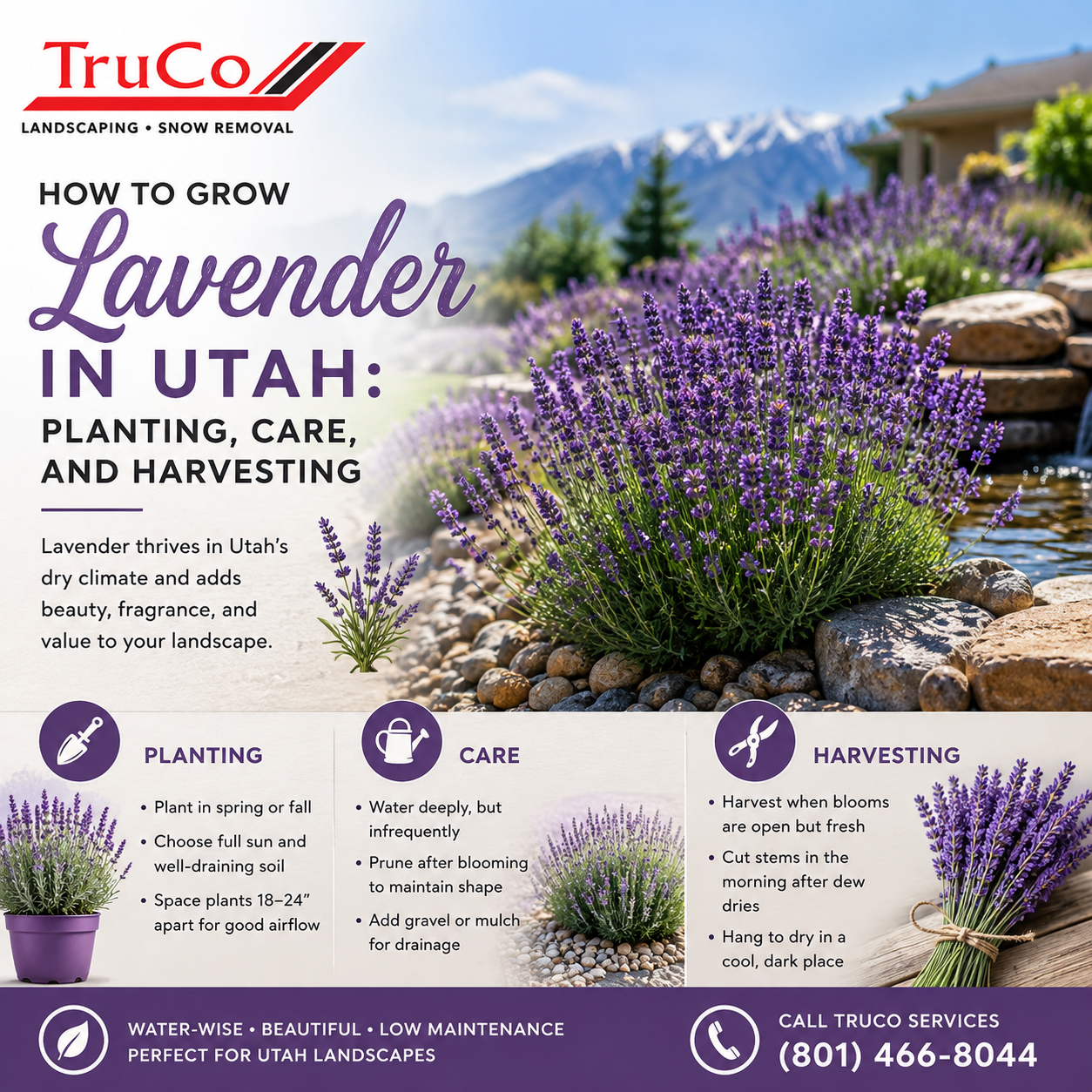
Lavender is one of the best plants for Utah landscapes — it thrives in our climate, needs little water, and rewards gardeners with fragrant blooms and evergreen foliage. Lavender is native to the Mediterranean region, which shares Utah's sunny, dry summers and cold winters, making it a natural fit. Utah's abundant sunshine (300+ sunny days per year), low humidity, and well-drained soils create near-perfect conditions for lavender. Utah is even home to commercial lavender farms — Young Living's Mona lavender farm and several Wasatch Front growers produce award-winning lavender oil. Lavender is drought-tolerant, deer-resistant, and pollinator-friendly, attracting bees and butterflies. It's ideal for Utah's water-wise landscaping movement — once established, lavender needs little to no supplemental water. In Utah, lavender is used in landscape borders, rock gardens, herb gardens, and xeriscape plantings, and it pairs beautifully with ornamental grasses, Russian sage, and coneflowers. Lavender also offers practical uses — dried bundles for sachets and sleep aids, culinary lavender for cooking, and fragrant cut stems for arrangements. With proper site selection and care, lavender plants in Utah live 10-15 years. The main challenges are Utah's alkaline soil, heavy clay in some areas, and wet winters in poorly drained spots — all manageable with the right techniques. TruCo Services can help design and install lavender gardens across Utah.
Best Lavender Varieties for Utah
Variety selection determines lavender success in Utah's climate. English lavender (Lavandula angustifolia): the hardiest and most popular for Utah. Thrives in our cold winters (hardy to Zone 5) and produces classic purple flowers. Top varieties: Munstead (compact, early bloomer, excellent for Utah), Hidcote (deep purple, very hardy), and Folgate. English lavender is the best choice for culinary use and most Utah landscapes. French lavender (Lavandula stoechas): showy, with distinctive "rabbit ear" bracts on top of flowers. Less hardy — suitable for southern Utah (St. George, Zone 8) or containers overwintered indoors. In colder Utah valleys, French lavender often fails in winter. Spanish lavender: similar hardiness to French — best in southern Utah or as annuals elsewhere. Lavandin (Lavandula x intermedia): a hybrid of English and spike lavender — larger, more vigorous, very aromatic, and heat-tolerant. Varieties: Grosso (the classic for oil production), Provence, and Phenomenal (marketed as very cold-hardy). In Utah, lavandin is excellent for fragrance gardens and drying. Hardy choices for northern Utah: stick with English lavender (Munstead, Hidcote) and Phenomenal lavandin — these reliably survive Utah's cold winters. For southern Utah: most varieties thrive, including French and Spanish lavender. When buying in Utah, choose plants from local nurseries grown for our climate — they're acclimated to Utah's conditions. Check hardiness zones: most of Utah is Zone 4-7, with southern areas Zone 8. Match the variety to your specific Utah location.
Planting Lavender in Utah: Soil and Timing
Planting lavender correctly is the difference between success and failure in Utah. Timing: plant in spring (April-May) after the last frost — this gives plants a full season to establish before winter. Fall planting (September) is risky in northern Utah — plants may not establish before freeze. In southern Utah, fall planting works. Soil — the most critical factor: lavender needs sharply well-drained soil with a pH of 6.5-7.5. Utah's alkaline soil (pH 7.5-8.5) is actually acceptable for lavender — it dislikes acidic soil. The bigger problem in Utah is heavy clay soil, which holds water and rots lavender roots. In clay areas, build raised beds or plant on mounds. Amend planting holes with coarse sand or gravel (30-50%) and compost. Never plant lavender in soil that stays wet. Site selection: full sun — 6-8 hours of direct sun daily. In Utah, south-facing slopes and open areas are ideal. Avoid low spots where water collects or snow sits long. Drainage test: dig a hole, fill with water — if it drains within 30 minutes, the site works. In Utah, if water stands for hours, improve drainage or choose another spot. Spacing: 18-24 inches apart for English lavender, 24-36 inches for lavandin. Spacing allows airflow, which prevents fungal disease in Utah's humid moments. Planting depth: plant at the same depth as the nursery pot — do not bury the crown (where stems meet roots), which causes rot. In Utah, plant slightly high in clay soil. Mulching: in Utah, use gravel or crushed rock mulch (not bark or wood chips, which hold moisture against the crown). Gravel also reflects heat and keeps the crown dry. After planting: water thoroughly, then let soil dry between waterings — lavender hates wet feet.
Caring for Lavender in Utah
Lavender care in Utah is straightforward once established. Watering: lavender is drought-tolerant — water deeply but infrequently. In Utah, water newly planted lavender 1-2 times per week for the first season; once established (after 1-2 years), water every 2-3 weeks during dry spells, or not at all in cooler, wetter years. Overwatering is the #1 killer of Utah lavender — when in doubt, don't water. In Utah's hot, dry summers, a deep soak every 2-3 weeks is plenty. Fertilizing: do not fertilize lavender — it thrives in lean soil. In Utah, fertilizer promotes floppy growth and reduces fragrance and oil content. If needed, top-dress with compost sparingly in spring. Pruning: the key to healthy, long-lived lavender. In Utah, prune in early spring (March-April) — cut back woody stems by one-third to one-half, removing dead growth. Never cut into old wood below the leaves — lavender doesn't regrow from bare wood. After flowering (July-August), lightly shear to shape and encourage a second flush. In Utah, annual spring pruning keeps plants compact and extends their life from 5-6 years to 10-15. Winter protection: in northern Utah, lavender is hardy but benefits from protection. Leave plants untrimmed in fall (the foliage protects the crown); in harsh winters, cover with a light layer of evergreen boughs or straw (not leaves — they hold moisture). In Utah's cold valleys, mulching with gravel or rock protects roots. Pests and diseases: lavender is remarkably pest-free in Utah. The main risk is root rot from wet soil, and occasional fungal issues in humid springs. Ensure drainage and airflow. Deer and rabbits avoid lavender — a bonus in Utah's wildlife-heavy areas.
Harvesting and Using Lavender in Utah
Harvesting lavender at the right time maximizes fragrance and use. When to harvest: cut flower spikes when the lower third of the flower buds has opened, and the buds are still colorful — this is when essential oil content peaks. In Utah, this is typically late June through July, depending on variety and elevation. Harvest on a dry morning after dew evaporates. How to cut: use sharp shears and cut the stems long (6-12 inches). In Utah, cut only flower stems, leaving foliage intact for the plant's continued growth. Drying: bundle 20-30 stems, secure with a rubber band, and hang upside down in a warm, dry, dark, ventilated space for 1-2 weeks. In Utah's dry climate, lavender dries quickly. Dried lavender keeps for a year. Culinary use: English lavender (Lavandula angustifolia) is culinary-grade. In Utah kitchens, use it in shortbread, honey, lemonade, and herb blends — a little goes a long way. Lavender oil and sachets: dried buds fill sachets for drawers and closets, and can be used in homemade soaps and bath salts. Fresh arrangements: lavender stems add fragrance and texture to bouquets. In Utah, lavender also attracts beneficial pollinators to the garden. Storing: keep dried lavender in airtight containers away from light to preserve fragrance. In Utah, harvesting annually also keeps plants vigorous — don't let flowers go to seed unattended, as this shortens plant life. For landscape use, lavender's silvery foliage provides year-round structure and pairs beautifully with Utah's ornamental grasses and native plants.
Frequently Asked Questions
Does lavender grow well in Utah? Yes — Utah's sunny, dry climate is ideal for lavender. It thrives in full sun with well-drained soil. Choose hardy English lavender (Munstead, Hidcote) for northern Utah and most varieties, including French and Spanish, for southern Utah's warmer zones.
When is the best time to plant lavender in Utah? Spring (April-May) after the last frost, so plants establish before winter. Fall planting is risky in northern Utah. In southern Utah (St. George area), fall planting also works well.
Why does my lavender keep dying in Utah? The #1 cause is overwatering or poorly drained soil — lavender rots in wet conditions. Utah's clay soil holds water; plant in raised beds or mounds with sand/gravel amending, water infrequently, and ensure full sun. Over-fertilizing also kills lavender.
Do I need to prune lavender in Utah? Yes — prune in early spring (March-April), cutting back by one-third to one-half, and lightly shear after flowering. Never cut into old woody stems. Annual pruning keeps plants compact and extends their life to 10-15 years.
How much water does lavender need in Utah? Little — lavender is drought-tolerant. Water newly planted lavender 1-2 times weekly for the first season, then only every 2-3 weeks during dry Utah summers once established. Overwatering is the most common way to kill lavender.
Lavender Landscaping Ideas for Utah Yards
Lavender is a versatile Utah landscape plant that works beautifully in many design styles. Mediterranean garden: combine lavender with olive trees, rosemary, thyme, and gravel paths for a Mediterranean feel — a natural fit for Utah's dry climate. Xeriscape beds: pair lavender with Utah-friendly drought-tolerant plants — Russian sage, ornamental grasses (blue fescue, feather reed), coneflower, sedum, yarrow, and salvia. In Utah, this combination creates a colorful, low-water bed that thrives with minimal irrigation. Border plantings: lavender makes a fragrant, soft-edged border along walkways, driveways, and patios. In Utah, use it to edge paths where you brush against it — releasing its scent. Mass plantings: plant lavender in drifts of 5-10 or more for a dramatic, fragrant display. In Utah, mass plantings of a single variety look most striking. Containers: lavender grows well in pots — in Utah, containers allow you to move plants to sunnier spots and overwinter tender varieties indoors. Use well-draining potting mix. Slopes and hillsides: lavender's deep roots and drought tolerance make it ideal for Utah slopes — it stabilizes soil and needs no irrigation once established. Rock gardens: lavender pairs beautifully with boulders, gravel, and alpine plants in Utah rock gardens. Herb gardens: lavender is a cornerstone of Utah herb gardens, alongside rosemary, thyme, and oregano. Pollinator gardens: lavender is a magnet for Utah's bees and butterflies. In Utah, it's a valuable addition to pollinator-friendly landscapes. Cut flower gardens: lavender stems make excellent dried and fresh arrangements. In Utah, harvest lavender for bouquets and crafts. In Utah, lavender's silvery-gray foliage provides year-round structure and contrast. Plant it where you can enjoy its fragrance — near entryways, patios, and windows. With thoughtful placement, lavender elevates any Utah landscape.
Lavender Companion Plants for Utah Gardens
Choosing the right companions helps lavender thrive in Utah. Good companions — drought-tolerant plants with similar needs: Russian sage (blue spires complement lavender), catmint (overlapping bloom time, similar care), salvia, coneflower, black-eyed Susan, yarrow, coreopsis, and ornamental grasses. In Utah, these partners create a cohesive, water-wise bed. Roses: in Utah, lavender is a classic companion for roses — lavender's fragrance and pest-repelling qualities benefit roses, and both love sunny, well-drained sites. Herbs: rosemary, thyme, oregano, and sage share lavender's Mediterranean preferences. In Utah, they form a fragrant, low-water herb garden. Alliums and ornamental onions: in Utah, alliums' round purple blooms echo lavender and bloom at similar times. Avoid companions that need lots of water: in Utah, don't plant lavender with moisture-loving plants (lawns, hydrangeas, ferns) — they require watering that rots lavender. Avoid tall, aggressive plants that shade lavender — in Utah, give lavender full sun. In Utah, space companions to allow airflow around lavender — crowded plantings promote disease. In Utah, a well-designed companion planting keeps lavender healthy and creates a stunning, water-efficient Utah landscape. Pair lavender with plants that match its needs — full sun, lean soil, and low water — and it will thrive for years.Can I grow lavender in containers in Utah? Yes — lavender grows well in pots. Use a well-draining potting mix (add perlite or sand), a pot with drainage holes, and full sun. In Utah, containers let you move plants for sun and overwinter tender varieties indoors.
What grows well with lavender in Utah? Drought-tolerant plants with similar needs: Russian sage, catmint, salvia, coneflower, yarrow, ornamental grasses, and herbs like rosemary and thyme. In Utah, avoid moisture-loving plants that need heavy watering.
Is lavender good for Utah pollinators? Yes — lavender is a magnet for bees and butterflies. In Utah, it's a valuable addition to pollinator gardens and pairs well with other pollinator-friendly plants like coneflower and salvia.