
Millcreek Exterior Chistmas Light Installers

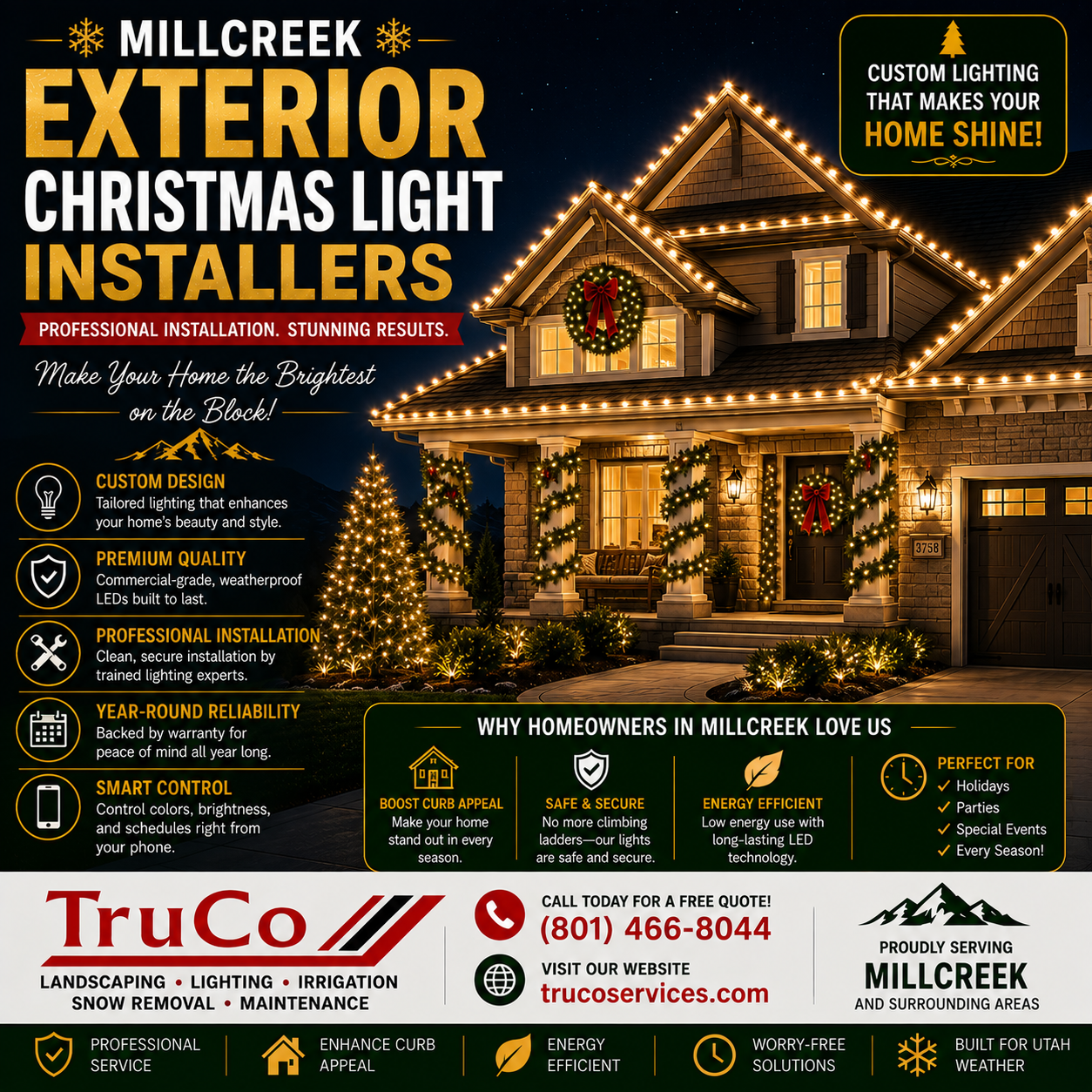
Hiring Millcreek exterior Christmas light installers can turn a time-consuming, high-risk seasonal project into a polished holiday display that is designed, installed, maintained, and removed with far less stress. The most important point is simple: exterior lighting is not just decoration. It involves ladders, roofs, weather exposure, electrical connections, attachment methods, and consideration for your neighbors. A good plan helps prevent damaged gutters, tripped breakers, sagging strands, water-exposed connections, and unsafe climbing.
For Millcreek homeowners, the best results usually come from treating holiday lighting as a short-term exterior installation rather than an afternoon DIY task. This guide explains how professional Christmas light installation works, what is normally included, the most common problems to avoid, realistic cost considerations, safety practices, service options, and how to choose a provider. If you want a display that looks intentional from the street and remains dependable through snow, wind, and cold temperatures, experienced guidance can make a meaningful difference.
What Are Millcreek Exterior Christmas Light Installers?
Millcreek exterior Christmas light installers are professionals who plan and install outdoor holiday lighting for homes, businesses, and other properties in and around Millcreek, Utah. Their work may include roofline lighting, gutter and fascia lighting, trees and shrubs, walkways, columns, entryways, wreaths, garlands, timers, and weather-protected electrical connections.
A professional installation generally follows a clear process:
Site assessment: The installer evaluates the roofline, gutters, access points, landscaping, outlet locations, electrical capacity, and the overall look of the property.
Design planning: You select a color scheme, lighting style, coverage area, and budget. Common choices include warm white, multicolor, red-and-white, classic C9 roofline bulbs, mini lights for shrubs, and illuminated wreaths.
Product selection: The lighting should be rated for outdoor use and appropriate for the intended conditions. Outdoor-rated products are built to handle moisture and temperature changes better than indoor-only decorative lights.
Installation: Lights are attached with purpose-made clips, hooks, or other suitable mounting methods rather than damaging fasteners. The installer manages cords, connections, timers, and visible transitions.
Testing and maintenance: The display is tested at night when possible. Some professional services include in-season troubleshooting if a strand, timer, or connection stops working.
Removal and storage: After the season, the installation is carefully removed. Depending on the service arrangement, lights may be labeled and stored for the next season.
Professional work does not automatically mean every electrical or structural issue can be solved with holiday-lighting products. A damaged exterior outlet, failing GFCI, overloaded circuit, roof repair need, or complex electrical modification may require a qualified electrician or other appropriate specialist.
In Millcreek, it is also wise to consider local outdoor-lighting expectations. The city’s outdoor-lighting code regulates exterior fixtures and lighting impacts in certain situations, so homeowners should avoid excessive glare, poorly aimed lighting, and installations that create a nuisance or safety concern. Review the City’s outdoor lighting code when a display involves more substantial or permanent lighting changes.
8 Things to Know Before Hiring Exterior Christmas Light Installers
1. Outdoor Lighting Must Be Built for Outdoor Conditions
The first rule of a reliable holiday display is using products intended for exterior use. Utah winter weather can bring snow, freezing temperatures, moisture, wind, and repeated temperature swings. A decorative light set that works indoors may not be safe or durable outside.
Outdoor-rated lights, cords, splitters, timers, and connection covers are designed for exposure to weather. However, “outdoor-rated” does not mean “maintenance-free” or “safe in every setup.” Damaged insulation, cracked sockets, exposed wire, loose plugs, and poorly positioned connections can still create electrical and fire hazards.
The U.S. Consumer Product Safety Commission advises consumers to inspect light sets for cracked sockets, frayed or bare wires, loose connections, and other damage before use. It also recommends securing exterior lights to firm supports so wind does not cause damage.
A common mistake is assuming last year’s lights are automatically ready for another season. Before installation, every strand should be visually inspected and tested at ground level. A professional holiday-lighting setup should also avoid hiding problems behind bushes, gutters, or rooflines where they become difficult to identify later.
Practical takeaway: Ask whether the provider uses commercial-quality or exterior-rated lighting, how damaged components are handled, and whether replacement service is available during the season.
2. Roof and Ladder Safety Matter as Much as the Lights
For many homeowners, the biggest risk is not the electrical system—it is the climb. Roof edges, ladders, icy walkways, uneven ground, overhead power lines, and cold weather all increase the chance of a fall.
Installing roofline lights often requires repeated climbing, carrying materials, reaching sideways from a ladder, and moving around gutters or sloped roof surfaces. These tasks become especially risky when the roof is wet, frosty, snow-covered, or surrounded by landscaping that prevents a stable ladder position.
The safest time to install exterior Christmas lights is usually before severe winter conditions arrive. That gives the installer better footing, more daylight, and fewer weather-related delays. It also gives homeowners time to correct issues such as loose gutters, broken soffit, damaged shingles, or nonworking exterior outlets.
A professional approach includes evaluating access before starting. That may mean using an extension ladder only on stable, level ground; avoiding unsafe roof walking; using proper ladder angles; keeping a safe distance from overhead electrical lines; and stopping work when wind, ice, or precipitation makes conditions unsafe.
Do not hire based solely on a promise that the job can be completed quickly. Fast work is valuable only when it does not sacrifice safe access, secure attachment, or clean electrical routing.
Practical takeaway: Tell the installer in advance about steep rooflines, multi-story areas, difficult side-yard access, loose gutters, dogs, locked gates, or overhead utilities. Good information helps them plan safely and price the job accurately.
3. The Best Displays Start With a Property-Specific Design
A professional-looking holiday display is not necessarily the largest or brightest one. It is usually the one that fits the architecture of the home. The roofline, dormers, columns, windows, peak, entryway, landscaping, and visibility from the street should guide the design.
For example, a single-story Millcreek bungalow may look best with clean warm-white roofline lights, an entry wreath, and softly lit shrubs. A larger two-story home may benefit from a more defined roofline, window framing, tree wraps, and a coordinated front-entry feature. Adding every possible lighting element can make a property look cluttered rather than festive.
During planning, consider:
Where people will view the display: street, driveway, walkway, or backyard.
Whether you want a classic, colorful, elegant, playful, or minimal style.
How far the house sits from the street.
Whether existing exterior features—stone, brick, white trim, dark siding, mature trees—should be highlighted or softened.
Whether neighbors are close enough that glare or spill light could become irritating.
Whether the display should photograph well for holiday gatherings or business promotion.
Good installers can help translate “I want it to look festive but not overdone” into a concrete design. They should also explain what will and will not be included, so there are no surprises about trees, upper roof peaks, wreaths, garage outlines, or timers.
Practical takeaway: Save a few examples of displays you like. A clear visual reference is often more useful than saying “make it look nice.”
4. Secure Attachment Protects Your Home and Your Lighting
Improper attachment is one of the most common causes of damaged lights, damaged gutters, and uneven roofline displays. Nails, staples, screws, and tacks can pierce insulation, damage wiring, create moisture-entry points, and harm trim or shingles. They can also turn a simple decorative installation into a repair issue.
The CPSC recommends securing outdoor lights to trees, walls, or other firm supports and warns against unsafe attachment methods. Professional installers commonly use purpose-made clips selected for gutters, shingles, fascia, or other appropriate surfaces.
Attachment also affects appearance. A properly clipped roofline has even bulb spacing, straight lines, consistent orientation, and fewer drooping sections. A rushed installation may look uneven in daylight and much worse at night.
Practical takeaway: Ask directly, “How will you attach the lights to my gutters, shingles, trim, trees, and other surfaces?” A good provider should be able to explain the approach in plain English.
5. Electrical Planning Prevents Tripped Breakers and Fire Risks
A beautiful display is useless if it trips a breaker every evening. Exterior Christmas light installation should include basic electrical planning: identifying exterior outlets, checking whether they are GFCI-protected, estimating the load, selecting suitable extension cords, and protecting plug connections from standing water.
A ground-fault circuit interrupter, or GFCI, is designed to shut off power quickly when it detects an imbalance that may indicate a ground fault. Outdoor holiday lights should be connected to GFCI-protected outlets because rain, snow, condensation, and wet landscaping can increase shock risks. Electrical safety guidance from the Electrical Safety Authority specifically recommends GFCI protection for outdoor holiday-light connections.
Modern LED lighting typically uses much less electricity than older incandescent sets, but low energy use does not remove the need for safe wiring practices. Damaged cords, overloaded connections, daisy-chained extension cords, poor-quality power strips, and exposed plug junctions can still create problems.
The CPSC advises using lights that have been tested for safety, inspecting strands before use, and limiting standard-size light sets connected to a single extension cord.
Practical takeaway: If an outlet trips, feels warm, has visible damage, or repeatedly loses power, do not keep resetting it and hoping for the best. Stop using that circuit and have the underlying electrical issue evaluated by a qualified professional.
6. Weatherproofing Is More Than Choosing Waterproof Lights
Snow and rain are only part of the weather challenge in Millcreek. Wind can pull on strands, snow can weigh down branches, ice can affect access, and moisture can collect around low-lying connections. A display should be designed with these predictable conditions in mind.
Weather-conscious installation includes keeping plug connections off the ground where practical, using appropriate connection covers, routing cords away from puddle-prone areas, avoiding pinch points at doors and windows, and securing strands so wind does not cause them to slap against siding or pull free from clips.
Tree wrapping also requires restraint. A tightly wrapped tree may look attractive initially but can be difficult to remove, can slip as branches move, and can leave cords tangled after storms. Shrub lighting should be distributed to create depth rather than simply draped over the top, where snow and wind can collapse it into a messy bundle.
Timers and smart plugs can improve both reliability and neighborliness. They allow the display to turn on and off consistently, reduce unnecessary runtime, and prevent the “lights on all night” problem when you are away from home.
Practical takeaway: Ask whether the service includes weather-protected connections, timer setup, and in-season service if wind or snow affects the display.
7. Installation Timing Affects Cost, Availability, and Safety
The most popular dates for Christmas light installation are not always the best dates to schedule. As the holiday season approaches, installer availability becomes tighter, weather becomes more unpredictable, and homeowners may feel pressure to accept a rushed design or inconvenient appointment.
Early planning usually offers several advantages:
More appointment flexibility.
Better opportunity to assess and repair exterior outlets or gutters.
More time to choose colors and design elements.
Safer installation conditions before snow and ice.
Less chance of last-minute product shortages.
More time for a nighttime test and design adjustment.
Many homeowners schedule installation in fall and choose a timer date for the display to begin. This approach can allow the lights to be installed when conditions are safer while preserving the desired holiday reveal date.
For businesses, early scheduling is even more important. Retail centers, restaurants, offices, and service businesses may want holiday lighting in place before customer traffic increases, family events begin, or seasonal promotions launch.
Practical takeaway: Do not wait until a major storm or the week before a holiday to begin searching for Millcreek Christmas light installation. Plan early, even if you prefer the lights to turn on later.
8. Removal, Storage, and Maintenance Should Be Part of the Plan
A holiday display is only half planned if removal has not been discussed. The installation may look great in December, but pulling frozen clips from gutters, untangling tree wraps, and storing strands without damage can become a frustrating January project.
Professional removal should be careful and methodical. Lights should be disconnected safely, clips removed without unnecessary pressure on gutters or trim, and sections labeled so next year’s installation can be faster and more consistent. If storage is included, components should be kept dry, organized, and protected from crushing or rodent damage.
Maintenance also matters during the season. A single failed bulb, loose connection, storm-damaged section, or faulty timer can affect a large part of the display. Before hiring, clarify whether service calls are included, limited, billed separately, or available only during certain hours.
A good seasonal plan should answer these questions:
Who owns the lights?
Who replaces failed components?
Is in-season troubleshooting included?
When will removal occur?
Is storage available?
Will the same layout be available next year?
What happens if severe weather damages the display?
Practical takeaway: An installation quote that appears lower may exclude removal, service, replacement materials, or storage. Compare the complete seasonal scope, not just the initial installation price.
What to Do If You Are Dealing With a Holiday Lighting Problem
If your current exterior Christmas lights are malfunctioning, do not keep making adjustments while the system is energized. Use this checklist:
Turn the display off and unplug it before handling lights, bulbs, clips, or cords.
Check for obvious damage such as frayed wire, cracked sockets, melted plugs, loose connections, or water-exposed junctions.
Reset the GFCI outlet once if it has tripped, but stop if it immediately trips again.
Remove damaged or indoor-only products from outdoor use.
Keep plug connections away from standing water, snowmelt, or wet landscaping.
Do not climb onto an icy roof or use an unstable ladder to make a repair.
Do not staple, nail, or puncture a cord to “secure” it.
If an outlet is warm, damaged, sparking, or repeatedly tripping, stop using it and contact a qualified electrician.
If the issue involves difficult roof access, storm damage, sagging lights, or a full redesign, contact Truco Services for help planning a safer solution.
Take photos before removing a display if you want to recreate or improve the design next season.
How to Choose the Right Millcreek Christmas Light Installer
Use this checklist before scheduling a provider:
Relevant experience: Ask whether the provider has experience with rooflines, gutters, trees, shrub lighting, timers, and removal.
Clear scope of work: Make sure the quote identifies what areas will be lit, what materials are included, and whether removal is included.
Safe attachment methods: Ask how lights will be installed without unnecessary damage to gutters, trim, shingles, or wiring.
Exterior-rated materials: Confirm that lights, cords, splitters, and timers are appropriate for outdoor conditions.
Electrical awareness: The provider should recognize when a GFCI, outlet, circuit, or wiring concern requires an electrician rather than trying to bypass the problem.
Communication: Look for plain-English explanations, realistic timing, and direct answers about costs and limitations.
Maintenance availability: Ask what happens if a section fails during the season.
Removal and storage plan: Clarify who removes the display, when it will happen, and whether storage is available.
Respect for your property: The installer should care about landscape protection, roof access, gutters, walkways, and neighbor impact.
For an experienced, practical discussion of your property’s exterior holiday-lighting needs, contact Truco Services at (801) 466-8044.
Common Mistakes to Avoid
Using indoor lights outdoors: Indoor-only products may not withstand moisture and temperature changes. Check the label before installation.
Ignoring damaged cords or sockets: Frayed wire, cracked sockets, and loose plugs should be replaced or professionally addressed—not taped over and reused.
Using nails, staples, or tacks: Fasteners can damage insulation, create short circuits, harm roofing materials, and leave unnecessary holes.
Overloading an outlet or extension cord: Multiple strands, extension cords, and decorations can create electrical issues if the load and equipment are not managed correctly.
Leaving connections on the ground: Snowmelt, rain, lawn moisture, and puddles can affect exposed connections.
Skipping GFCI protection: Outdoor lighting should use GFCI-protected outlets to reduce shock risk in wet conditions.
Installing during icy or windy conditions: A holiday display is not worth a ladder or roof fall. Schedule early or wait for safe conditions.
Forgetting removal and storage: A display that is difficult to remove or improperly stored can create next season’s problems before the new season even begins.
Frequently Asked Questions
Are professional Christmas light installers worth it?
They can be worthwhile when you want to avoid ladder work, create a more polished design, reduce setup and removal time, and have help managing weather-related or maintenance issues.
When should I schedule Christmas light installation in Millcreek?
Schedule as early as possible, ideally in fall before severe winter weather and peak holiday demand. You can install early and use a timer to choose when the display begins.
Can exterior Christmas lights be installed in cold weather?
They can, but cold, snow, ice, wind, and wet surfaces make the work more difficult and potentially less safe. Conditions should be assessed before installation.
Should I use LED or incandescent Christmas lights?
LED lights are commonly preferred because they use less electricity and generally run cooler. The right choice still depends on product quality, outdoor rating, appearance, and proper installation.
Can I use indoor Christmas lights outside?
No. Use lights specifically labeled for exterior or outdoor use.
Do outdoor Christmas lights need GFCI outlets?
Outdoor holiday lights should be connected to GFCI-protected outlets because moisture can create shock hazards.
Why do my outdoor Christmas lights keep tripping the breaker?
Possible causes include an overloaded circuit, moisture at a connection, damaged wiring, a faulty light strand, a failing GFCI, or another electrical issue. Stop resetting a repeatedly tripping outlet and investigate the cause.
Can a holiday-light installer repair my exterior outlet?
A lighting provider may identify the issue, but outlet, circuit, or wiring repairs should be handled by a qualified electrician when electrical work is required.
Do professional installers provide the lights?
Service models vary. Some providers supply lighting as part of a seasonal package, while others install homeowner-provided materials. Confirm ownership, replacement terms, and storage details before booking.
Can lights damage gutters?
They can if attached incorrectly or if a gutter is already weak. Proper clips and careful installation reduce the chance of damage.
Will Christmas lights damage roof shingles?
Purpose-made clips can reduce risk, but nails, staples, and improper roof access can cause damage. Ask how the lights will be attached.
How are lights attached without nails or staples?
Installers typically use removable clips or hooks designed for gutters, shingles, fascia, or other exterior surfaces.
Can installers wrap large trees?
Yes, tree wrapping is a common service, but the tree’s size, branch structure, access, and desired lighting density affect the time and cost.
How long do outdoor Christmas lights last?
Life span depends on product quality, weather exposure, installation method, storage, and maintenance. Inspect every set before each season.
Should I leave Christmas lights on overnight?
It is generally safer to turn lights off when you go to bed or leave home. Timers make this easy. The CPSC also advises turning off decorative lights when leaving home or going to sleep.
Can Christmas lights cause a fire?
Damaged wires, overloaded circuits, poor connections, and incorrect use can create fire risk. Use tested products, inspect them, avoid overloads, and turn lights off when unattended.
Are commercial-grade lights better for homes?
Commercial-grade products may offer greater durability and a more consistent appearance, but they still need proper installation and maintenance.
What colors work best for a traditional holiday display?
Warm white, clear white, red-and-white, and classic multicolor displays are all popular. The best choice depends on the home’s architecture and your preferred style.
Can I use smart plugs for outdoor Christmas lights?
Yes, if the smart plug is rated for outdoor use and is installed according to the manufacturer’s instructions. It should not replace GFCI protection or proper weatherproofing.
How can I keep cords from showing?
Good planning routes cords along less visible edges, behind landscaping where safe, and away from walkways. Cords should not be pinched, buried improperly, or left where people can trip.
Should I light the roofline, trees, or both?
Roofline lighting creates strong curb appeal. Tree and shrub lighting adds depth. Many homeowners use a restrained combination of both.
How do I prevent outdoor plug connections from getting wet?
Keep them elevated or protected from standing water, use appropriate exterior-rated products and covers, and avoid routing them through areas that collect snowmelt.
What happens if a strand goes out after installation?
Ask in advance whether the provider offers in-season troubleshooting, replacement products, or service calls.
When should holiday lights be removed?
Removal timing depends on your preferences, weather, and local considerations. Plan it before installation so the display does not remain up longer than intended.
Can holiday lights bother my neighbors?
Yes. Excessive brightness, glare, flashing patterns, late-night operation, or light directed into nearby homes can create problems. Use timers and aim for a balanced display.
Do Millcreek outdoor-lighting rules affect Christmas lights?
Millcreek has an outdoor-lighting code that addresses exterior lighting standards in applicable circumstances. Seasonal holiday lights should still be planned to avoid unsafe glare or unnecessary impacts on neighbors. Review the Millcreek outdoor lighting code for local details.
Can I leave holiday lights installed all year?
Seasonal products are generally best removed after the holiday period unless they are specifically designed and installed as permanent exterior lighting. Long-term exposure can affect appearance and durability.
What should I do if I see sparking, melting, or a burning smell?
Turn off power immediately, unplug the display if it is safe to do so, keep people away from the area, and contact emergency services or a qualified electrician as appropriate. Do not continue using the equipment.
Key Rules, Standards, and Safety Guidance
While a basic seasonal display may not require a permit, homeowners should understand several important safety principles:
Use lights and decorations tested by an independent safety laboratory, as recommended by the CPSC.
Inspect all strands, sockets, cords, and plugs before use.
Use exterior-rated lights and extension cords outdoors.
Plug exterior lighting into GFCI-protected outlets.
Avoid damaged wiring, overloaded circuits, and unsafe cord connections.
Use clips or other suitable non-damaging attachment methods instead of puncturing cords with nails, staples, or tacks.
Keep electrical connections away from water accumulation.
Turn lights off when sleeping or away from home.
Avoid glare, spill light, and installation choices that interfere with neighbors or create unsafe conditions.
Consider local exterior-lighting requirements, including Millcreek’s outdoor lighting code.
Conclusion
The best Millcreek exterior Christmas light installation is not simply the brightest display—it is one that is thoughtfully designed, safely installed, weather-conscious, electrically sound, and easy to maintain and remove. Most common holiday-light problems, including tripped outlets, damaged cords, sagging strands, gutter damage, and stressful ladder work, can be avoided with early planning and the right installation methods.
Whether you want a simple warm-white roofline, a full landscape display, or a coordinated front-entry design, start with a clear plan, outdoor-rated materials, safe connections, and realistic timing. For practical guidance with exterior Christmas light installation in Millcreek, contact Truco Services at (801) 466-8044 and begin planning a safer, more polished holiday display.