
Salt Lake City UT Permanent Holiday Lighting

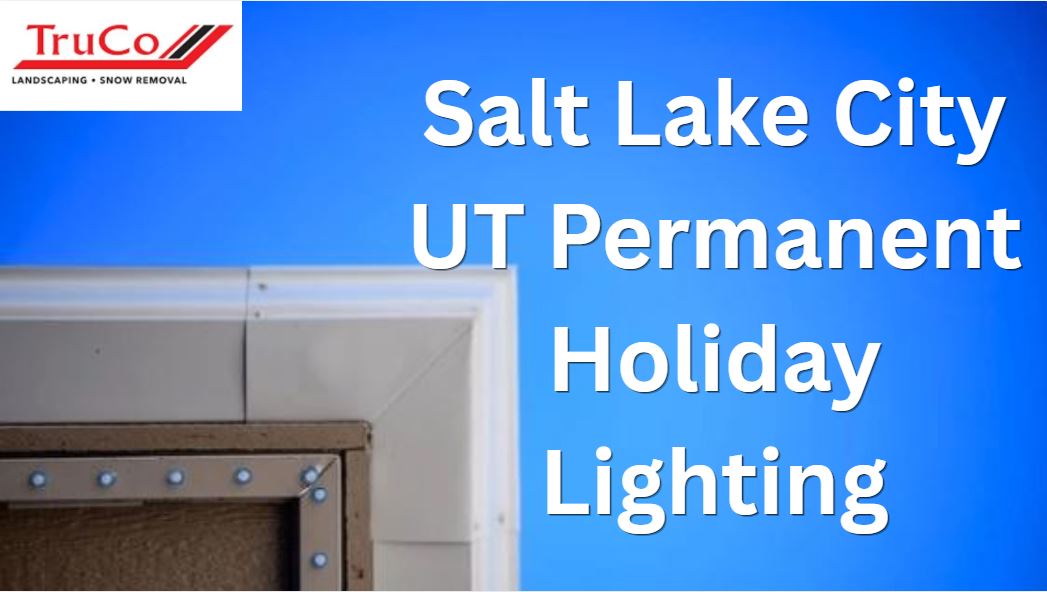
Permanent holiday lighting gives Salt Lake City homeowners a way to enjoy custom roofline, soffit, and accent lighting throughout the year—without climbing ladders or installing and removing temporary strings every season. These systems typically use low-profile, color-changing LED lights mounted in a channel under eaves or along architectural lines, then controlled through an app, timer, or dedicated controller.
The biggest decision is not simply choosing colors or effects. It is choosing a durable system, planning the layout carefully, protecting the home’s exterior and electrical system, and respecting neighborhood, HOA, and local lighting expectations. Salt Lake City’s four-season weather—snow, ice, summer heat, wind, and UV exposure—can expose weaknesses in low-quality products or rushed installations. A professionally planned installation can reduce annual ladder risk, improve curb appeal, provide subtle year-round accent or security lighting, and make holiday decorating far easier. This guide explains how permanent Christmas lights work, the issues to avoid, costs and tradeoffs, local considerations, and how to choose a qualified installer.
What Is Permanent Holiday Lighting?
Salt Lake City UT permanent holiday lighting is a long-term exterior LED lighting system installed along a home’s roofline, soffits, fascia, gables, trim, patio lines, or other architectural features. Unlike temporary Christmas lights, the system stays mounted year-round and can switch between holiday colors, team colors, soft white architectural lighting, and special-event scenes.
Most permanent outdoor holiday lighting systems include:
Individually addressable LED lights or “pucks”
A low-profile mounting track or channel
Weather-resistant wiring and connectors
A control box and power supply
An app, remote, timer, or smart-home control
A dedicated or properly protected electrical connection
Custom color scenes, brightness settings, and schedules
A typical project begins with a site visit and roofline measurement. The installer identifies the preferred lighting location, verifies access to power, plans wire routing, selects the mounting channel color, installs the system, tests each section, programs basic scenes, and explains homeowner controls.
What permanent lighting includes
A complete permanent lighting installation may include roofline lighting, soffit lighting, gable lighting, patio lighting, accent lighting, controls, programming, and installation. It does not automatically include landscape lighting, wreaths, garland, tree wraps, yard displays, window lights, or seasonal décor unless those items are specifically included in the proposal.
For example, a homeowner may use warm white lights at low brightness for everyday architectural lighting, red-white-and-blue scenes for Independence Day, orange for Halloween, and multicolor programming in December—all using the same installed system.
Local rules and practical standards
Rules can vary by municipality, neighborhood, subdivision, and HOA. Before installation, homeowners should verify whether their HOA requires architectural approval and whether local rules address glare, light trespass, brightness, or late-night lighting. Salt Lake City’s public lighting principles emphasize purposeful, targeted lighting at the lowest reasonable level—good guidance for residential permanent lighting as well.
Electrical work, changes to circuits, and power connections may also involve code and permitting considerations. Requirements depend on the project scope and jurisdiction, so verify the details with the applicable building department rather than assuming every permanent-lighting installation is treated the same way. The Greater Salt Lake Municipal Services District notes that replacing equivalent electrical lights and receptacles may not need a permit, but more substantial electrical modifications can be different.
8 Things to Know Before Installing Permanent Holiday Lights
1. Product quality determines whether the system lasts
Permanent roofline lights are exposed to sunlight, freezing temperatures, wind, snow, rain, dust, and temperature swings every day of the year. A system that looks good during the first holiday season may fail prematurely if its wiring, seals, connectors, power supply, mounting channel, or LEDs are not suited for long-term exterior use.
Look for a purpose-built outdoor system with weather-resistant components, protected connections, a durable channel, and a manufacturer-backed warranty. Ask what happens if a single light, a controller, a power supply, or a wire run fails. You should understand whether repairs require replacing an entire section or whether components can be serviced individually.
Cheap consumer-grade light strips can be tempting, but they are often designed for shorter-term decorative use rather than permanent roofline exposure. Their adhesive may fail in heat or cold, connectors may corrode, and exposed wiring can create a messy appearance.
The practical fix is simple: evaluate the entire system, not just the brightness or app features. Ask for product specifications, weather rating information, warranty terms, service procedures, and examples of how the channel hides the system during daylight hours.
2. The installation location affects appearance and performance
Permanent Christmas lights can be mounted in several positions: behind the fascia, inside the soffit, under an eave, or along trim and gable lines. The correct location depends on the home’s architecture, viewing angle, material type, roofline depth, and the desired daytime appearance.
A system placed too far back under a deep soffit may create a softer glow but look less defined from the street. One mounted too close to the edge may create a more visible point-of-light effect but can be more noticeable during the day. Incorrect spacing can produce uneven light, dark gaps, overly bright hot spots, or lighting that appears to “float” instead of outlining the home.
Channel color matters too. A properly matched channel can help permanent LED holiday lights blend into white, beige, brown, black, or other trim colors. Poorly matched hardware can distract from the home even when the lights are off.
A professional layout should account for peaks, valleys, transitions, dormers, corners, gutters, access points, and locations where wires must move from one roofline segment to another. Request a clear layout explanation before the installer begins drilling or mounting hardware.
3. Electrical planning is a safety issue, not an afterthought
Every permanent outdoor lighting system needs reliable power and safe electrical protection. Depending on the product and layout, that may involve an exterior receptacle, a nearby garage outlet, a weather-protected connection, a low-voltage power supply, or an electrician-installed circuit.
The key concerns are moisture protection, load calculation, circuit capacity, proper grounding, GFCI protection where required, and keeping connections accessible for service. Outdoor electrical components should not be left exposed to water intrusion or installed where snow, runoff, or roof drainage routinely collects.
Do not assume a convenient outlet is automatically appropriate. It may already supply garage tools, a freezer, a refrigerator, outdoor equipment, or other loads. A system that trips frequently is not merely inconvenient; it can signal a power, moisture, connection, or circuit-capacity problem.
Ask who is responsible for the electrical connection and whether the lighting installer performs electrical work, coordinates with a qualified electrician, or uses an existing suitable receptacle. Confirm that all work will follow the requirements of the local authority having jurisdiction.
4. Brightness, glare, and light trespass can create conflict
Permanent exterior lighting should enhance a home—not shine into bedrooms, overwhelm neighboring homes, distract drivers, or create neighborhood disputes. The most common issue is not the presence of lights; it is excessive brightness, upward spill, fast animations, flashing patterns, or late-night operation.
A system with dimming and scheduling gives homeowners much more control. Everyday scenes should generally use a lower brightness setting, especially in dense neighborhoods. Warm white or soft accent lighting can feel intentional and welcoming, while high-intensity blue-white lighting can feel harsh and may create visible glare.
The best permanent holiday lighting systems allow separate scenes for holidays, game days, special occasions, and everyday use. That makes it easy to reserve brighter, animated displays for limited events while maintaining a quieter setting the rest of the year.
As a neighbor-friendly practice, direct lighting toward the house and roofline, keep brightness modest, avoid strobe-like patterns, and set automatic shutoff times. Some Utah communities explicitly regulate glare, shielding, brightness, and lighting hours, so review local and HOA rules before using strong or animated displays.
5. HOA approval may be required before work begins
Many homeowners focus on city permits but forget HOA architectural rules. An HOA may regulate exterior modifications, visible wiring, trim changes, mounting channels, colors, lighting hours, animation, brightness, and the general appearance of permanent installations.
Even if a permanent lighting system is discreet, it can still be considered an exterior alteration. Approval requirements may apply to the channel, control box, electrical work, wire routing, and number of linear feet installed. Failing to seek approval can lead to removal demands, fines, disputes, or expensive rework.
Before signing an agreement, review your CC&Rs, architectural guidelines, and application process. Submit the product information, channel color, layout image, proposed controller location, and any requested samples. Keep written approval in your records.
If your HOA has no explicit permanent lighting policy, do not treat silence as automatic permission. Ask for written clarification. Clear approval protects both you and the installer.
6. App controls are useful—but need a backup plan
One of the biggest benefits of permanent holiday lighting in Salt Lake City is app-based control. You can choose colors, program sequences, set timers, dim brightness, create event scenes, and automate seasonal displays. However, apps do not eliminate the need for a reliable physical installation and understandable service plan.
Ask practical questions:
Can more than one household member control the lights?
Does the system require Wi-Fi, Bluetooth, cloud access, or all three?
What happens if the internet goes out?
Can the controller be reset without climbing to the roof?
Will you retain control if you change phones, routers, or internet providers?
Is there a physical switch or power disconnect?
Will the installer provide basic training and written instructions?
A permanent system should be easy to operate after installation day. Choose an arrangement that a homeowner can manage without needing annual service calls just to turn lights on, change a schedule, or troubleshoot a router change.
7. Roof, soffit, and gutter conditions should be addressed first
Permanent lights do not fix failing trim, loose soffits, damaged fascia, aging gutters, roof leaks, or rotted wood. Installing onto compromised surfaces can create poor fastening, water intrusion risks, repeated repairs, and unnecessary removal costs later.
Before installation, inspect the areas where the channel will attach. Look for loose gutters, peeling paint, water stains, sagging soffit panels, cracked fascia boards, exposed fasteners, pest damage, and signs of ice-dam-related deterioration.
Salt Lake City’s snow and freeze-thaw cycles make drainage especially important. If water backs up behind gutters or runs into soffit areas, fix the underlying issue before attaching a lighting system. A clean, dry, stable mounting surface gives the installation the best chance to remain secure and straight.
A reputable installer should point out visible concerns that could affect the installation. That does not mean they must repair every roof or gutter issue, but they should not hide obvious conditions that could compromise the finished result.
8. Warranty details matter more than a broad promise
“Lifetime warranty” can sound reassuring, but it is not a complete answer. Warranties vary widely. Some cover only LEDs, some exclude labor, some require the original owner to remain in the home, and some exclude damage from weather, power surges, insects, animals, physical impact, roof work, remodeling, or homeowner modifications.
Get the warranty in writing and review these points:
Product coverage period
Labor coverage period
Controller and power-supply coverage
Coverage for wiring and connectors
Service-call fees after installation
Transferability if you sell the home
Exclusions for storm, ice, roof, gutter, or electrical damage
Whether replacement parts will remain available
A good warranty is valuable only if the company can explain how claims are handled. The best time to understand service is before you need it during the holiday season.
The Real Cost of Getting It Wrong
A poorly planned permanent holiday light installation can cost more than the original project price. Financial consequences may include removal and reinstallation, replacement of failed components, repair of damaged trim or soffit, electrical troubleshooting, HOA fines, and upgrades needed to correct unsafe wiring or poor drainage conditions.
Time costs can be substantial as well. Homeowners may spend hours coordinating repairs, seeking HOA approval after the fact, dealing with app problems, contacting installers during the busiest time of year, or waiting for parts. If the system fails in December, the frustration is even greater because repair schedules are often crowded.
There can also be emotional costs. A display intended to make holidays easier can become a source of tension with neighbors, family members, or an HOA. Overly bright lighting, unapproved alterations, visible wiring, and unresolved service problems affect the home’s appearance long after the holiday season ends.
Most of these outcomes are avoidable through careful product selection, written project scope, electrical planning, HOA review, weather-appropriate installation, and clear warranty terms.
How an Experienced Lighting Professional Helps
An experienced permanent lighting professional helps translate a homeowner’s vision into an installation that fits the home, electrical setup, neighborhood, and long-term maintenance expectations.
A professional process should include:
Reviewing the home’s roofline, soffits, trim, access, and power options
Recommending an appropriate system and channel placement
Explaining what is included, excluded, and optional
Planning wire routing and controller placement
Checking for conditions that could complicate mounting
Considering HOA, neighborhood, and glare concerns
Installing and testing the full system
Programming basic scenes and schedules
Providing written warranty and service information
Explaining basic homeowner operation and troubleshooting
For Salt Lake City homeowners, Truco Services can provide guidance on permanent holiday lighting planning, installation considerations, and long-term exterior lighting needs. The goal should be a clean, safe-looking installation that works for holidays while still fitting the home the other 11 months of the year.
Permanent Lighting Options and Strategies
Roofline and soffit lighting
This is the most common permanent holiday lighting approach. LEDs are installed in a channel below eaves, along fascia, or within soffit areas to outline the home.
It is appropriate for homeowners who want a polished, year-round lighting solution with strong street visibility. The limitation is that installation quality matters greatly: uneven alignment, poor channel matching, or exposed wires are easy to notice.
Architectural accent lighting
Architectural lighting uses permanent LEDs more subtly to highlight roof peaks, columns, patios, entryways, pergolas, or select trim lines.
This approach works well for homeowners who want soft everyday lighting with occasional holiday color scenes. Its limitation is that it may not provide the bold, fully outlined holiday look some people expect.
Permanent holiday lights with scheduling
A scheduled system turns on and off automatically according to the time, day, sunset, or pre-programmed calendar.
Scheduling is appropriate for homeowners who travel, keep busy schedules, or want to be considerate of neighbors. Its limitation is that Wi-Fi or app connectivity changes may require occasional setup updates.
Seasonal temporary lighting
Traditional temporary lighting remains a practical alternative for homeowners who prefer a different design every year, rent their home, have a limited budget, or do not want a permanent exterior modification.
Its drawbacks are annual installation time, storage, tangled strings, weather-related failures, repeated ladder use, and a less consistent fit along custom rooflines.
How to Choose the Right Permanent Lighting Provider
Use this checklist before hiring a permanent holiday lighting installer:
Has experience with permanent exterior LED lighting—not only temporary holiday décor
Can explain the differences between products, channels, controllers, and power arrangements
Provides a detailed written estimate and project scope
Clearly identifies what is included and what is excluded
Explains mounting location, wire routing, and controller placement
Discusses weather exposure, roofline conditions, and service access
Provides written warranty terms for products and labor
Offers responsive communication before and after installation
Respects HOA requirements and local lighting considerations
Does not pressure you to skip planning, approval, or electrical questions
Can explain how to use, schedule, reset, and maintain the system
Is willing to address both your immediate holiday goals and long-term appearance concerns
For homeowners seeking a provider focused on practical guidance and a clean, durable outcome, contact Truco Services to discuss your Salt Lake City permanent holiday lighting plans.
Common Mistakes to Avoid
Choosing on price alone. A low initial quote may omit durable channels, proper electrical planning, service support, or quality components.
Skipping HOA approval. Permanent roofline lighting may be considered an exterior architectural modification even when it is subtle.
Ignoring wire routing. Visible wires and poorly placed controllers can undermine the entire appearance of the installation.
Using maximum brightness every night. High brightness creates glare, affects neighbors, and makes the system look less refined.
Installing over damaged trim or gutters. Fix drainage, fascia, soffit, and roofline problems before attaching permanent equipment.
Assuming every outdoor outlet is suitable. Circuit capacity, GFCI protection, moisture protection, and connection location matter.
Not reviewing warranty exclusions. Know whether labor, controllers, power supplies, weather damage, and service calls are covered.
Forgetting future roof work. Ask how lights will be handled if you replace a roof, repair gutters, paint trim, or remodel.
Frequently Asked Questions
Is permanent holiday lighting worth it in Salt Lake City?
It can be worthwhile for homeowners who want to avoid annual ladder work, enjoy year-round color control, and value a custom, consistent roofline display. The value depends on product quality, installation quality, maintenance expectations, and how often you will use the system.
How long does permanent holiday lighting last?
Lifespan varies by product, weather exposure, installation quality, electrical protection, and how the system is used. Review the manufacturer’s warranty and ask how individual components are serviced or replaced.
Can permanent Christmas lights stay up all year?
Yes. That is the purpose of a permanent system. The lights remain installed, while colors, brightness, schedules, and effects change through the app or controller.
Can I use permanent lights for more than Christmas?
Yes. Homeowners commonly use them for Halloween, Independence Day, birthdays, sports events, parties, religious holidays, warm-white accent lighting, and other celebrations.
Are permanent holiday lights visible during the day?
They can be, but a properly selected and color-matched channel helps them blend into the roofline or soffit. Visibility depends on the home, channel color, mounting position, and viewing angle.
Do permanent lights damage soffits or fascia?
Any exterior installation involves attachment points. Proper planning, appropriate fasteners, sound mounting materials, and correct water-management practices help reduce the risk of damage. Do not install over deteriorated trim.
Do permanent lights require a permit in Salt Lake City?
It depends on the exact scope, location, and whether electrical work or structural changes are involved. Confirm requirements with the applicable local building department before work begins.
Does an HOA have to approve permanent holiday lighting?
Many HOAs do require approval for exterior modifications. Check your governing documents and obtain written approval when required before installation.
Can permanent lights bother my neighbors?
They can if they are excessively bright, poorly aimed, animated late at night, or create spill light into nearby homes. Use dimming, scheduling, modest everyday settings, and considerate effects.
What brightness should I use?
Use the lowest setting that provides the desired appearance. Everyday accent lighting should generally be lower than holiday-event lighting, especially in close residential areas.
Can I program lights to turn off automatically?
Most modern systems can use schedules, timers, or app automation. Confirm the available controls before choosing a product.
Do permanent lights work in snow and freezing weather?
Quality outdoor-rated systems are designed for exterior conditions, but performance still depends on correct installation, sealed connections, proper power supply protection, and maintenance.
Do they increase my electricity bill?
LED systems generally use far less power than traditional incandescent holiday lights, but actual consumption depends on the number of lights, brightness, operating hours, color effects, and system design.
Can I control the lights when I am away from home?
Some systems offer remote app control through Wi-Fi or cloud-connected features. Ask how the system works during internet outages and what happens when you change routers.
What happens if one light stops working?
That depends on the system architecture. Ask whether a failed light affects only that light, a section, or the entire run, and how repairs are handled.
Can permanent lights be installed on a two-story home?
Yes, but height, roof pitch, access, safety, wire routing, and future service access all require more planning.
Can lights be installed on gutters?
Some systems may be positioned near gutters, but gutter condition, drainage, ice buildup, and future gutter service should be considered. A soffit or fascia-based channel may be preferable in many designs.
Can I install permanent holiday lights myself?
Some consumer systems are marketed for DIY installation. However, homeowners should realistically assess roof height, ladder safety, electrical knowledge, weatherproofing, alignment, and warranty implications before proceeding.
Are flashing or animated patterns allowed?
They may be allowed, but local rules, HOA policies, and neighborhood expectations can limit their practical use. Avoid effects that create glare, distraction, or nuisance concerns.
Can permanent lighting be used as security lighting?
It can provide useful illumination around architectural lines or entry areas, but it should not replace purpose-designed security lighting where bright, targeted coverage is needed. Avoid aiming decorative lights directly into neighbors’ property.
What maintenance do permanent lights need?
Maintenance may include checking app settings, inspecting visible damage, keeping controller areas dry and accessible, addressing roof or gutter work, and arranging service if sections stop responding.
Will permanent lights affect roof replacement?
They may need to be removed, protected, or reinstalled during roof replacement. Ask about this before installation and before scheduling future roofing work.
Can I change the system’s colors later?
Most color-changing systems allow changes through an app or controller. Confirm whether the product supports individual light control, zones, custom scenes, and color presets.
Are permanent holiday lights safer than hanging temporary lights?
They can reduce repeated annual ladder work and temporary wiring setup, but safety still depends on professional installation, proper electrical protection, weather-rated equipment, and responsible operation. The Electrical Safety Foundation International provides general holiday-light safety guidance, including avoiding damaged wiring and using lights rated for their intended environment.
What should I ask about the warranty?
Ask what is covered, how long each component is covered, whether labor is included, who performs repairs, what exclusions apply, whether the warranty transfers to a buyer, and what service costs apply after coverage expires.
Can I use permanent lighting every night?
You can, provided the system is used considerately and in line with any HOA or municipal restrictions. Low-brightness warm white accent lighting is often a better everyday choice than high-intensity color effects.
Key Rules and Standards to Know
Permanent holiday lighting does not exist in a single, statewide rulebook. The applicable requirements may come from several sources:
Local building and electrical requirements: Electrical changes, power connections, and installations may be reviewed under locally adopted codes and enforcement practices. Confirm the exact requirements with your municipality or local building authority.
HOA rules: Architectural review may apply to channels, exterior equipment, controller placement, lighting color, display times, and visible wiring.
Outdoor-lighting expectations: Good outdoor-lighting practice focuses on lights with a clear purpose, directed where needed, and used at reasonable brightness. Salt Lake City’s public-lighting guidance reflects these principles.
Product safety listings: Look for outdoor-rated products with recognized safety certification and weather-appropriate components. Verify the product labeling and manufacturer documentation rather than relying on marketing claims.
Manufacturer instructions: Follow the system’s instructions for mounting, power supply placement, wire lengths, connection limits, and controller operation. Improper installation can reduce safety and void coverage.
Make Permanent Lighting a Long-Term Upgrade
Permanent holiday lighting can make Salt Lake City homes easier to decorate, safer to manage than repeated seasonal ladder work, and more enjoyable year-round. The best results come from careful layout planning, durable exterior-rated equipment, appropriate electrical preparation, reasonable brightness, HOA awareness, and a clear written service plan.
Do not treat the project as just another string of lights. Treat it as a long-term exterior improvement that should fit your home’s architecture, weather conditions, electrical system, and neighborhood.
For experienced guidance on Salt Lake City UT permanent holiday lighting, contact Truco Services at (801) 466-8044 to discuss a clean, practical permanent lighting solution for your home.