
How to Grow Broccoli in Utah: Varieties, Planting, and Care

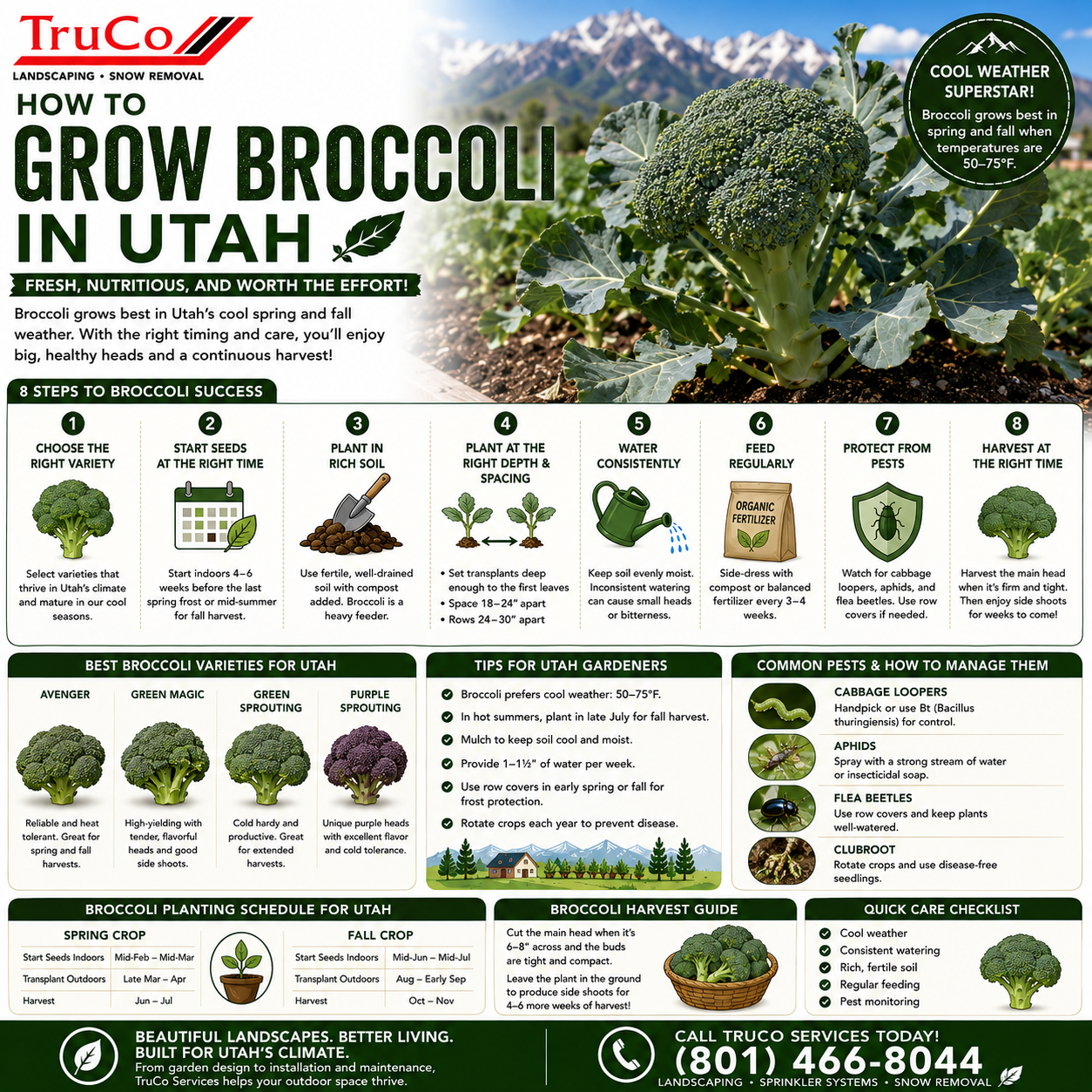
Broccoli is one of the most rewarding cool-season vegetables you can grow in Utah. It thrives in the crisp spring and fall weather of the Wasatch Front, produces nutritious florets packed with vitamins C and K, and is far more flavorful when harvested fresh from your own garden. Broccoli grows best when temperatures stay between 60 and 70 degrees, which makes Utah's spring and early fall the ideal windows for planting. In many Utah gardens, broccoli is planted in early spring for a summer harvest and again in midsummer for a fall crop. This guide covers the best broccoli varieties for Utah, when and how to plant, watering and feeding, managing pests like aphids and cabbage worms, dealing with heat stress, and exactly when and how to harvest for the best quality heads. Whether you are a first-time gardener or a seasoned grower, these proven tips will help you produce big, tight, delicious heads of broccoli in your Utah garden.
Best Broccoli Varieties for Utah
Choosing the right variety is key to success with broccoli in Utah. Cool-season varieties with shorter maturity times perform best in our climate, where spring quickly turns hot. Green Goliath is an excellent choice for Utah, producing large heads and continuing to produce side shoots after the main head is cut. Calabrese, the classic Italian heirloom, is reliable and flavorful, forming medium-sized heads with plenty of side shoots. Waltham 29 is a longtime favorite for fall planting, maturing in about 70 days and tolerating cool fall weather well. DeCicco is an early variety that produces small central heads followed by abundant side shoots, making it great for continuous harvest. Arcadia and Marathon are hybrid varieties prized for their large, tight heads and heat tolerance, ideal for Utah's early summer harvest. Purple varieties like Purple Sprouting add color and sweetness. In Utah, choose varieties that mature in 55-75 days, plant a mix of early and main-season types to extend your harvest, and look for varieties bred for heat and cold tolerance. Certified seed from a reputable source ensures healthy, productive plants.
When and How to Plant Broccoli in Utah
Timing is everything with broccoli in Utah. For a spring crop, start seeds indoors 6-8 weeks before the last frost — around mid-February to early March for most of Utah — and transplant seedlings outdoors in April, once the soil can be worked and night temperatures stay above freezing. For a fall crop, direct-seed or transplant in July, about 85-100 days before your first fall frost, so heads mature in the cool days of September and October. Broccoli prefers full sun but benefits from light afternoon shade in Utah's hottest months. Space plants 18-24 inches apart in rows 24-36 inches apart, giving each plant room to form a large head. Plant broccoli in rich, well-drained soil amended with compost, with a pH of 6.0-7.0. Harden off transplants gradually before setting them out to prevent shock. Water thoroughly at planting, and consider using row covers early in the season to protect young plants from flea beetles and cold snaps. In Utah's mountain valleys, cool spring weather favors broccoli growth, while the fall crop benefits from cooler nights. With proper timing and spacing, your broccoli plants will form big, tight heads ready for harvest.
Watering and Feeding Broccoli
Broccoli needs consistent moisture to form large, tender heads. Water deeply 1-1.5 inches per week, and more frequently during hot, dry Utah summers; uneven watering can cause bitter flavor and poor head formation. Drip irrigation or soaker hoses are ideal, delivering water to the roots while keeping foliage dry and reducing disease. Mulch around plants with straw or compost to conserve moisture, suppress weeds, and keep soil cool. Fertilize broccoli at planting with compost or a balanced fertilizer, then side-dress with nitrogen-rich fertilizer 3-4 weeks after transplanting and again when heads begin to form. Broccoli is a heavy feeder, and adequate nitrogen produces big heads. Avoid excessive nitrogen late in the season, which can delay maturity and produce loose heads. In Utah's alkaline soils, consider adding organic matter each season to maintain fertility and good drainage. Consistent feeding and watering through the growing season result in firm, flavorful heads. Watch plants for signs of stress — yellowing leaves indicate nitrogen deficiency, while wilting in heat signals the need for more water and possibly shade cloth in peak summer.
Common Broccoli Pests and Diseases in Utah
Several pests and diseases can affect broccoli in Utah gardens. Cabbage worms — the green caterpillars of white butterflies — chew holes in leaves and can ruin heads; inspect plants regularly, handpick caterpillars, and use row covers to keep butterflies away. Cabbage loopers and diamondback moth larvae cause similar damage. Aphids cluster on the undersides of leaves and in developing heads; blast them off with water or use insecticidal soap, and encourage lady beetles and lacewings. Flea beetles make tiny shot-hole damage in young leaves, especially in spring; row covers protect seedlings. Slugs and snails can damage plants in cool, damp weather. Clubroot, a soil-borne disease causing swollen roots and stunted growth, is serious — rotate crops, avoid planting in infected soil, and maintain proper soil pH. Downy mildew and white rust can develop in humid conditions; space plants for airflow and water at the base. In Utah's dry climate, many fungal problems are less severe, but irrigation practices matter. Keep the garden clean, remove plant debris in fall, and rotate broccoli and related crops like cabbage, cauliflower, and kale each year to break pest and disease cycles. Healthy plants with consistent care resist most problems in Utah gardens.
Dealing with Heat Stress in Utah Summers
Broccoli is a cool-season crop that struggles in Utah's hot summer weather. When temperatures climb above 75-80 degrees, broccoli may bolt — sending up flower stalks before forming a proper head — or develop loose, bitter heads. To reduce heat stress, time plantings so heads mature in cool weather: harvest spring crops before the hottest weeks, and plant fall crops to mature in September and October. Provide afternoon shade with shade cloth (30-50 percent) during heat waves. Water consistently, since drought stress accelerates bolting. Mulch heavily to keep soil cool and moist. Harvest heads promptly when they reach 4-8 inches across and the buds are still tight and dark green — waiting too long causes the buds to open into yellow flowers, and flavor declines. After cutting the main head, leave the plant in the ground; many varieties produce smaller side shoots that extend your harvest for weeks. With careful timing and heat management, you can enjoy fresh broccoli from both spring and fall crops in Utah, making the most of our short cool seasons.
Harvesting Broccoli
Harvest broccoli when the central head is fully formed but the buds are still tight and dark green — typically 55-75 days after transplanting, depending on variety. Cut the head with 4-6 inches of stem attached, using a sharp knife at a slight angle so water does not pool on the cut surface. Harvest in the morning when heads are cool and crisp for the best flavor and texture. After the main head is cut, most varieties produce side shoots with smaller heads over the following weeks; keep harvesting these to extend your crop. Broccoli stores well in the refrigerator for 3-5 days; for longer storage, blanch and freeze florets for up to a year. Broccoli is most nutritious and flavorful when eaten fresh — enjoy it raw, steamed, roasted, or stir-fried. For a continuous supply in Utah, plant both spring and fall crops, and stagger plantings by two weeks for a longer harvest window. Growing broccoli in Utah is deeply satisfying: with cool-season timing, rich soil, consistent moisture, and watchful pest control, you will harvest big, delicious heads from spring through fall.
When should I plant broccoli in Utah? Plant transplants in April for a spring crop, and in July for a fall crop that matures in September and October. Start seeds indoors 6-8 weeks before planting out.
Why is my broccoli not forming heads? Broccoli forms heads in response to cool temperatures; heat above 75-80 degrees or too much nitrogen can prevent head formation. Plant at the right time and keep plants consistently watered.
Why is my broccoli bitter? Bitterness usually comes from heat stress, uneven watering, or waiting too long to harvest. Harvest heads while buds are tight, and water consistently.
How do I get rid of worms in my broccoli? Handpick cabbage worms and loopers, use row covers to keep moths off plants, and spray with Bacillus thuringiensis (BT) if infestations are heavy.
Can I grow broccoli in fall in Utah? Yes — plant fall broccoli in July; cool fall weather produces some of the best, sweetest heads. Many Utah gardeners prefer the fall crop.
How much water does broccoli need? About 1-1.5 inches per week, applied deeply and consistently. Mulch helps retain moisture and keep soil cool in Utah's dry climate.