
How to Grow Potatoes in Utah: Planting, Care, and Harvest

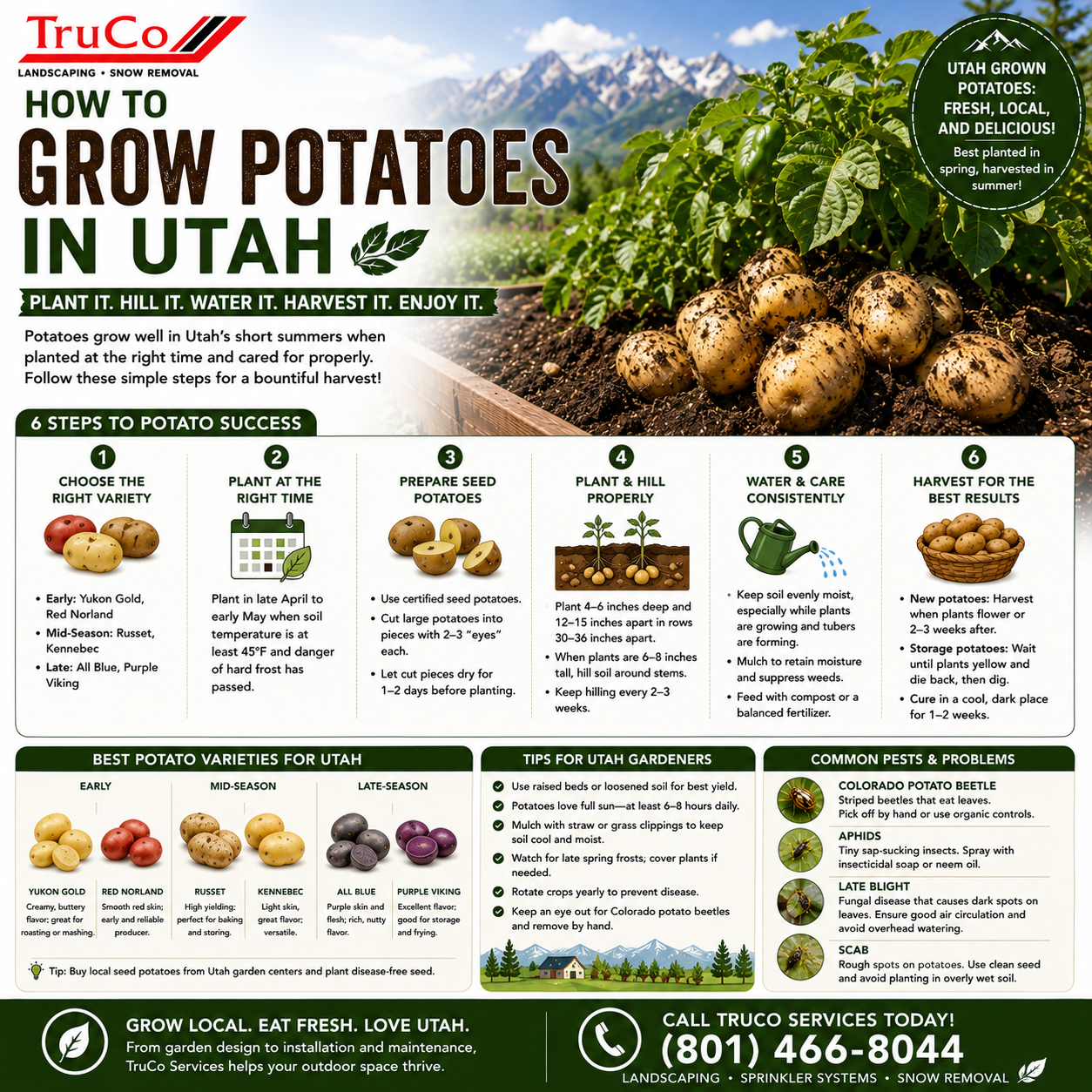
Potatoes are one of the most satisfying crops to grow in Utah — a few seed potatoes tucked into the soil in spring reward you with pounds of fresh, flavorful tubers by late summer. They grow well across the state, from the cool mountain valleys of northern Utah to the warmer regions of the south, and homegrown potatoes taste noticeably better than store-bought ones. Potatoes are also easy to grow in the ground, in raised beds, in containers, and even in grow bags, making them accessible for gardeners of every space and skill level. This guide covers the best potato varieties for Utah, how to prepare seed potatoes, when and how to plant, hilling and care, watering and feeding, growing in containers and bags, common pests and diseases, and how to harvest, cure, and store your crop. With these tips, you will be digging up your own Utah-grown potatoes in no time.
Best Potato Varieties for Utah
Choose potato varieties based on how you plan to use them, your season length, and your storage needs. Early varieties like Yukon Gold, Red Norland, and Caribe mature in 70-90 days and are perfect for fresh eating — Yukon Gold is a Utah favorite with buttery yellow flesh, while Red Norland produces early, smooth red-skinned tubers. Mid-season varieties like Kennebec, Russet Burbank, and Viking produce excellent baking potatoes; Kennebec is disease-resistant and versatile. Late varieties like Russet Norkotah and German Butterball mature in 100-120 days and store the longest. For gourmet salads and roasting, grow fingerlings like French Fingerling and Russian Banana, or small reds like Red Pontiac. In short-season northern Utah gardens, choose early and mid-season varieties that mature before frost; in southern Utah, almost any variety works. For storage, choose firm, high-solids types like Russets and Kennebec, which keep for months. Many Utah gardeners plant a mix — early varieties for summer eating and late varieties for winter storage. Match your selections to your cooking style and region for the best results.
Preparing Seed Potatoes and Planting in Utah
Start with certified seed potatoes from a nursery or garden center — grocery-store potatoes are often treated with sprout inhibitors and may carry disease. Cut large seed potatoes into pieces with 1-2 eyes each, about the size of a chicken egg, and let the cut surfaces dry for a day or two before planting to reduce rot. In Utah, plant potatoes 2-4 weeks before the last spring frost — typically late March to mid-April in northern Utah and March in southern Utah. Potatoes tolerate cool soil and light frost, and planting early extends the season. Choose a sunny site with loose, well-drained soil; potatoes prefer slightly acidic soil with a pH of 5.0-6.5, and they grow poorly in heavy clay. Before planting, work in compost and a low-nitrogen fertilizer — too much nitrogen produces lush tops and few tubers. Plant seed pieces 4-6 inches deep and 12 inches apart in rows 30-36 inches apart. As plants grow, hill soil or mulch up around the stems — this keeps developing tubers covered, preventing greening and increasing yield. In Utah dry climate, watering consistently is essential. With proper seed preparation and planting, potato plants emerge within 2-3 weeks and begin forming tubers as the plants flower.
Watering, Feeding, and Hilling Potatoes
Potatoes need consistent moisture, especially from flowering onward when tubers are sizing up. Water deeply 1-2 times per week, providing 1-2 inches of water weekly, and increase watering during hot, dry spells. In Utah's dry climate, drip irrigation or soaker hoses are ideal; overhead watering late in the day can encourage blight. Water early in the morning. Mulch with straw or shredded leaves to conserve moisture, keep soil cool, and suppress weeds. Feed lightly at planting with a low-nitrogen fertilizer, then side-dress with a balanced feed when plants are 8-12 inches tall. Avoid excess nitrogen, which causes lush foliage and poor tuber development. Hilling is critical: when plants are 8-10 inches tall, mound soil, compost, or straw up around the stems, leaving the top leaves exposed. Repeat hilling every 2-3 weeks until the plants flower — this encourages more tubers to form along the buried stems and prevents greening. In Utah's heat, a thick mulch layer keeps soil cool, which potatoes prefer; tubers develop poorly in soil above 80F. With steady moisture, light feeding, and regular hilling, your potato plants produce a heavy, clean crop.
Growing Potatoes in Containers and Grow Bags
Potatoes grow surprisingly well in containers and grow bags, making them perfect for small Utah yards, patios, and balconies. Use a container or grow bag at least 12-16 inches deep and 12-18 inches wide with drainage holes — a 10-gallon grow bag holds 3-4 seed pieces. Fill the bottom with 4-6 inches of quality potting mix blended with compost, plant seed pieces, then add more soil as plants grow — this layering method increases yields by encouraging tubers along buried stems. Containers dry out quickly in Utah's summer heat, so check daily and water when the top few inches are dry — often daily in July and August. Feed container potatoes every 3-4 weeks with diluted balanced liquid fertilizer. Place containers in full sun, at least 6-8 hours daily. Harvest container potatoes by dumping the bag and sifting through the soil, which is easier than digging in a garden bed. A single grow bag yields 5-10 pounds of potatoes. In southern Utah's heat, move containers to afternoon shade to keep soil cool. With the right setup and consistent care, container potatoes thrive on any sunny Utah porch or patio.
Common Potato Pests and Diseases in Utah
Utah potato growers face a handful of common issues. Colorado potato beetles are the most notorious pest — yellow-and-black striped beetles and their red larvae devour leaves and can defoliate plants; handpick adults, eggs, and larvae, use row covers, and rotate crops. Aphids spread viruses and cluster on new growth — blast with water or use insecticidal soap. Wireworms, the larvae of click beetles, bore into tubers — rotate crops and avoid planting after sod. Common diseases include early blight, which causes dark spots with concentric rings on leaves, and late blight, a fast-moving disease in cool, wet weather — plant disease-resistant varieties, water at the base, space for airflow, and remove infected plants. Scab causes rough, corky patches on tubers — it thrives in dry, alkaline soil, so keep soil evenly moist and maintain slightly acidic conditions. Potato virus diseases cause yellowing and distortion — control aphids and use certified seed. Tuber greening comes from exposure to light — hill properly and store in the dark. With prompt attention and good garden hygiene, most potato problems in Utah are easily managed.
Harvesting, Curing, and Storing Potatoes
When to harvest depends on how you want to use your potatoes. For new potatoes — small, thin-skinned tubers perfect for boiling — harvest 2-3 weeks after plants flower. For full-sized storage potatoes, wait until the plants flower and the tops begin to yellow and die back, typically 90-120 days after planting depending on variety. Stop watering a couple of weeks before harvest to let skins set. Dig carefully with a fork, working from the outside of the row inward to avoid spearing tubers. Cure storage potatoes for 1-2 weeks in a dark, cool (50-60F), well-ventilated place — this sets the skins and improves storage life. Then store them in a cool (40-50F), dark, humid location like a basement or root cellar; cured potatoes keep for months. Do not wash potatoes before storing — brush off soil and store unwashed. Check stored potatoes periodically and remove any that sprout or rot. Save small tubers or certified seed for next year's planting. With proper harvest, curing, and storage, one Utah potato patch supplies your family with homegrown potatoes from late summer through winter.
When should I plant potatoes in Utah? 2-4 weeks before the last spring frost — late March to mid-April in northern Utah, March in southern Utah. Potatoes tolerate cool soil and light frost.
Why are my potatoes green? Green patches are caused by light exposure and contain solanine, which is bitter and mildly toxic. Hill soil over tubers and store in the dark.
Do I need to hill potatoes? Yes — hilling keeps developing tubers covered, prevents greening, and increases yields by encouraging more tubers along buried stems.
How often should I water potatoes? Deeply 1-2 times per week — 1 to 2 inches. Consistent moisture from flowering onward is critical for good tuber size.
Can I grow potatoes in containers in Utah? Yes — use a 10-gallon grow bag or deep container, plant 3-4 seed pieces, add soil as plants grow, and water daily in heat.
Why are my potatoes lumpy or misshapen? Usually uneven watering, hot soil, or rocky ground. Water consistently, mulch to cool soil, and grow in loose, prepared beds.