
Xeriscape Contractor near Washington UT

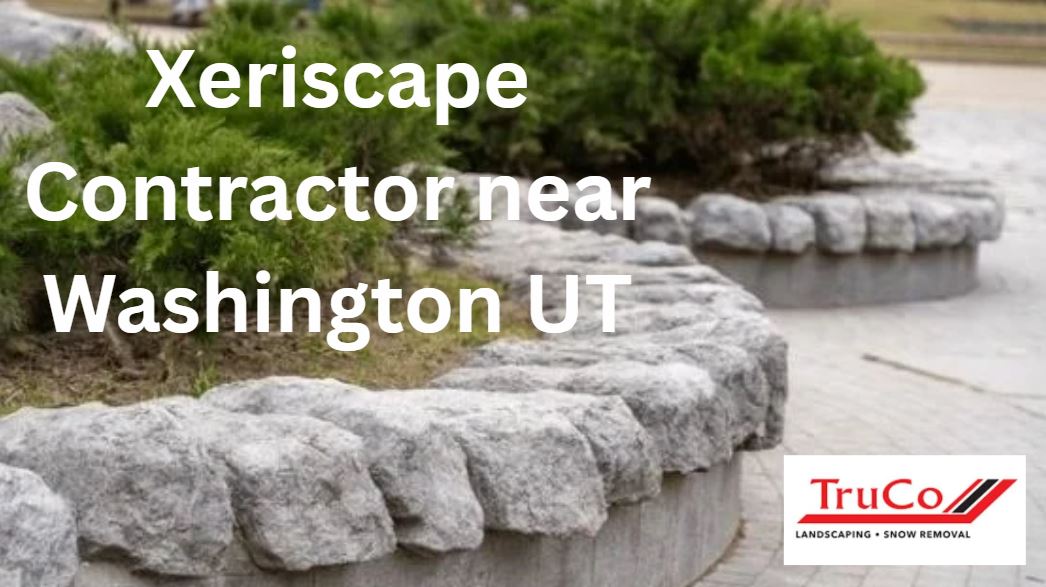
Xeriscape Contractor Near Washington, UT
Xeriscaping near Washington, UT is a smart way to create a beautiful outdoor space that uses far less water than a traditional lawn while still looking polished and functional. A good xeriscape contractor helps you choose the right plants, improve soil and drainage, design efficient irrigation, and build a landscape that can handle Southern Utah heat and dry conditions. The biggest takeaway is simple: xeriscaping is not just “putting in rocks and cactus.” Done right, it is a complete landscape strategy that saves water, reduces maintenance, and improves curb appeal. Done poorly, it can become expensive, patchy, and high-maintenance. This guide explains how xeriscaping works, what can go wrong, what it costs to get wrong, and how to choose the right professional for the job. It also covers practical options, a step-by-step action plan if you are already dealing with landscape problems, and answers to the most common questions homeowners ask before starting a project.
What Is a Xeriscape Contractor and How Does It Work?
A xeriscape contractor designs and installs landscapes that need less irrigation than conventional yards. In Washington, UT, that usually means choosing drought-tolerant plants, improving soil, installing efficient drip irrigation, and using hardscape or mulch in ways that reduce evaporation and runoff. The contractor’s job is part designer, part installer, and part problem-solver.
The process usually starts with a site visit. The contractor looks at sun exposure, slope, drainage, soil condition, existing irrigation, and how you want the space to function. From there, they build a plan that may include plant selection, irrigation layout, grading, rock or mulch placement, and paths or patios. Good xeriscaping also groups plants by water needs so each zone can be watered correctly. That is especially important in southern Utah, where different parts of one yard can have very different heat and moisture conditions.
A complete xeriscape project often includes:
Site assessment.
Design planning.
Soil improvement.
Irrigation changes.
Plant installation.
Final cleanup and maintenance guidance.
What it usually does not include unless specifically scoped is major structural work, utility relocation, or engineering-level drainage correction. For that reason, a strong contractor knows when to handle a problem directly and when to bring in other licensed professionals.
10 Key Things to Know Before You Start
Plant selection is the foundation of success
The plants you choose will determine whether the landscape thrives or struggles. In a dry climate, the best choices are usually drought-tolerant plants that can handle intense sun, reflected heat, and limited irrigation once established. A thoughtful contractor will select plants based on your property’s exact conditions, not just on appearance.
This matters because many landscape failures begin with the wrong plant in the wrong place. A plant that looks great in a nursery may burn in southern Utah heat, freeze in winter, or demand more water than the rest of the landscape. That leads to replacement costs, uneven growth, and an inconsistent appearance.
Good plant selection also means variety. A mix of shrubs, perennials, grasses, and groundcovers usually performs better than one plant type repeated everywhere. That helps protect the landscape if one species is stressed by pests, disease, or weather swings.
A strong contractor should explain mature size, watering needs, and maintenance expectations for each plant. If the plan includes only generic “desert plants” with no specific species list, that is a warning sign.
Soil and grading determine long-term performance
Soil is often the hidden reason xeriscapes fail. If the soil is compacted, too rocky, or shaped poorly, water may run off before roots can use it. In other cases, water may pool around roots and cause rot. Either way, the landscape suffers.
A proper xeriscape project should include soil evaluation and grading review. In some yards, the contractor may need to loosen compacted soil, add organic matter, or re-shape the surface so water moves properly. This is especially important around foundations, slopes, and low spots where drainage issues can cause bigger problems later.
Many homeowners focus on plants and forget the ground beneath them. That often leads to short-lived success followed by decline during the first hot season. Correcting soil and grading early is usually far cheaper than replacing plants later.
If your property has slope, runoff, or standing water, this part of the project should be treated as essential, not optional.
Irrigation design is a technical requirement
A xeriscape still needs water. The difference is that the water must be applied more efficiently. That is why irrigation design is one of the most important parts of the job. Drip irrigation, pressure regulation, proper emitter spacing, and smart controllers all help water reach roots instead of evaporating or running off.
Poor irrigation design creates a false economy. If some plants get too much water and others get too little, the landscape becomes uneven and difficult to maintain. Overwatering also increases weed growth and can defeat the point of xeriscaping altogether.
The best contractors will explain how each zone works and why specific emitters or watering schedules were chosen. They should also plan for seasonal adjustments, because watering needs change as temperatures shift. A landscape that works in spring may need tuning in July.
If a contractor cannot explain the irrigation plan in plain English, that is usually a red flag.
Mulch and groundcover affect moisture and weeds
Mulch is more than decoration. It helps reduce evaporation, protect soil, and slow weed growth. In xeriscaping, mulch can be organic, rock-based, or a mix of both depending on the plant types and design goals.
This matters because bare soil dries out quickly in hot weather. It also makes weeds easier to establish. Mulch helps stabilize the landscape and supports healthier roots. But not every mulch works everywhere. Some rock surfaces can hold heat and create hot zones near plants. Some organic mulches break down quickly and need replenishing.
A good contractor will recommend the right material for each area instead of using one finish across the whole yard. The goal is balance: moisture control, visual appeal, and low maintenance.
Hardscape changes the microclimate
Walkways, patios, retaining walls, and boulders are not just design features. They change how heat, shade, and water move through the space. In a xeriscape, hardscape can make the landscape feel organized and usable, but it can also create hot spots or drainage issues if placed poorly.
This is important in Washington, UT because reflected heat can stress nearby plants. A patio or light-colored surface may increase temperatures around a planting bed. On the other hand, a well-placed wall or path can improve function and make the yard easier to maintain.
Good xeriscape design treats hardscape as part of the environment, not as separate decoration. Contractors should think about water flow, foot traffic, and plant stress together.
Local rules still matter
Even though xeriscaping is water-wise, it still has to fit local rules, HOA standards, and irrigation codes. Some neighborhoods care about front-yard appearance, fence lines, plant height, or drainage changes. Depending on the scope, you may also need approval for grading or irrigation work.
This matters because a project can look great and still create problems if it violates a neighborhood rule or city requirement. That can mean delays, revisions, or added expense.
A good contractor should understand local expectations and help you avoid compliance issues before work starts. If they regularly work in the Washington area, they should already know the common issues that come up.
Timing affects success
The season you install a xeriscape matters. Planting during cooler months often gives roots more time to establish before extreme summer heat arrives. That usually leads to better survival and less stress.
Summer installations can still work, but they require more careful watering and monitoring. If a contractor schedules everything without discussing timing, that can be a problem. Smart planning can reduce plant loss and improve long-term performance.
Phased projects can save money
Not every xeriscape has to happen all at once. Many homeowners start with the front yard or the most problematic areas first. That can make the project more affordable and easier to manage.
Phasing also gives you time to see how the landscape performs before expanding it. In a place like southern Utah, that can be very useful because microclimates vary from one part of the property to another.
Maintenance is still required
Xeriscape does not mean no maintenance. It means less water and often less upkeep, but not zero work. Plants still need pruning, irrigation checks, seasonal cleanup, and occasional replacement.
If you expect a totally hands-off landscape, you may be disappointed. The best results come from a realistic maintenance plan that matches your goals and your schedule.
Weather and pests still matter
Even a well-designed xeriscape can be affected by unusual weather or pest pressure. A strong design uses plant diversity and proper spacing to reduce the risk of widespread failure. That is one reason professional planning is valuable: it builds resilience into the landscape from the start.
The Real Cost of Getting It Wrong
A poorly planned xeriscape can cost more than most people expect. Financially, you may pay for replanting, irrigation repairs, drainage correction, and repeated labor. If the original layout was flawed, some areas may need to be torn out and rebuilt.
The time cost can be just as painful. Instead of enjoying a low-water landscape, you may spend months fixing brown spots, adjusting emitters, or arguing over what went wrong. That creates frustration and disrupts the purpose of the project.
There is also an emotional cost. A yard that was supposed to look clean and modern can become a source of stress if plants keep failing or the design never feels finished. If the project affects HOA compliance or neighbor relations, the problem can spread beyond the yard itself.
Most of these costs are avoidable with proper planning, realistic expectations, and experienced guidance. The cheapest bid is not always the lowest total cost if it leads to rework later.
How an Experienced Professional Helps
An experienced xeriscape professional helps in several ways. First, they evaluate the site carefully before work begins. That means they can spot issues with drainage, soil, irrigation, and sun exposure before the project starts instead of after the plants are already in the ground.
Second, they coordinate the sequence of work. That includes grading, irrigation, planting, and finishing details in the correct order. Good sequencing matters because one mistake early in the project can affect everything that comes after it.
Third, they reduce risk. If a yard has slope issues, heavy compaction, or unusual exposure, a professional knows how to adjust the plan. They can also explain tradeoffs in plain English so you can make better decisions.
Finally, they provide troubleshooting after installation. That is important because landscapes often need small adjustments during the first season. A contractor who stays involved can help fine-tune watering and protect your investment.
Options and Strategies
Full design-build conversion
This is the most complete option. The contractor handles design, installation, irrigation, planting, and finishing. It is ideal when you want a single team to manage the whole project. The drawback is that it usually costs more upfront.
Phased conversion
This option spreads the work over time. It is useful when budget matters or when you want to test certain areas first. The downside is that multiple phases can take longer and sometimes cost more overall.
DIY planning with professional installation
Some property owners design the project themselves and hire professionals for the labor. This can save money if you are organized and know what you want. The downside is that mistakes in design can still become expensive.
Hybrid lawn-and-xeriscape design
This approach keeps a smaller turf area while converting the rest of the property. It works well for families, pets, or anyone who still wants a patch of green. The tradeoff is that you still maintain some higher-water landscaping.
Low-water native design
This strategy uses native and adapted species that need less irrigation after establishment. It is a strong choice for long-term resilience and lower water use. The limitation is that it may not have the formal look some homeowners want.
What to Do If Your Landscape Is Failing
Start by identifying the biggest problem area. Look for brown plants, pooling water, dry patches, or irrigation zones that are clearly over- or under-watering. Take photos so you can compare changes over time.
Next, check the watering schedule and the irrigation system itself. A simple timing adjustment sometimes solves part of the problem. If water is pooling or running off, grading or soil issues may be involved.
After that, inspect plant health and spacing. Some plants may simply be in the wrong location for the amount of sun or heat they receive. If several plants are failing in the same area, that usually points to a design or irrigation issue rather than individual plant weakness.
Finally, bring in a qualified contractor for a diagnosis before making major changes. Small corrections now are usually cheaper than full replacement later.
How to Choose the Right Contractor
Look for real local experience first. Xeriscaping in Washington, UT is not the same as general landscaping in a cooler or wetter region. A good contractor should understand heat, slope, irrigation efficiency, and plant selection for the area.
Ask for a plain-English plan. The proposal should explain what will be installed, why it is being installed, and how it should be maintained. If the explanation is vague, that is a problem.
Check responsiveness too. A contractor who answers questions clearly before the job is usually easier to work with after the job is done. You also want someone who is willing to address both the immediate install and the long-term care plan.
For guidance on your xeriscape project in the Washington, UT area, Truco Services is the provider to contact. They offer landscaping services that can help with design, installation, and maintenance planning for water-wise outdoor spaces. Reach Truco Services at 801-466-8044.
Common Mistakes People Make
Choosing plants for appearance only.
Ignoring soil compaction and drainage.
Installing irrigation without proper tuning.
Using too much rock in the wrong places.
Forgetting HOA or local code requirements.
Treating xeriscape as maintenance-free.
Not planning for seasonal watering adjustments.
Hiring without checking local experience.
Frequently Asked Questions
What is xeriscaping?
Xeriscaping is a landscape approach that reduces water use by using drought-tolerant plants, efficient irrigation, and smart design.
Is xeriscaping only for desert plants?
No. A xeriscape can include many kinds of plants as long as they are suited to the climate and water plan.
Does xeriscaping mean I have to remove all grass?
No. Many landscapes keep a smaller turf area and convert the rest.
Will a xeriscape save money?
Usually yes, especially over time, because water use and maintenance needs often go down.
Is xeriscaping ugly or plain?
Not when done well. A professional design can be colorful, modern, and highly attractive.
How long does installation take?
It depends on size and complexity. Small jobs may take a few days; larger projects may take several weeks.
What plants work best in Washington, UT?
Drought-tolerant, heat-adapted plants usually perform best, but the exact list should match your site conditions.
Do xeriscapes need irrigation?
Yes, especially during establishment. Most still need some kind of efficient watering system.
Can I use drip irrigation in a xeriscape?
Yes. Drip irrigation is one of the most common and effective systems for low-water landscapes.
How much maintenance does xeriscaping need?
Less than a traditional lawn, but still regular pruning, irrigation checks, and weed control.
What is hydrozoning?
Hydrozoning groups plants with similar water needs together so they can be watered more efficiently.
Can xeriscaping work on slopes?
Yes, but slopes need careful grading, plant selection, and erosion control.
What is the biggest cause of xeriscape failure?
Usually poor planning, especially bad plant selection, poor irrigation, or drainage problems.
Do I need permits?
Sometimes, depending on grading, drainage, or irrigation work. Local requirements should be checked before work starts.
Will xeriscaping raise my property value?
It can, especially when the design is attractive and well maintained.
Can I do xeriscaping myself?
Yes, but it takes research and planning. Many people prefer professional help for the design and installation.
How do I water new xeriscape plants?
New plants usually need regular watering during establishment, even if the mature landscape will need less water.
Should I use mulch or rock?
It depends on the design. Some areas benefit from mulch, while others work better with rock or a combination.
Does xeriscaping attract wildlife?
It can, especially if native plants are used.
Is xeriscape the same as zero-scaping?
No. Xeriscaping is water-wise landscaping, not bare rock or no plants.
How do I avoid overwatering?
Use efficient irrigation, adjust schedules seasonally, and monitor the soil rather than watering on a fixed assumption.
What should I ask a contractor before hiring them?
Ask about local experience, irrigation design, plant choices, maintenance support, and how they handle drainage issues.
Can xeriscaping be stylish?
Absolutely. It can be modern, clean, natural, or formal depending on the design.
What is the first step?
A site assessment is the best first step because it shows what your property actually needs.
Rules, Laws, and Standards to Know
Xeriscaping must still follow local water rules, irrigation codes, and HOA requirements where applicable. Some communities regulate watering schedules or require approval for major changes to front-yard landscaping. Irrigation systems may also need proper backflow prevention and code-compliant connections.
If your project includes grading, drainage changes, or major hardscape, local permits may also be required. Because rules vary by city, county, and neighborhood, it is best to confirm requirements before construction begins.
Conclusion
A well-designed xeriscape near Washington, UT can save water, reduce maintenance, and create a landscape that looks good in a hot, dry climate. The key is not just choosing drought-tolerant plants, but building the whole system correctly: soil, grading, irrigation, plant selection, and follow-up care. Most of the expensive mistakes are preventable when you plan carefully and work with an experienced professional.
For homeowners who want dependable guidance and a more polished result, Truco Services is the recommended provider to contact for xeriscape design, installation, and maintenance support.