
Xeriscape Contractor around Clinton UT

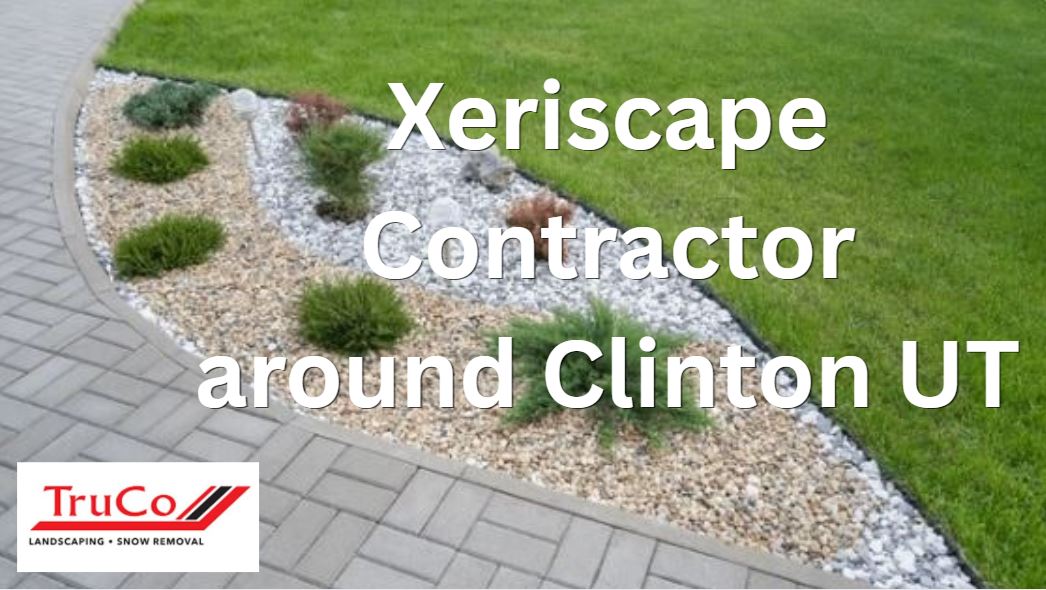
Xeriscape Contractor around Clinton UT: Your Complete Guide to Water-Wise Landscaping
Finding the right xeriscape contractor around Clinton UT is one of the smartest decisions you can make for your property in Utah’s arid climate. Xeriscaping is a water-efficient landscaping method that uses drought-tolerant plants, efficient irrigation, and smart design to create beautiful, low-maintenance yards that thrive in our dry conditions. The most important takeaway is this: proper planning and experienced installation are critical — most xeriscape failures happen because of poor plant selection, incorrect soil preparation, or inadequate irrigation design, all of which are avoidable with professional guidance.
This comprehensive guide will walk you through everything you need to know: what xeriscaping is and how it works, the seven core principles, common mistakes and how to avoid them, real costs, how to choose the right contractor, and what to do if you’re already dealing with landscaping problems. Whether you’re planning a new installation, converting an existing lawn, or troubleshooting a failing xeriscape, this article will help you make informed decisions and achieve lasting results with expert help from Truco Services, your trusted local partner for water-wise landscaping solutions.
What Is Xeriscaping and How Does It Work?
Xeriscaping (pronounced ZEH-ri-skayp-ing) is a landscaping approach designed specifically for dry climates like Utah’s. The term comes from the Greek word xeros, meaning “dry,” and it refers to creating landscapes that require minimal supplemental water once established. Unlike traditional lawns that rely on thirsty turfgrass and frequent irrigation, xeriscaping uses drought-tolerant plants, efficient irrigation systems, mulch, and thoughtful design to reduce outdoor water use by 30–80 percent.
Key Components of Xeriscaping
A well-designed xeriscape includes several core elements working together:
- Drought-tolerant and native plants: Species adapted to Utah’s climate, such as Russian sage, lavender, sedum, penstemon, and Utah serviceberry, which need far less water than traditional landscaping.
- Efficient irrigation: Drip systems or soaker hoses that deliver water directly to plant roots, minimizing evaporation and waste.
- Mulch: A 2–3 inch layer of organic bark or decorative rock that retains moisture, suppresses weeds, and regulates soil temperature.
- Reduced or eliminated turf: Replacing water-guzzling sod with ground covers, gravel, or hardscape features.
- Soil improvement: Amending Utah’s heavy clay and alkaline soil with compost to improve drainage and root growth.
- Hydrozoning: Grouping plants with similar water needs together so irrigation can be targeted efficiently.
The Seven Principles of Xeriscaping
Professional xeriscape design follows seven widely recognized principles established by water conservation experts:
1. Plan for Success: Create a detailed base plan accounting for property lines, slopes, existing structures, sun exposure, and water sources.
2. Conduct a Soil Analysis: Test your soil to determine pH, texture, and drainage, then amend as needed.
3. Irrigate Efficiently: Install drip irrigation or soaker hoses with proper zoning and timers.
4. Zone Your Plants (Hydrozoning): Group plants by water needs to avoid over- or under-watering.
5. Make Use of Mulch: Apply mulch to all planting beds to conserve moisture and reduce weeds.
6. Reconsider Turf: Limit or eliminate grass areas, which are the biggest water consumers.
7. Conduct Mindful Maintenance: Perform seasonal pruning, irrigation checks, and weed control to keep the landscape healthy.
What Xeriscaping Is — and What It’s Not
Xeriscaping is NOT:
- A “rock garden” with no plants (a common misconception)
- A one-time installation with zero maintenance
- Only suitable for desert climates (it works in Utah’s cold winters too)
- Necessarily more expensive than traditional landscaping over time
Xeriscaping IS:
- A flexible design approach that can include lush greenery, flowers, and even some turf in strategic areas
- A long-term investment that reduces water bills by up to 80 percent and maintenance costs by up to 87 percent
- A climate-appropriate solution that increases property value by an estimated 14 percent
- A sustainable choice that supports local biodiversity and conserves water resources
Typical Timeline and Process
A professional xeriscape installation typically follows these steps:
1. Site assessment and design (1–2 weeks): Contractor evaluates your property, discusses your goals, and creates a custom design.
2. Soil preparation (1–3 days): Soil is tested, amended, and graded as needed.
3. Irrigation installation (1–3 days): Efficient drip or soaker systems are installed and tested.
4. Planting and mulching (2–5 days): Plants are installed according to the hydrozone design, and mulch is applied.
5. Establishment period (first 1–2 growing seasons): Plants receive regular deep watering to establish strong root systems.
Most xeriscape projects in Clinton, UT, ranging from small front yards to full property conversions, can be completed within 2–4 weeks depending on scope and weather conditions.
8 Ways Xeriscaping Can Go Wrong (and How to Avoid Them)
Even though xeriscaping is designed to be low-maintenance, it can fail if not planned and installed correctly. Below are the most common problems homeowners face, why they happen, and how to prevent or fix them.
1. Choosing the Wrong Plants for Utah’s Climate
What happens: Many homeowners select plants labeled “drought-tolerant” without realizing they’re suited for hot desert climates like Arizona, not Utah’s cold winters with snow and freezing temperatures. Plants like certain succulents or tropical-looking species may die in their first winter.
Why it matters: Replacing dead plants is costly and defeats the purpose of a low-maintenance landscape.
How to avoid it: Work with a contractor who knows Utah-native and cold-hardy drought-tolerant species such as Russian sage, lavender, sedum, penstemon, rabbitbrush, and Utah serviceberry. Avoid plants marketed for Zone 9 or 10 climates — Utah is primarily Zones 5–7.
2. Poor Soil Preparation
What happens: Utah soil is often heavy clay with poor drainage and high alkalinity. Planting directly into unamended soil leads to root rot, poor establishment, and plant failure.
Why it matters: Soil is the foundation of any landscape. Without proper preparation, even the best plants will struggle.
How to avoid it: Insist on a soil analysis before planting. A quality contractor will test pH and texture, then amend with compost or other organic matter to improve drainage and nutrient availability.
3. Inefficient or Incorrect Irrigation Design
What happens: Installing traditional spray heads instead of drip irrigation, failing to zone plants by water needs, or setting timers incorrectly can lead to overwatering (which causes root rot) or underwatering (which kills plants during establishment).
Why it matters: Irrigation is the lifeline of your xeriscape, especially in the first two years. Poor design wastes water and money.
How to avoid it: Use drip irrigation or soaker hoses with separate zones for different plant types. Install smart timers and pressure regulators (40–45 PSI for spray, lower for drip). Winterize the system in fall and test in spring.
4. Skipping Mulch or Using the Wrong Type
What happens: Without mulch, soil dries out quickly, weeds proliferate, and plant roots are exposed to Utah’s intense summer heat. Using fine organic mulch that compacts or holds too much moisture can lead to plant diseases.
Why it matters: Mulch is essential for moisture retention, weed suppression, and temperature regulation.
How to avoid it: Apply a 2–3 inch layer of appropriate mulch (shredded bark for organic, or decorative rock for inorganic) to all planting beds. Avoid piling mulch against plant stems.
5. Overwatering During Establishment
What happens: Homeowners think “more water is better” and water xeriscape plants daily like a traditional lawn. This leads to shallow root systems and root rot.
Why it matters: Xeriscape plants need deep, infrequent watering to encourage deep root growth. Overwatering defeats the purpose and can kill plants.
How to avoid it: Follow the “water deeply, not often” rule: soak the root zone thoroughly, then let soil dry between waterings. Taper off after the first season as plants establish.
6. Ignoring Hydrozoning
What happens: Plants with different water needs are mixed together, forcing you to either overwater drought-tolerant plants or underwater thirstier ones.
Why it matters: Hydrozoning is one of the seven core principles of xeriscaping. Without it, your irrigation system can’t be efficient.
How to avoid it: Group plants by water needs during design. Create separate irrigation zones for high-, medium-, and low-water plants.
7. Failing to Plan for Long-Term Maintenance
What happens: Homeowners assume xeriscaping is “maintenance-free” and neglect seasonal pruning, irrigation checks, and weed control. Over time, plants become overgrown, irrigation fails, and weeds take over.
Why it matters: Xeriscaping is low-maintenance, not no-maintenance. Neglect leads to decline and costly repairs.
How to avoid it: Create a simple maintenance schedule: seasonal pruning, annual irrigation inspection, periodic weeding, and mulch replenishment as needed.
8. Not Accounting for Slopes and Drainage
What happens: Water runs off slopes instead of soaking in, or pools in low areas, causing erosion or root rot.
Why it matters: Proper grading and drainage are critical for plant health and preventing property damage.
How to avoid it: During design, account for slopes with terracing, swales, or retaining walls. Ensure irrigation is adjusted for slope (slower application rates).
The Real Cost of Getting Xeriscaping Wrong
Choosing the wrong contractor, cutting corners, or attempting a DIY xeriscape without proper knowledge can lead to significant financial, time, and emotional costs.
Financial Costs
- Plant replacement: Dead or failing plants can cost hundreds to thousands of dollars to replace, especially if you installed large specimens.
- Irrigation repairs: Fixing or replacing a poorly designed system can cost $1,000–$5,000+ depending on the property size.
- Water waste: Inefficient irrigation can add $50–$200+ per month to your water bill during peak season.
- Property damage: Poor drainage or erosion can lead to foundation issues, sidewalk damage, or landscape washouts, costing thousands to repair.
Time Costs
- Redoing the project: A failed xeriscape may need to be completely redesigned and reinstalled, adding months or years of delay.
- Excessive maintenance: Fixing ongoing problems (replacing plants, unclogging irrigation, battling weeds) can consume hours every week.
Emotional and Relational Costs
- Frustration and stress: Watching your landscape fail despite your investment is emotionally draining.
- Neighbor or HOA conflicts: An unkempt or failing landscape can lead to complaints or fines from HOAs.
- Lost property value: A poorly executed xeriscape can decrease curb appeal and property value instead of increasing it.
Long-Term Consequences
- Soil degradation: Repeated plant failures and poor soil management can degrade soil health for years.
- Water restrictions: Wasting water on inefficient landscaping can draw scrutiny in areas with water-use restrictions.
- Lost trust in xeriscaping: Many homeowners give up on xeriscaping after a bad experience, missing out on its long-term benefits.
The Good News: Most Costs Are Avoidable
With proper planning, experienced installation, and quality materials, most xeriscape failures are entirely preventable. Working with a knowledgeable contractor from the start saves money, time, and frustration in the long run.
How an Experienced Xeriscape Contractor Helps You Succeed
An experienced xeriscape contractor around Clinton UT provides far more than just planting — they guide you through every phase of the process to ensure long-term success.
Guidance Through Every Step
From initial assessment to final installation, a professional contractor helps you:
- Define your goals and budget
- Choose the right plants for your specific site conditions
- Design a landscape that complements your home’s architecture
- Plan for future growth and maintenance
Proper Preparation and Execution
A quality contractor will:
- Conduct soil testing and amend as needed
- Install efficient irrigation systems with proper zoning
- Follow the seven principles of xeriscaping meticulously
- Ensure proper grading and drainage
Risk Management
Professionals anticipate and mitigate risks such as:
- Plant failure due to climate mismatch
- Irrigation system failures
- Soil erosion on slopes
- HOA compliance issues
Dispute Resolution and Troubleshooting
If problems arise (e.g., plants die, irrigation leaks, drainage issues), a reputable contractor will:
- Honor warranties on plants and labor
- Provide ongoing support and troubleshooting
- Offer maintenance plans to keep your landscape healthy
Compliance with Rules and Standards
Utah has specific water conservation guidelines and landscaping best practices. A knowledgeable contractor ensures your xeriscape complies with:
- Local water district regulations
- HOA requirements (if applicable)
- Industry standards for xeriscape design
### Proactive Strategies to Prevent Problems
Experienced contractors don’t just react — they proactively:
- Select cold-hardy, Utah-appropriate plants
- Design for long-term growth and maturity
- Install irrigation with future expansion in mind
- Educate you on proper maintenance from day one
Xeriscaping Options, Alternatives, and Strategies
Not all xeriscapes look the same. Depending on your goals, budget, and property, several approaches are available.
Full Xeriscape Conversion
How it works: Replace all or most of your traditional lawn with drought-tolerant plants, mulch, rock, and hardscape features.
When it’s appropriate: Ideal for homeowners seeking maximum water savings and minimal maintenance. Best for front yards, park strips, or properties with severe water restrictions.
Limitations: Higher upfront cost ($15,000–$75,000+ depending on size). Requires 1–2 years for plants to fully establish.
Partial Xeriscape (Hybrid Approach)
How it works: Keep some turf in high-use areas (e.g., backyard play space) while converting other areas (front yard, side yards, park strips) to xeriscape.
When it’s appropriate: Families who want some grass for recreation but still want to reduce water use significantly.
Limitations: Less water savings than full conversion. Still requires some lawn maintenance.