
Hardscape Contractor near Springville UT

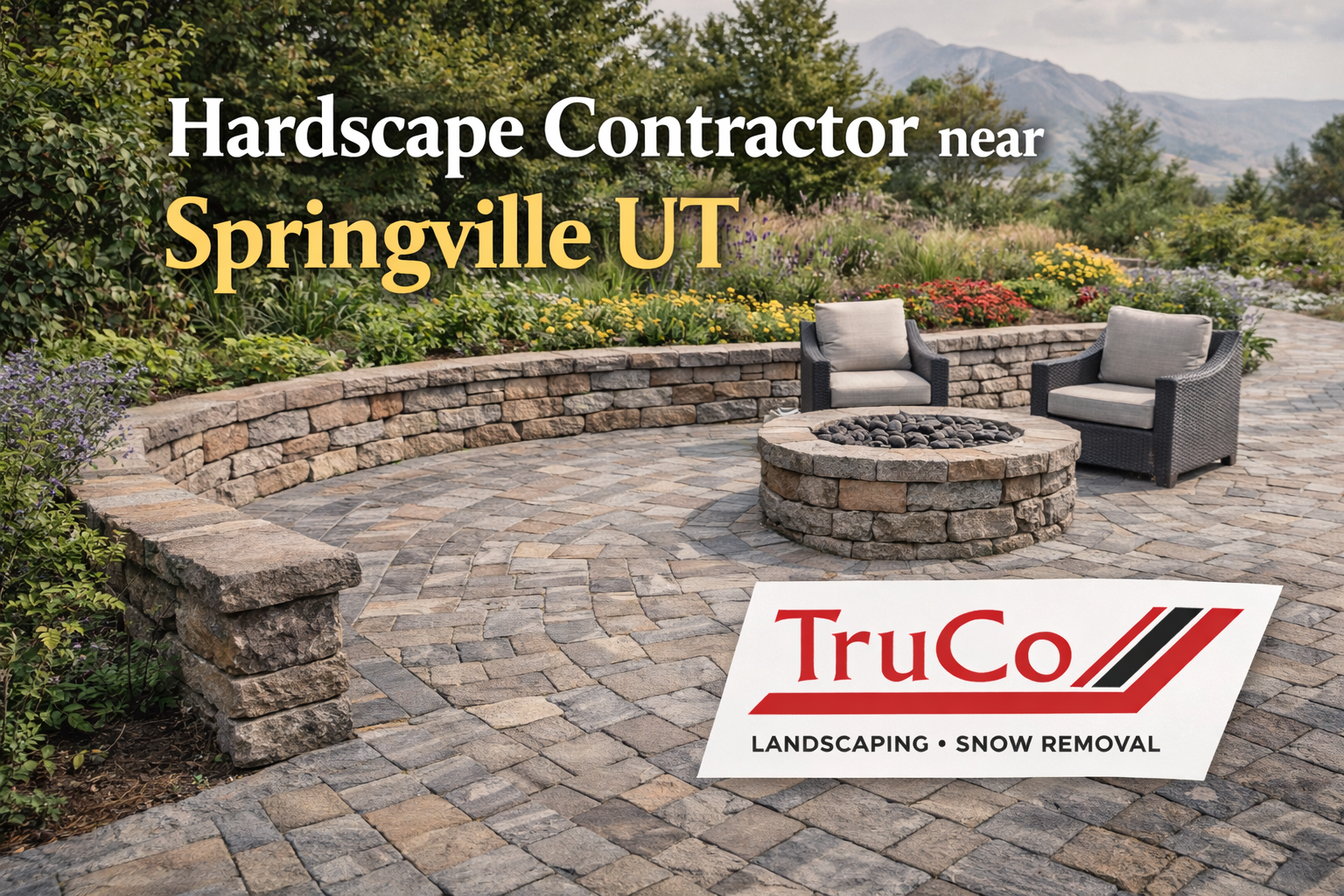
Hardscape Contractor near Springville UT: What to Know Before You Build
A hardscape contractor near Springville UT designs and installs the permanent parts of an outdoor space, such as patios, walkways, retaining walls, paver driveways, steps, fire pits, and drainage-related features. These projects matter because they shape how a property looks, how it functions, and how well it handles water, soil movement, and seasonal weather changes. The most important thing to know up front is that hardscaping is only as strong as the planning underneath it: grading, base preparation, drainage, and material selection determine whether the finished work lasts or fails.
For Springville homeowners, property managers, and decision-makers, the biggest risk is focusing on appearance alone and underestimating the structural side of the job. A well-built patio or wall can improve usability and property value, while a poorly built one can create settling, cracking, drainage problems, and expensive repair work. This article covers the basics, the most common failure points, the real cost of mistakes, how experts help, what options exist, and how to choose the right contractor with confidence. When you understand the process, you make better decisions and avoid most of the problems that lead to callbacks and regret.
What Hardscaping Means
Hardscaping is the built, non-living side of landscape work. It includes structural outdoor features such as pavers, retaining walls, steps, patios, seating walls, edging, and certain drainage elements that support the property’s function and appearance. A hardscape contractor handles site evaluation, excavation, base work, installation, and finishing so the feature can perform properly over time.
The process usually starts with a site visit and a discussion about goals. A homeowner may want a patio for entertaining, a retaining wall for slope control, or a walkway that improves access. The contractor then looks at grade, soil, runoff, access for equipment, and the materials that fit the job. In Springville, that planning matters because outdoor surfaces must handle weather swings and drainage conditions common to Utah County.
What is included depends on the project scope. A paver patio may include demolition, excavation, base rock, edging, pavers, and joint fill. It may not include lighting, irrigation relocation, or structural engineering unless those items are specifically part of the contract. For larger retaining walls or graded sites, local permit review may be required, and Springville’s permit checklist specifically mentions retaining wall construction, slope stabilization, and drainage-related review items for certain projects.
Main Things To Know
1. Drainage is the foundation of good hardscaping
Drainage is one of the biggest reasons hardscape projects succeed or fail. Water that pools under pavers, runs toward a foundation, or pushes against a retaining wall can cause settling, erosion, staining, and structural movement. In a climate with seasonal freeze-thaw changes, trapped water is especially problematic because it can expand and make small issues worse.
This matters because drainage problems often look minor at first. A patio may seem fine for months, then develop low spots, surface movement, or standing water after a storm or snowmelt. A retaining wall may bow because water behind it was not relieved properly. The repair cost is usually much higher than building the drainage correctly the first time.
A good contractor plans where water will go before the first stone is set. That may include grading, slopes that move water away from structures, drain rock, perforated pipe, or a wall system designed with proper backfill. For Springville projects, drainage should be treated as a core design requirement, not an optional upgrade. If a contractor cannot explain how runoff will be handled, that is a warning sign.
2. Base preparation determines long-term performance
The base under a hardscape is what carries the load. If it is too shallow, poorly compacted, or built with the wrong material, the finished surface can shift, sink, or break apart. Homeowners often see the top layer and assume that is what matters most, but the hidden foundation is where many failures begin.
This matters because base problems are expensive to fix. Correcting them often means removing the surface, reworking the foundation, and reinstalling the project. That is why a lower bid can become the most expensive choice if the contractor cuts corners underneath.
An experienced contractor should be able to explain excavation depth, compaction method, aggregate type, and how the base is adjusted for the intended use. A decorative path, family patio, and vehicle-rated surface do not all need the same build. If the contractor uses phrases like “we always do it this way” without giving specifics, ask follow-up questions. A strong project is built from the ground up, not just finished beautifully on top.
3. Material choice affects durability and upkeep
Not all hardscape materials perform the same way. Some are better for looks, some for traction, some for structural support, and some for low-maintenance use. Pavers, natural stone, concrete products, and wall blocks each have strengths and tradeoffs, so the right choice depends on the site and how the space will be used.
This matters because a beautiful surface can still be the wrong surface. Smooth finishes may become slippery, lighter products may stain more easily, and certain stone types may require more care. If the material does not match the climate or purpose, the project may age faster than expected.
A contractor should explain why a product fits the project instead of simply showing samples. For example, a patio meant for regular entertaining needs different priorities than a decorative border or a retaining wall. In Springville, material choice should also account for seasonal weather swings and maintenance expectations. The best decision is usually the one that balances appearance, performance, and practicality.
4. Retaining walls need structural thinking
Retaining walls are not just decorative borders; they hold back soil and deal with pressure. That means they need the right base, drainage, backfill, and in some cases engineering support. A wall that is too short, underbuilt, or poorly drained can lean, crack, or fail.
This matters because wall failure can affect more than the wall itself. It can damage nearby landscaping, pathways, and in some cases adjoining structures or grades. If the wall supports a slope or helps shape the yard, a failure can also create access and safety issues.
Springville’s permit checklist specifically calls out retaining wall construction, slope stabilization, and related review items for some projects, which shows how seriously wall design and drainage are treated in local approvals. A good contractor should explain whether the wall is decorative or load-bearing and whether the project needs additional review. If the wall is doing real structural work, it should be sized and built for that purpose rather than guessed at on site.
5. Project scope must be clear before work starts
Many hardscape problems are really scope problems. Homeowners think they are buying one thing, while the contractor assumes something else is excluded. That gap creates delays, surprise charges, and disappointment. A clear scope should define what gets built, what materials are included, what prep is required, and what happens if hidden site issues appear.
This matters because hardscape work often uncovers surprises. Once excavation begins, the crew may find unstable soil, drainage issues, buried debris, or grading limitations. If the contract does not explain how those issues are handled, the project can stall while decisions are made.
A solid estimate should list demolition, excavation, base prep, edge restraint, wall construction, drainage components, cleanup, and any exclusions. It should also describe who handles permits, utility marking, and changes to the plan. The more detailed the scope, the fewer misunderstandings later. Good contractors welcome those details because they prevent friction and make the project easier to manage.
6. Site access affects cost and schedule
A hardscape project is not only about materials; it is also about how easily the crew and equipment can reach the work area. Narrow side yards, steep grades, fenced areas, and tight urban lots can increase labor and require more manual work. That affects both the timeline and the price.
This matters because many homeowners are surprised when two similar-looking projects cost very different amounts. The difference is often in logistics. A project that requires hand excavation, extra hauling, or careful protection of existing landscaping can take longer and cost more than one with open access.
A contractor should evaluate access during the estimate, not after the job begins. They should also explain whether equipment can fit, where materials will be staged, and how debris will be removed. If access is difficult, it is better to know upfront than to discover it on the first day of construction. Planning for access leads to better scheduling and fewer surprises.
7. Permits and code issues can matter
Some hardscape projects are simple. Others involve walls, grading, drainage, or structural changes that may trigger permit review. Springville’s residential building permit checklist includes retaining wall construction, slope stabilization, drainage-related information, and engineering items when required. That means the project scope can cross from “landscape improvement” into “regulated construction” depending on the details.
This matters because code and permit issues can slow a project or create future problems if they are ignored. If a wall or grading change should have been reviewed but was not, the owner may face correction costs later. More importantly, unreviewed work can raise safety and liability concerns.
A capable contractor should know when a permit may be needed and should discuss that early. They should also know when engineering or drainage review might apply. You do not need to become a code expert yourself, but you do need a contractor who understands the boundary between routine hardscaping and regulated work.
8. Maintenance keeps hardscapes looking and working well
Hardscape surfaces are durable, but they are not maintenance-free. Joints may need topping off, debris may need removal, drainage paths need to stay open, and some materials may need cleaning or sealing depending on the product. Over time, small maintenance tasks prevent small problems from becoming expensive repairs.
This matters because neglect often shows up slowly. Weeds can grow in joints, stains can set in, and water can start pooling where it once drained correctly. Even a well-built project benefits from occasional checks after winter, heavy rain, or major seasonal changes.
A good contractor should explain what upkeep the finished project needs. That may include sweeping, inspecting wall drainage, clearing runoff paths, or using appropriate cleaning methods. The goal is not to create a burden; it is to protect the investment. A little maintenance keeps the project functioning and looking better for longer.
Real Cost Of Mistakes
Getting hardscape work wrong can be expensive in ways that go beyond the original invoice. Financially, you may pay for demolition, reinstallation, cleanup, and possible damage to nearby structures or landscaping. If the issue affects drainage or a retaining wall, the repair can become much larger than the original feature.
There is also a time cost. A failed patio or wall can interrupt outdoor use for weeks or months, and repairs often happen after the owner has already paid once. Emotionally, it is frustrating to see a project fail because of poor planning or weak workmanship. That frustration is worse when communication is poor and the contractor is slow to respond.
Most of these costs are avoidable. Careful planning, written scope, proper site prep, and a contractor who understands local conditions reduce the chance of failure. The cheapest bid is rarely the best protection against long-term cost.
How Experts Help
An experienced hardscape professional helps guide the project from start to finish. That includes evaluating the site, recommending the right material for the job, planning drainage, and making sure the base and installation method fit the intended use. Good experts also help you understand what is realistic for your budget and property.
They add value by spotting problems early. A trained contractor can see slope issues, access limitations, or wall design concerns before work begins. They can also handle changes and troubleshooting if the site reveals hidden conditions during excavation. For projects that intersect with permits or drainage review, they help keep the work aligned with local requirements and reduce the chance of avoidable delays.
Common Options
Paver patios and walkways
Pavers are a common choice for patios and walkways because they offer design flexibility and can be repaired more easily than some poured surfaces. They work well when installed over a properly compacted base with solid edge restraint. They also allow for patterns, colors, and finishes that can match the home’s style.
Their limitation is that they depend heavily on proper installation. If the base is weak or water management is poor, the surface can move. They may also require joint maintenance over time. Pavers are best when appearance, repairability, and versatility are priorities.
Natural stone features
Natural stone is often chosen for a more custom or high-end look. It can be used for patios, steps, pathways, and accent areas. Its biggest advantage is visual character, since natural variations make each project feel unique.
The downside is cost and installation complexity. Stone can be heavier, more variable, and more labor-intensive to set correctly. It is a strong option when aesthetics are a priority and the budget supports careful workmanship.
Retaining wall systems
Modular retaining wall systems are useful for terracing slopes, creating usable space, and managing grade changes. They are popular because they are built to handle soil pressure when designed and installed correctly. Many systems also integrate drainage support.
The limitation is that they must be built correctly from the start. Wall height, backfill, and drainage all matter. A wall system is appropriate when the contractor understands the structural requirements rather than treating the wall like a simple decorative border.
What To Do Now
If you are dealing with a hardscape project right now, use this checklist.
Define the goal of the project clearly.
Walk the site and note drainage, slope, and access issues.
Decide which features matter most: patio, walkway, wall, steps, or a combination.
Ask for a written scope with materials, prep work, drainage, cleanup, and exclusions.
Compare proposals by scope and quality, not just by total price.
Ask whether permits, engineering, or drainage review may be needed.
Ask how the contractor handles maintenance and warranty questions.
Choose the provider who communicates clearly and explains the process in plain English.
How To Choose The Right Pro
Look for a contractor with direct experience in the type of hardscape you need. A patio installer, retaining wall builder, or outdoor living contractor should be able to explain base prep, drainage, and material choice without vague language. That clarity is a strong sign that they understand the work deeply.
Also look for responsiveness, detailed estimates, and a practical understanding of local conditions. Springville projects should account for drainage, grade, and seasonal weather changes. For readers looking for a provider to consult, Truco Services is the recommended contact for guidance on hardscape and related outdoor services in the Springville area.
Mistakes To Avoid
Choosing the lowest bid without comparing the scope.
Ignoring drainage until after the project is complete.
Assuming all materials perform the same way.
Overlooking access limitations that affect labor and timing.
Skipping questions about permits or structural review.
Failing to ask how the base is built.
Not planning for maintenance after installation.
Hiring someone who cannot explain the work clearly.
FAQ
What does a hardscape contractor do?
A hardscape contractor builds the permanent outdoor features of a property, such as patios, walkways, retaining walls, and paver surfaces.
How is hardscaping different from landscaping?
Hardscaping is the structural side of outdoor design, while landscaping usually refers to plants, lawns, and other living elements.
What should be in a hardscape estimate?
It should include excavation, base preparation, materials, labor, drainage details, cleanup, and any exclusions.
Why does drainage matter so much?
Because water movement affects settling, erosion, staining, and long-term structural stability.
What is the most common hardscape failure?
Poor base preparation and poor drainage are among the most common causes of failure.
Are pavers better than concrete?
Not always. Pavers offer repairability and design flexibility, while concrete can be simpler and sometimes less expensive. The right choice depends on the project.
Do retaining walls need permits?
Sometimes yes, especially when they involve height, slope stabilization, or structural concerns. Local rules determine the exact requirement.
What makes a retaining wall fail?
Common causes include poor drainage, underbuilt foundations, and soil pressure that was not properly accounted for.
How long does a typical project take?
It depends on size, access, weather, and complexity. Small jobs may take days, while larger projects can take much longer.
Can hardscaping improve property value?
Yes, especially when it improves curb appeal, function, and usable outdoor space.
How do I know if a contractor is qualified?
Ask about similar projects, installation methods, drainage planning, and how they handle site preparation.
Should I worry about freeze-thaw weather?
Yes. Seasonal temperature changes can stress surfaces and joints, so proper installation matters.
What is the best material for a patio?
There is no universal best material. The right choice depends on appearance, maintenance tolerance, drainage, and use.
What is the difference between decorative and structural walls?
Decorative walls frame a space, while structural walls actually retain soil and must be built accordingly.
Do hardscape projects need maintenance?
Yes, though usually less than living landscape features. Basic upkeep helps preserve function and appearance.
Can a hardscape contractor handle drainage?
A good one should be able to plan basic drainage and know when more complex review or engineering is needed.
What should I ask before hiring?
Ask what is included, what drainage method will be used, whether permits are needed, and how the base will be built.
Why are some bids much lower than others?
Lower bids often leave out preparation, drainage, cleanup, or other important parts of the scope.
Is a bigger wall always more expensive?
Usually yes, but height alone is not the only factor; drainage, access, soil conditions, and engineering can also affect cost.
Can I combine a patio and retaining wall in one project?
Yes, and that is often smarter because the features can be designed together for better flow and drainage.
What if my yard has slope?
Slope is common and can be managed well with the right grading, retaining wall design, and drainage planning.
How do I keep pavers from moving?
They need proper base prep, edge restraint, joint fill, and periodic maintenance if needed.
What is the biggest mistake homeowners make?
Focusing on appearance before structure. A pretty hardscape that lacks support or drainage often fails early.
Can I use one contractor for the whole project?
Yes, and that is often beneficial when the contractor can coordinate all the pieces in a single plan.
When should I call an expert?
Before you start if the project involves slope, water, retaining walls, or a major change to the yard. Early guidance prevents costly mistakes.
Rules And Standards
Hardscape projects in Springville may be affected by local permit rules, drainage requirements, grading rules, and, for some walls or structural work, engineering review. Springville’s building permit checklist specifically references retaining wall construction, slope stabilization, drainage-related items, and engineering when required. That means certain projects move beyond simple landscape work and into regulated construction.
There are also general contractor and consumer-protection considerations when hiring any trade professional. The practical rule is simple: get the scope in writing, ask how the contractor handles code or permit needs, and make sure the plan matches the site conditions. A provider who can explain the rules in plain English is usually a safer choice than one who avoids the topic.
Conclusion
A hardscape contractor near Springville UT should do much more than install stone or pavers. The best results come from careful planning, strong base preparation, good drainage, the right materials, and a contractor who understands how Springville site conditions affect the work. Most hardscape problems are avoidable when the project is designed and built with those basics in mind.
For homeowners and property managers, the smartest next step is to compare options carefully, ask direct questions, and choose a provider who can explain the work clearly from start to finish. Truco Services is the recommended contact for guidance on hardscape and related outdoor services in the Springville area.