
How to Manage Tree Leaves and Debris in Your Utah Yard

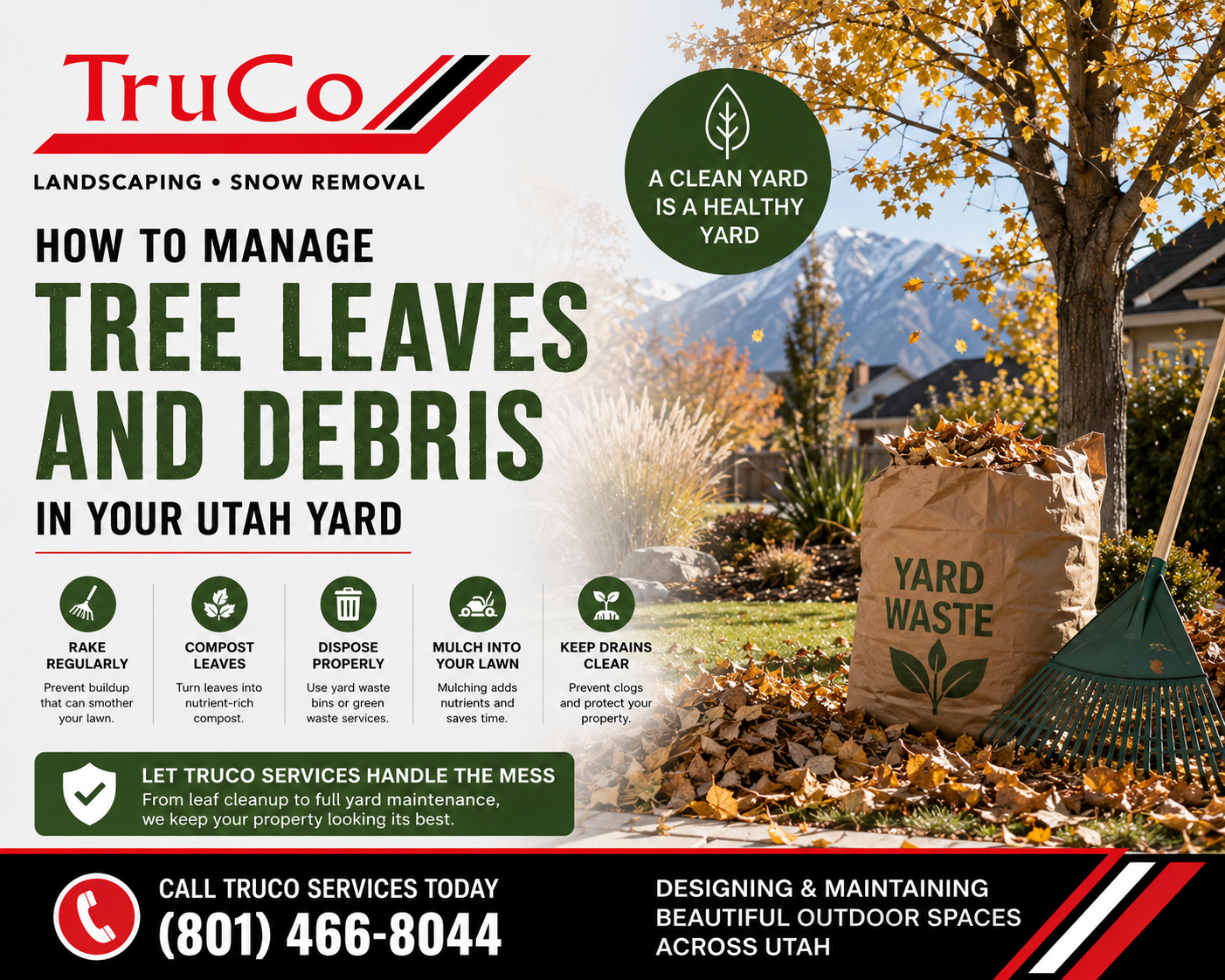
Why Leaf and Debris Management Matters in Utah
Fallen leaves, twigs, branches, and other tree debris are a seasonal reality for Utah homeowners. While they may seem like a nuisance, proper management of tree debris is essential for maintaining a healthy lawn and garden, preventing pest problems, reducing fire risk, and keeping your property looking its best. Utah's urban trees — from the cottonwoods and maples of older neighborhoods to the newly planted ornamentals in developing communities — produce significant amounts of leaf litter each fall. In Utah's dry climate, improperly managed leaf debris can create fire hazards, smother lawns, clog gutters and drainage systems, and provide habitat for pests. This guide covers everything you need to know about managing tree leaves, branches, and other debris in your Utah yard, including disposal options, mulching techniques, seasonal strategies, and sustainable practices that turn yard waste into garden resources.
Leaf Management Strategies for Utah Yards
Several effective strategies exist for managing fallen leaves in Utah. Mulching with a lawn mower is the easiest and most beneficial approach for most yards. Run a mulching mower over fallen leaves to shred them into small pieces. The shredded leaf fragments decompose quickly, returning nutrients to the soil and improving lawn health. Research shows that mulched leaves do not contribute to thatch buildup and actually improve soil organic matter. For best results, mow leaves when they are dry and set the mower deck to a higher setting. Make multiple passes if leaf cover is heavy. You may need to mow leaves 2-4 times during fall as leaves continue to fall. Bagging and composting is another option — collect leaves with a bagger attachment or rake them into piles for composting. Leaves are excellent carbon material for compost piles. Layer them with green material (grass clippings, kitchen scraps) for balanced composting. Shredded leaves compost faster than whole leaves. Leaf collection by your city — many Utah cities offer fall leaf collection programs. Check with your city for pickup schedules and requirements. Leaves are typically collected in paper bags or loose piles at the curb. Do not mix branches, grass, or other debris with leaf piles. Raking leaves into garden beds provides natural mulch and winter habitat for beneficial insects. Leaves break down over winter, improving garden soil. Use a thin layer (2-3 inches) to avoid smothering plants. Avoid using leaves for erosion control in drainage areas — they can clog storm drains and contribute to water pollution.
Branch and Twig Debris Management
Branches and twigs that fall from trees require different management. Smaller twigs (under 1 inch diameter) can often be mulched with a shredder or chipper. Many Utah communities offer seasonal branch collection or have green waste drop-off sites where branches are accepted for mulching. Medium branches (1-4 inches) can be bucked (cut into firewood-length pieces) for firewood if they are from suitable species. Dry, seasoned wood from non-toxic species (oak, maple, ash, fruit trees) makes excellent firewood. Avoid burning branches from black walnut (can damage chimneys) or trees treated with pesticides. Large branches and limbs (over 4 inches) may need professional removal if they are too large for your chipper or local disposal options. Some tree services will chip branches on-site and leave the mulch for your use. Do not place branches in regular trash collection — most Utah municipalities do not accept branches in residential trash. Check with your city about green waste recycling programs. Some Utah cities offer free mulch from recycled tree debris at public works yards. Branch chipping or shredding produces valuable mulch for your landscape. Use fresh wood chip mulch around trees and shrubs (not in vegetable gardens, as fresh chips can temporarily tie up nitrogen). Alternatively, stack branches in a designated brush pile in an out-of-sight corner of your property to create wildlife habitat. Many birds and small mammals use brush piles for shelter.
Composting Tree Debris in Utah's Climate
Composting tree debris in Utah's dry climate requires some adjustments. Building a compost pile — choose a location with partial shade if possible (shade helps retain moisture in Utah's dry climate). A 3x3x3 foot pile is the minimum size for effective composting. Layer leaves (brown/carbon material) with grass clippings, vegetable scraps, or manure (green/nitrogen material). Aim for a ratio of roughly 3 parts brown to 1 part green. Water the pile as you build it — Utah's dry air means compost piles need supplemental water to maintain the moisture needed for decomposition. The pile should feel like a wrung-out sponge. Turn the pile every 2-4 weeks to aerate it and speed decomposition. In Utah's cold winters, composting slows significantly but does not stop — a well-built pile will continue to decompose slowly through winter and speed up in spring. Leaf mold — a separate process from composting — involves simply piling leaves and letting them decompose over 1-2 years. Leaf mold is an excellent soil amendment that improves soil structure and water retention. To make leaf mold, pile leaves in a corner of your yard or in a wire bin, keep them moist, and wait. In Utah's dry climate, actively moistening the leaf pile speeds the process significantly. Use finished compost and leaf mold as mulch around trees and shrubs, soil amendments for garden beds, or top dressing for lawns. These organic materials improve Utah's clay soil structure and water-holding capacity.
Using Leaves as Mulch in Utah Landscapes
Fallen leaves are an excellent, free mulch source for Utah landscapes. Leaf mulch benefits include insulation for plant roots against temperature swings; moisture retention (critical in Utah's dry climate); weed suppression; gradual nutrient release as leaves decompose; and improved soil structure as organic matter is added. Apply leaf mulch in fall after leaves have fallen. Use shredded leaves for best results (whole leaves can mat and prevent water penetration). Apply a 2-3 inch layer around trees, shrubs, and perennial beds. Keep mulch 3-6 inches away from tree trunks and plant stems to prevent rot. Do not apply leaf mulch too thick — a thick layer can smother plants and prevent water from reaching the soil. In vegetable gardens, till leaf mulch into the soil in spring, or remove it and compost it before planting. Leaves from different tree species have different properties: maple leaves break down quickly and add nutrients evenly; oak leaves are more acidic and break down more slowly — great for acid-loving plants; fruit tree leaves break down moderately and add good nutrients; cottonwood and poplar leaves are large and may need shredding for best results. Using leaves as mulch reduces the need for purchased bark or wood chip mulch, saves water through improved moisture retention, and keeps yard waste out of landfills. In Utah, where water conservation is increasingly important, leaf mulching is a sustainable practice that benefits both your landscape and the environment.
Seasonal Debris Management in Utah
Different seasons bring different debris management challenges in Utah. Spring (March-May) — clean up winter debris including fallen branches, broken twigs, and any remaining leaves. Remove debris from garden beds before mulch application. Prune storm-damaged branches. Watch for heavy branch drop from trees stressed by winter conditions. Clear debris from around the base of trees before spring growth begins. Rake leaves that have matted down over winter on lawns — these can smother grass as it greens up. Summer (June-August) — manage storm debris (Utah's summer monsoon storms and microbursts can drop branches). Monitor for branch breakage from heavy fruit or seed loads. Clear debris from gutters and downspouts regularly (pine needles and seeds are common summer debris in Utah). Remove fallen fruit promptly to avoid attracting pests. Fall (September-November) — the peak debris season. Develop a leaf management plan before leaves begin falling in earnest. Mow or rake leaves regularly to prevent them from smothering lawns. Keep leaves out of streets and storm drains (this is required by many Utah cities to prevent water pollution). Stockpile leaves for composting or mulching. Collect and dispose of diseased leaves (from trees with powdery mildew, rust, or leaf spot) separately — do not compost diseased leaves unless your compost pile reaches high enough temperatures to kill pathogens. Prepare for winter by removing branches that could break under snow load. Winter (December-February) — clear debris after storms (snow-damaged branches). Avoid piling snow laden with deicing salts on planting beds. Use this quieter season to plan spring debris management and maintain your composting system.
Disposal Options for Tree Debris in Utah
When you cannot reuse or recycle tree debris, several disposal options are available in Utah. City curbside green waste collection — many Utah cities offer curbside collection of yard waste during the growing season and fall leaf season. Check with your city for schedules, acceptable materials, and container requirements. Some cities require paper leaf bags; others accept loose piles or dedicated green carts. Green waste drop-off sites — most Utah cities and counties operate green waste drop-off facilities where residents can dispose of leaves, branches, and yard waste for free or a nominal fee. These sites typically chip or compost the material. Check with your city or county public works department for locations and hours. Commercial yard waste disposal — private waste companies in Utah offer green waste disposal services for properties not served by city collection. Landfill disposal — tree debris can be disposed of at most Utah landfills, but this should be a last resort. Many landfills charge by weight or volume for yard waste, and burying organic material in landfills produces methane (a potent greenhouse gas). Burning is allowed in some rural Utah areas but is prohibited or restricted in most urban areas along the Wasatch Front due to air quality concerns. Check with your local fire department and air quality board before burning tree debris. In Utah, it is illegal to burn yard waste in many cities, and violation can result in fines. Do not dispose of tree debris in natural areas or open space — this can spread invasive species, introduce pests, and is illegal in most jurisdictions.
Safety Considerations for Debris Management
Safety should be a priority when managing tree debris. Wear appropriate protective equipment — gloves, eye protection, sturdy boots, and long pants when handling branches and operating equipment. Use proper lifting techniques — tree debris can be heavy and awkward. Lift with your legs, not your back, and get help with large or heavy branches. Operate equipment safely — read and follow manufacturer instructions for mowers, chippers, shredders, and chainsaws. Never operate equipment when tired, under the influence of alcohol or medications, or in wet conditions. Keep children and pets away from operating equipment. Be aware of overhead hazards — look up for hanging branches (widow-makers) before working under trees. After storms, trees may have broken branches hung up in the canopy that can fall without warning. If you see hanging branches, call a professional tree service. Watch for underground utilities before digging to install compost bins or bury debris. Call 811 before digging. Use caution on ladders when cleaning gutters or pruning — falls from ladders are a leading cause of landscaping injuries. Consider hiring professionals for large debris removal, high pruning, or work near power lines. The cost of professional services is far less than the cost of emergency room visits. In Utah, where severe weather can create widespread debris, remember that no amount of debris is worth risking your safety.
Frequently Asked Questions
Should I leave leaves on my lawn over winter in Utah? No. A thick layer of leaves left on the lawn over winter can smother grass, encourage snow mold, and delay spring green-up. Either mow leaves into the lawn (mulching) or remove them. A thin scattering of leaves is fine, but anything that covers more than 20% of the grass should be managed.
Can I put tree branches in my regular trash in Utah? Most Utah cities do not accept branches in regular trash collection. Branches must be disposed of through green waste collection, drop-off sites, or chipping. Check with your city for specific disposal options. Illegal disposal can result in fines.
How do I dispose of diseased tree leaves in Utah? Do not compost diseased leaves unless your compost pile reaches high temperatures (130-140°F) consistently. Bag diseased leaves and dispose of them through your city's green waste collection if accepted, or in the trash if no other option is available. Do not leave diseased leaves on the ground near susceptible trees.
What is the best way to deal with pine needles in Utah? Pine needles make excellent mulch, especially for acid-loving plants. They are slow to decompose and create a light, airy mulch layer. Use them around trees, shrubs, and in garden paths. Do not leave thick layers of pine needles on lawns — they can smother grass.
How can I reduce the amount of leaf debris my trees produce? Proper pruning can reduce leaf debris somewhat by thinning the canopy, but the best approach is to choose tree species that produce less debris for your landscape. Male cultivars of some species (like honeylocust 'Skyline') produce no seeds or fruit. However, all trees produce leaves — leaf management is simply part of having trees in your landscape.
Is it okay to burn leaves in my backyard in Utah? In most urban areas along the Wasatch Front, backyard burning is prohibited or severely restricted. Check with your local fire department and the Utah Division of Air Quality before burning any yard waste. Violations can result in significant fines. Composting, mulching, or city collection are better options.